Pomeranians: A Comprehensive Guide
Pomeranians are one of the most beloved dog breeds in the world. Known for their small size, fluffy coat, and energetic nature, these dogs have captured the hearts of many pet owners. In this article, we will explore the characteristics, care requirements, and unique behaviors of Pomeranians. We will also discuss how they balance being adorable companions with their independent spirit. Additionally, we will provide insights on training, health considerations, and tips for potential owners. Finally, we will include examples of famous Pomeranians and historical background to enrich the article.
Characteristics of Pomeranians
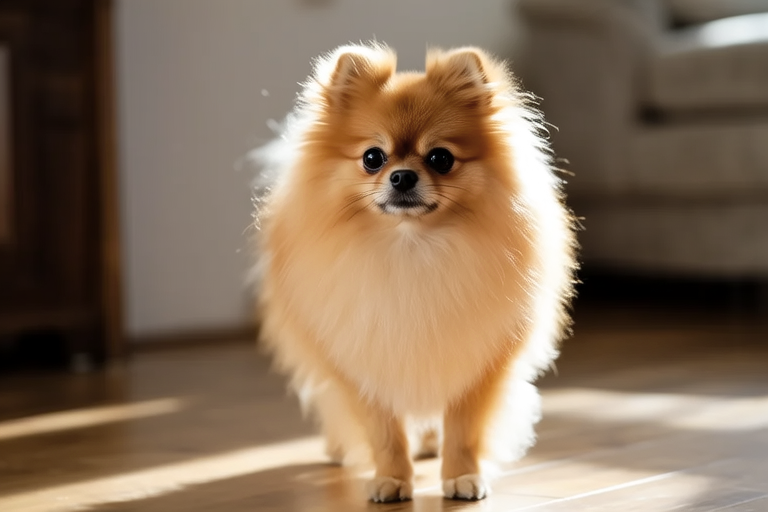
Pomeranians are small dogs that typically weigh between 3 to 7 pounds and stand about 8 to 11 inches tall at the shoulder. They have a double coat, which consists of a soft undercoat and a longer, thicker outer coat. This coat gives them their signature fluffy appearance and requires regular grooming to prevent matting. The breed comes in a variety of colors, including orange, black, cream, brown, and white. Their expressive eyes and alert demeanor make them highly attractive pets.
One of the most striking features of Pomeranians is their tail, which is often carried over the back in a plume-like fashion. Their ears are also erect and pointed, adding to their alert and perky appearance. Despite their small size, Pomeranians have a big personality and are known for their lively and playful nature.
Care Requirements for Pomeranians
Grooming is an essential part of caring for a Pomeranian. Their double coat requires regular brushing to remove loose hair and prevent matting. Daily brushing is recommended, especially during shedding season. Bathing should be done every few weeks, but it’s important not to overdo it as it can strip the coat of its natural oils. It’s also important to trim their nails regularly and clean their ears to prevent infections.
Pomeranians are active dogs that require regular exercise to stay healthy and happy. Daily walks and playtime are necessary to keep them physically fit and mentally stimulated. However, due to their small size, they don’t need excessive amounts of exercise. A few short walks and some indoor playtime should suffice.
Diet is another important aspect of caring for a Pomeranian. These dogs are prone to obesity, so it’s crucial to feed them a balanced diet that meets their nutritional needs. Consult with your veterinarian to determine the appropriate amount and type of food for your Pomeranian.
Unique Behaviors of Pomeranians
Pomeranians are known for their alertness and watchdog abilities. Despite their small size, they are excellent at barking when they sense something unusual. However, this can sometimes lead to excessive barking if not properly managed. Training and socialization are essential to ensure that your Pomeranian doesn’t become overly vocal.
Another unique behavior of Pomeranians is their tendency to be independent. While they are affectionate and enjoy spending time with their owners, they also have a strong sense of self. This independence can make training challenging at times, but it also makes them more adaptable and less likely to become overly dependent on their owners.
Pomeranians are also known for their playful nature. They love to play games and are always up for a good time. However, they can be quite territorial and may not get along well with other animals, especially if they feel threatened. Early socialization is crucial to help your Pomeranian learn to coexist peacefully with other pets.
Training Pomeranians
Training a Pomeranian requires patience and consistency. Positive reinforcement techniques, such as treats and praise, work best with this breed. It’s important to start training early and to establish clear rules and boundaries. Pomeranians are intelligent dogs and can learn a wide range of commands, but they may not always obey them immediately.
One of the most important things to teach your Pomeranian is basic obedience commands, such as sit, stay, come, and down. These commands will help you manage your dog’s behavior and ensure their safety. Crate training can also be useful for housebreaking and providing a safe space for your Pomeranian to retreat to when needed.
It’s important to note that Pomeranians can be stubborn at times, so it’s essential to remain patient and consistent throughout the training process. Avoid using harsh punishment or negative reinforcement, as this can damage the bond between you and your dog and lead to behavioral issues.
Health Considerations for Pomeranians
While Pomeranians are generally healthy dogs, they are prone to certain health conditions. One of the most common health issues in this breed is dental disease. Regular dental checkups and proper dental hygiene are essential to prevent tooth decay and gum disease. Other common health issues include luxating patella (dislocation of the kneecap), hypothyroidism, and tracheal collapse.
Due to their small size, Pomeranians are also susceptible to hypoglycemia (low blood sugar). Symptoms of hypoglycemia include weakness, lethargy, and disorientation. If you suspect that your Pomeranian is experiencing hypoglycemia, it’s important to seek veterinary care immediately.
Vaccinations and regular checkups are also important for maintaining your Pomeranian’s health. Consult with your veterinarian to create a vaccination schedule and to determine the appropriate frequency of checkups based on your dog’s age and overall health.
Tips for Potential Owners
If you’re considering adopting a Pomeranian, there are several things to keep in mind. First, it’s important to choose a reputable breeder who prioritizes the health and wellbeing of their dogs. Look for a breeder who provides health clearances for their breeding stock and who allows you to meet the parents of the puppies.
Second, it’s important to be prepared for the responsibilities of owning a Pomeranian. These dogs require regular grooming, exercise, and attention to stay healthy and happy. They also require training and socialization to ensure that they behave appropriately.
Finally, it’s important to consider whether a Pomeranian is the right breed for your lifestyle. While these dogs are affectionate and playful, they also have a strong independent streak. They may not be the best choice for families with young children or for people who are looking for a lapdog.
Famous Pomeranians and Historical Background
Pomeranians have a rich history that dates back to the 18th century. They were originally bred in the Pomerania region of Germany and were much larger than the modern-day Pomeranian. Over time, the breed was selectively bred to reduce their size, resulting in the smaller, fluffier dogs we see today.
One of the most famous Pomeranians in history was Queen Victoria, who owned several of these dogs and helped popularize the breed in England. Her love for Pomeranians inspired many others to adopt the breed, and they quickly became a favorite among royalty and aristocrats.
Today, Pomeranians continue to be popular pets around the world. They are often featured in movies, TV shows, and advertisements due to their cute and cuddly appearance. Some notable Pomeranians in media include Snoop Dogg’s Pomeranian, “Lil’ Snoopy,” and the Pomeranian in the movie “Beverly Hills Chihuahua.”
Conclusion
Pomeranians are charming and lovable dogs that make wonderful companions for the right owner. Their small size, fluffy coat, and energetic nature make them highly appealing pets, but they also require regular grooming, exercise, and attention to stay healthy and happy. With proper training and socialization, Pomeranians can be well-behaved and obedient dogs. However, it’s important to remember that they have a strong independent streak and may not always obey commands immediately. By understanding the unique characteristics and care requirements of Pomeranians, you can ensure that you and your furry friend have a long and happy life together.
