Siberian Huskies: The Silent Guardians of Winter Adventures
The Siberian Husky is a breed renowned for its striking appearance, robust health, and unwavering loyalty. Originating from the harsh landscapes of Siberia, these dogs were initially bred by the Chukchi people as working dogs, pulling sleds through the unforgiving Arctic terrain. Today, Siberian Huskies are cherished companions and participants in various winter sports, thanks to their unique blend of physical attributes, temperament, and resilience.
A Rich History of Endurance
For centuries, Siberian Huskies have been integral to the lives of indigenous peoples in Siberia. They were used to transport goods, families, and even mail across vast expanses of snow-covered land. The dogs’ endurance and ability to withstand extreme temperatures made them indispensable. Their legacy as working dogs is still celebrated today, particularly in events like the Iditarod Trail Sled Dog Race, which commemorates the famous 1925 serum run to Nome. In this race, teams of Siberian Huskies cover over 1,000 miles of treacherous Alaskan wilderness, demonstrating their exceptional stamina and reliability.
Physical Traits Suited for Cold Weather
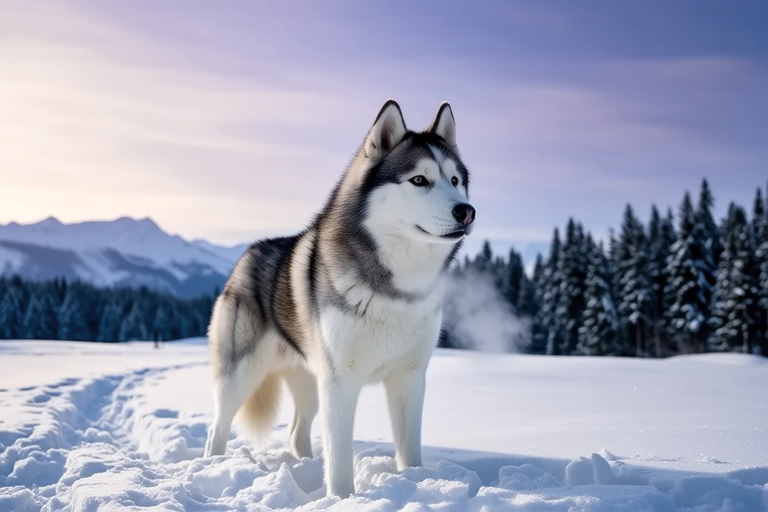
One glance at a Siberian Husky reveals why they are perfectly adapted for life in the snow. Their thick double coat, consisting of a soft undercoat and a coarse outer layer, provides excellent insulation against the cold. This coat also sheds water effectively, keeping the dog dry and warm even after plunging into icy waters. Additionally, their compact bodies and large paws equipped with webbed toes enable efficient movement through deep snow. The breed’s blue or multi-colored eyes add to their distinctive appearance but do not affect their vision in any way.
A Temperament Tailored for Adventure
Siberian Huskies possess a friendly and outgoing nature, making them excellent family pets. They are generally good with children and other animals, though early socialization is important. However, their independent streak can sometimes lead to mischief if not properly trained. Owners must establish themselves as leaders from the start, using positive reinforcement methods to guide their Husky’s behavior. Despite their playful demeanor, Siberian Huskies can be quite reserved around strangers, serving as natural watch dogs without being overly aggressive.
Training Requirements
Due to their intelligence and energy levels, Siberian Huskies require consistent training from an early age. Basic obedience commands such as ‘sit,’ ‘stay,’ and ‘come’ should be taught firmly yet gently. Interactive games and puzzle toys can help channel their high intellect towards constructive activities. It’s crucial to keep training sessions short and engaging, as Huskies may lose interest quickly if bored. Regular walks and playtime outside will satisfy their need for physical activity while reinforcing commands learned during training.
Tips for Owners to Ensure Thriving in Snowy Environments
Owners living in snowy regions must take special care to ensure their Siberian Huskies remain healthy and happy. Providing access to clean drinking water and protecting paws from salt and ice melters is essential. A well-fitted harness rather than a collar should be used when pulling sleds or going for long walks. Regular grooming helps remove excess fur and prevents matting. Indoor heating systems should be kept at moderate temperatures to avoid overheating these naturally insulated dogs.
Stories of Siberian Huskies in Action
Many stories highlight the remarkable abilities of Siberian Huskies. One such tale involves Balto, who led his team on a daring journey through blizzard conditions to deliver life-saving diphtheria antitoxin to Nome in 1925. This heroic feat earned Balto international recognition and cemented the breed’s reputation as reliable partners in times of crisis. More recently, mushers continue to rely on Siberian Huskies for recreational expeditions and competitive racing, where they demonstrate incredible speed and agility.
The Responsibilities of Ownership
Owning a Siberian Husky comes with significant responsibilities. These dogs require substantial daily exercise, preferably involving outdoor activities like hiking, running, or sledding. Mental stimulation is equally important; providing opportunities for problem-solving and learning new tricks keeps them engaged mentally. Without adequate outlets for their energy, Huskies might resort to destructive behaviors indoors. Patience and consistency are key when raising these intelligent yet independent creatures.
Fostering a Strong Bond Between Owner and Dog
To build a strong relationship with your Siberian Husky, spend quality time together engaging in shared activities. Participate in dog sports, go on camping trips, or simply enjoy quiet moments at home. Establishing trust and mutual respect lays the foundation for a lifelong partnership. Remember, every interaction contributes to shaping your Husky’s personality and behavior. By investing effort into understanding and meeting your dog’s needs, you create a loving environment where both parties flourish.
In conclusion, Siberian Huskies are more than just beautiful pets; they are silent guardians ready to embark on winter adventures. Their rich history, physical adaptations, and friendly temperaments make them ideal companions for those seeking thrilling experiences in snowy landscapes. With proper care, training, and attention, owners can ensure their Siberian Huskies lead fulfilling lives full of joy and excitement. Together, you’ll forge lasting memories that will warm your hearts long after the snow melts away.
