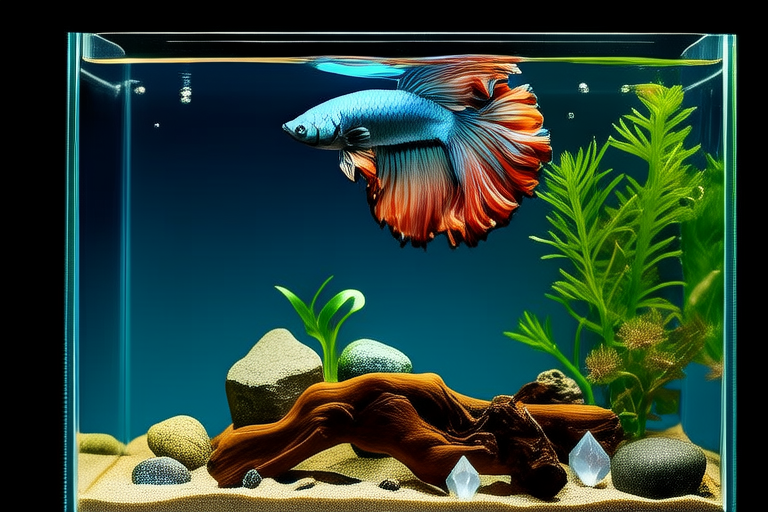
DIY Aquascaping Ideas for Your Stunning Betta Aquarium
Welcome to your ultimate guide on creating a stunning betta aquarium through DIY aquascaping! Whether you’re a beginner or an experienced aquarist, this guide will provide you with all the necessary information to design a beautiful and functional aquatic environment for your betta fish.
Introduction to Basic Aquascaping Principles
Aquascaping is the art of arranging plants, rocks, and driftwood within an aquarium to create a visually appealing and balanced underwater landscape. For bettas, it’s essential to consider their natural environment and behavior when designing the layout. Bettas are territorial and prefer areas where they can hide and feel secure. Therefore, incorporating elements like caves, plants, and decorations that offer hiding spots is crucial.
The key principles of aquascaping include balance, proportion, depth, and perspective. Balance refers to the distribution of elements throughout the aquarium, ensuring no area feels overcrowded or underpopulated. Proportion involves selecting objects that complement each other in size and shape. Depth adds layers to the aquascape, while perspective helps create a sense of distance and space.
List of Essential Materials Needed
- Aquarium: Choose an appropriate-sized tank based on the number of fish and plants you plan to add. A minimum of 5 gallons is recommended for bettas.
- Substrate: Fine gravel or sand suitable for plant growth.
- Water Conditioner: To remove harmful chemicals from tap water.
- Plants: Live or artificial plants depending on your preference and experience level.
- Rocks and Driftwood: Natural decorations that enhance the aesthetic appeal.
- Heater: Maintains optimal water temperature for bettas.
- Filtration System: Keeps the water clean by removing debris and toxins.
- Lighting: Promotes plant growth and enhances the overall appearance of the aquarium.
- Decorations: Additional ornaments such as caves, castles, or other structures providing hiding spots.
Step-by-Step Instructions for Setting Up Different Aquascaping Styles
Iwagumi Style
This minimalist approach focuses on simplicity and harmony, using three stones arranged in a triangular formation as the centerpiece. Here’s how to set up an iwagumi-style aquascape:
- Choose three medium-sized stones with smooth surfaces and similar colors.
- Arrange them in a triangular pattern at the back of the aquarium, leaving space between each stone.
- Add fine gravel or sand around the stones to anchor them securely.
- Select low-growing stem plants like Hemianthus callitrichoides (“dwarf baby tears”) or Ceratopteris thalictroides (“water sprite”). Plant them evenly across the substrate, ensuring they cover the gaps between the stones.
- Incorporate small foreground plants like Glossostigma elatinoides if desired.
- Introduce floating plants such as Lemna minor (“duckweed”) to soften the edges of the layout.
Dutch Style
The Dutch style emphasizes lush greenery and vibrant colors, featuring dense planting arrangements with various heights and textures. Follow these steps to achieve a Dutch-style aquascape:
- Prepare the substrate by adding nutrient-rich soil or a specialized potting mix designed for aquatic plants.
- Plant tall background species like Echinodorus amazonicus or Symphoricarpos albus along the rear wall of the aquarium.
- Fill the midground with medium-sized plants such as Hygrophila difformis or Alternanthera reineckii.
- Place shorter foreground plants such as Glossostigma elatinoides near the front of the tank.
- Incorporate floating plants like Nymphoides indica to add dimension and contrast.
- Enhance the design with rocks and driftwood placed strategically throughout the layout.
Tips for Plant Care and Maintenance
Proper plant care ensures healthy growth and longevity in your betta aquarium. Here are some useful tips:
- Regular Water Changes: Perform partial water changes weekly to maintain water quality and promote plant health.
- Trimming: Remove dead leaves and trim overgrown plants regularly to encourage new growth.
- Feeding: Provide sufficient nutrients through liquid fertilizers specifically formulated for aquatic plants.
- Lighting Duration: Maintain consistent light cycles, typically 8-10 hours per day, mimicking natural daylight conditions.
- Monitoring pH Levels: Regularly check and adjust pH levels if necessary to ensure optimal conditions for both plants and fish.
Advice on Water Parameters
Creating a stable and healthy environment requires attention to specific water parameters:
- Temperature: Betta fish thrive between 76°F and 82°F (24°C – 28°C).
- pH: Aim for slightly acidic to neutral pH levels between 6.5 and 7.5.
- Ammonia/Nitrite: These should always be undetectable; any presence indicates poor filtration or overstocking.
- Nitrate: Keep nitrate levels below 20 ppm through regular water changes.
- Hardness: Soft to moderately hard water is ideal, with a range of 5-15 dGH.
Use test kits to monitor these parameters regularly and make adjustments as needed.
Suggestions for Compatible Tank Mates
While bettas are generally solitary creatures, there are some peaceful species that can coexist harmoniously:
- Rummynose Tetras: Active swimmers that stay near the top layer.
- Betta Bubbles: Small, peaceful companions that enjoy swimming in groups.
- Snails: Assists in keeping algae under control without bothering the betta.
- Shrimp: Peaceful bottom-dwellers that help maintain cleanliness.
It’s important to research each potential tank mate thoroughly before introducing them to ensure compatibility and avoid stress or aggression.
By following the guidelines provided in this DIY aquascaping guide, you’ll be able to create a breathtaking and functional betta aquarium that not only enhances your home decor but also provides a thriving habitat for your beloved fish. Happy aquascaping!
