The Ultimate Guide to Keeping Your Norwegian Pet Healthy and Happy
Welcome to the ultimate guide designed to help you keep your Norwegian pet healthy and happy. Whether you have a Norwegian Forest Cat or a Norwegian Elkhound, this comprehensive resource will cover all aspects of pet care. From diet and exercise to vaccinations, grooming, and mental stimulation, we’ll provide you with everything you need to know to ensure your Norwegian pet thrives.
Ideal Diet for Norwegian Pets
Proper nutrition is crucial for maintaining your pet’s health. Norwegian Forest Cats and Norwegian Elkhounds have unique dietary needs that must be met to prevent obesity, allergies, and other health issues.
- Norwegian Forest Cats: These cats are known for their hearty appetites. They require a high-quality diet rich in protein from animal sources like chicken, fish, and turkey. Avoid fillers and artificial additives.
- Norwegian Elkhounds: As active dogs, they need a balanced diet that includes lean proteins, whole grains, and vegetables. Consult with your veterinarian to determine the appropriate portion sizes based on your dog’s age, weight, and activity level.
Regular Exercise Routines
Both Norwegian Forest Cats and Norwegian Elkhounds benefit from regular physical activity. Exercise helps maintain a healthy weight, strengthens muscles, and improves cardiovascular health.
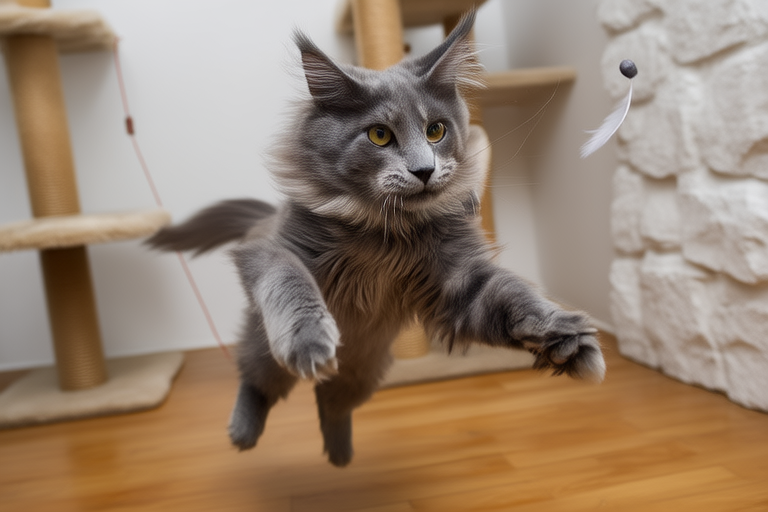
- Norwegian Forest Cats: Encourage your cat to play by providing toys that stimulate hunting instincts, such as feather wands or laser pointers. Climbing trees or shelves also offer excellent exercise.
- Norwegian Elkhounds: Regular walks, hikes, and interactive games are essential. Consider agility courses or fetch sessions to engage both body and mind.
Necessary Vaccinations and Healthcare
Vaccinations and routine check-ups are vital for preventing diseases and ensuring your pet’s overall well-being.
- Norwegian Forest Cats: Core vaccines include rabies, feline distemper (panleukopenia), herpesvirus, and calicivirus. Non-core vaccines may be recommended based on risk factors.
- Norwegian Elkhounds: Common vaccines for dogs include rabies, canine distemper, parvovirus, and leptospirosis. Discuss any additional vaccines with your veterinarian based on lifestyle and geographic location.
Grooming Tips
Grooming is an essential part of pet care, promoting cleanliness, reducing shedding, and preventing skin conditions.
- Norwegian Forest Cats: Their long, thick coats require regular brushing to prevent matting. Use a slicker brush or wide-toothed comb to remove loose fur and debris. Bathe only when necessary, as frequent washing can strip natural oils.
- Norwegian Elkhounds: Their dense double coat requires weekly brushing to remove dead hair and prevent tangles. Pay special attention during seasonal shedding. Regular nail trimming and ear cleaning are also important.
Common Health Issues and Prevention Strategies
Understanding potential health problems allows you to take proactive measures in maintaining your pet’s health.
- Norwegian Forest Cats: Common issues include heart disease, diabetes, and urinary tract infections. Monitor your cat’s weight, appetite, and litter box habits. Provide a low-sodium diet and encourage regular exercise.
- Norwegian Elkhounds: Hip dysplasia, eye disorders, and bloat are prevalent. Maintain a healthy weight, monitor joint health, and avoid overfeeding before exercise. Regular veterinary check-ups can catch issues early.
Mental Stimulation Activities
Engaging your pet mentally is just as important as physical exercise. Mental stimulation helps prevent boredom and behavioral issues.
- Norwegian Forest Cats: Puzzle toys, interactive feeders, and scent games can challenge your cat’s problem-solving skills. Rotate toys regularly to keep interest levels high.
- Norwegian Elkhounds: Training sessions, obedience classes, and puzzle toys provide mental challenges. Teach new commands or tricks to keep your dog engaged.
Suitable Living Environments
A comfortable and safe environment is essential for your pet’s happiness and well-being.
- Norwegian Forest Cats: Provide vertical spaces for climbing and perching. Ensure windows are secure and consider installing cat trees or shelves. A quiet corner for resting is also important.
- Norwegian Elkhounds: A spacious yard with shade and water access is ideal. Indoor kennels or designated areas provide security and comfort. Ensure your home is escape-proof and secure.
Signs of Illness
Recognizing early signs of illness can lead to timely intervention and better outcomes.
- Norwegian Forest Cats: Watch for changes in appetite, litter box habits, grooming behavior, or unusual vocalizations. Note any lethargy, coughing, sneezing, or vomiting.
- Norwegian Elkhounds: Look for signs of lameness, stiffness, excessive panting, or changes in eating or drinking patterns. Monitor for diarrhea, vomiting, or abnormal lumps.
Building Strong Bonds Through Training and Interaction
Spending quality time with your pet strengthens the bond between you and your furry friend.
- Norwegian Forest Cats: Play interactive games that mimic hunting behaviors. Use treats to reward good behavior during training sessions. Grooming and cuddling can also strengthen your relationship.
- Norwegian Elkhounds: Engage in positive reinforcement training methods. Reward desired behaviors with treats and praise. Participate in dog sports or attend obedience classes together.
By following these guidelines, you can ensure your Norwegian pet enjoys a long, healthy, and happy life. Remember, each pet is unique, so tailor your approach based on individual needs and preferences. Regular communication with your veterinarian is key to addressing any concerns or questions that arise throughout your pet’s life.
Happy pet ownership!
