Adorable and Unique: The Complete Guide to Living With a Scottish Fold Cat
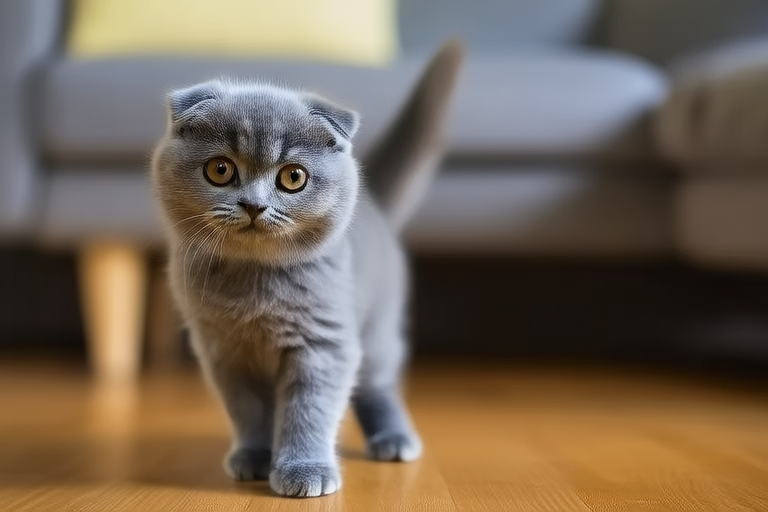
Welcome to the world of Scottish Fold cats, one of the most charming and distinctive feline breeds. Known for their signature folded ears, these cats have a unique appearance that sets them apart from other breeds. Their expressive eyes and plush coats make them irresistible to cat lovers everywhere. But beyond their striking looks, Scottish Folds are known for their affectionate, gentle, and playful personalities. This comprehensive guide will take you through everything you need to know about living with a Scottish Fold cat.
The Origin and History of Scottish Fold Cats
The Scottish Fold breed originated in Scotland in the 1960s. A farmer named William Ross noticed a cat with unusual folded ears in his neighbor’s barn. He bred the cat with a British Shorthair, and the resulting kittens inherited the folded ear gene. These cats were initially called ‘lop-eared’ or ‘lop’ cats but were later renamed Scottish Folds in honor of their country of origin. The breed was introduced to North America in the late 1970s and quickly gained popularity for their unique appearance and friendly nature.
Distinctive Physical Traits and Personalities
Scottish Fold cats are easily recognizable by their folded ears, which give them an owl-like appearance. This trait is caused by a genetic mutation that affects the cartilage in their ears, causing them to fold forward and downward. Not all kittens born to Scottish Fold parents will inherit the folded ear gene; some may have straight ears. Both types are equally loving and sociable. Scottish Folds come in various colors and patterns, making them even more diverse in appearance.
Caring for Your Scottish Fold Cat’s Ears and Overall Health
One of the most important aspects of caring for your Scottish Fold cat is maintaining the health of their ears. The folded ear structure can trap moisture and debris, leading to infections if not properly cared for. Regular cleaning with a soft cloth and gentle wiping can help prevent buildup. Additionally, it’s crucial to monitor your cat for signs of discomfort or irritation around the ears. If you notice any redness, swelling, or discharge, consult a veterinarian immediately.
In addition to ear care, regular veterinary check-ups are essential for overall health maintenance. Scottish Folds are prone to certain health issues, such as polycystic kidney disease (PKD) and cardiomyopathy. Early detection and treatment can significantly improve their quality of life. Keeping your cat at a healthy weight and providing them with a balanced diet can also help prevent obesity-related conditions.
Diet, Grooming, Exercise, and Common Health Issues
A proper diet is vital for the well-being of your Scottish Fold cat. High-quality cat food that meets the nutritional requirements for your cat’s age, size, and activity level is recommended. Consult your veterinarian for specific dietary recommendations. Fresh water should always be available, and feeding times should be consistent to avoid overeating.
Grooming is another essential aspect of cat care. Scottish Folds have short, dense coats that require regular brushing to remove loose hair and prevent matting. Brushing also helps distribute natural oils throughout the coat, keeping it shiny and healthy. Bathing should only be done when necessary, as frequent bathing can strip the coat of its natural oils.
Exercise is equally important for maintaining your cat’s physical and mental health. Interactive play sessions with toys like feather wands or laser pointers can provide both physical activity and mental stimulation. Puzzle feeders can also encourage your cat to work for their food, promoting mental engagement.
Common health issues specific to Scottish Folds include osteochondrodysplasia, a condition affecting bone and cartilage development. This can lead to joint problems, particularly in the tail and limbs. Regular veterinary check-ups and monitoring for signs of discomfort can help manage this condition. Providing a comfortable, padded bed and avoiding jumping from high places can also reduce stress on joints.
Behavior and Temperament
Scottish Folds are known for their gentle and affectionate nature. They enjoy spending time with their human companions and often follow their owners around the house. They are generally good with children and other pets, making them a great choice for families. However, it’s important to introduce them to new environments and people gradually to ensure they feel secure.
These cats are intelligent and curious, often getting into mischief if left alone for too long. Providing them with plenty of toys and activities can help keep them entertained and prevent boredom. Scottish Folds are also known for their vocal communication, using a range of chirps, meows, and trills to express themselves. Pay attention to their body language and vocalizations to understand their needs and preferences.
Training and Bonding Techniques
Training your Scottish Fold cat can be a rewarding experience. Positive reinforcement techniques, such as treats and praise, are effective for teaching basic commands and tricks. Consistency is key, so set aside time each day for training sessions. Clicker training can also be beneficial, as it provides immediate feedback to your cat.
Bonding with your Scottish Fold cat is essential for building a strong relationship. Spend quality time together by playing, grooming, and cuddling. Each cat has its own personality, so get to know your pet’s likes and dislikes. Some cats may prefer quiet time, while others enjoy being the center of attention. Tailor your interactions to suit your cat’s individual needs.
Creating a Safe and Enriching Environment
Providing a safe and enriching environment is crucial for your Scottish Fold cat’s well-being. Secure windows and doors to prevent escapes, and install childproof latches on cabinets containing hazardous substances. Keep electrical cords out of reach and use cord covers to protect your cat from chewing. Install window perches or cat trees to provide opportunities for climbing and exploring.
Toys and puzzles can help stimulate your cat’s mind and provide entertainment. Rotate toys regularly to maintain interest, and consider interactive toys that encourage problem-solving. Creating a scratching post area can help satisfy your cat’s natural urge to scratch while protecting furniture. Provide a variety of scratching surfaces, such as sisal posts and cardboard scratchers, to accommodate different preferences.
The Long-Term Commitment and Joys of Owning a Scottish Fold Cat
Owning a Scottish Fold cat is a long-term commitment that requires dedication and care. However, the rewards are immeasurable. These cats bring joy and companionship to their human families, offering unconditional love and affection. Their unique appearance and gentle nature make them a beloved member of the household. By providing proper care, attention, and enrichment, you can ensure a happy and healthy life for your Scottish Fold cat.
In conclusion, Scottish Fold cats are adorable and unique creatures that bring joy and companionship to their human families. By understanding their origins, physical traits, and care requirements, you can provide the best possible life for your Scottish Fold cat. With proper care, attention, and enrichment, you can ensure a happy and healthy life for your furry friend. Embrace the journey of living with a Scottish Fold cat, and prepare to be rewarded with endless love and companionship.
