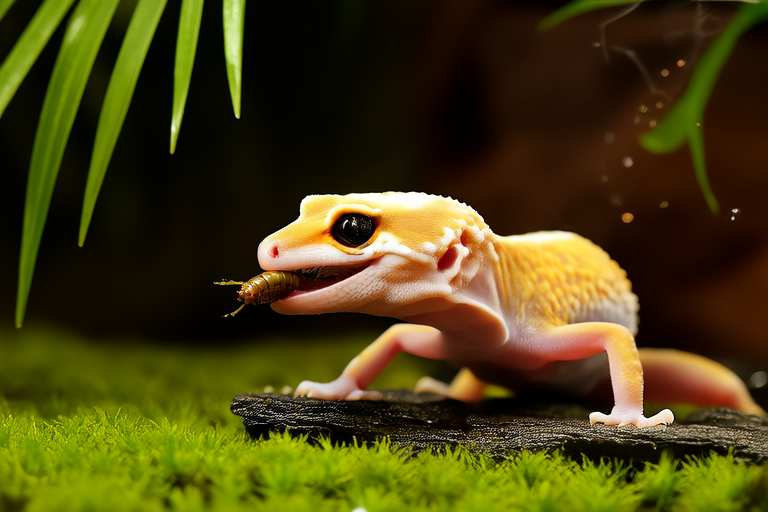
Leopard Gecko Diet Secrets: Foods That Will Keep Your Pet Thriving
Welcome to the fascinating world of leopard geckos! These small, nocturnal lizards have become increasingly popular pets due to their docile nature and relatively easy care requirements. Leopard geckos are native to the arid regions of Afghanistan, Pakistan, and parts of India. As reptiles, their dietary needs are quite specific, and understanding these needs is crucial to ensuring your pet’s health and longevity.
The Importance of a Balanced Diet
A balanced diet is essential for maintaining the overall health of your leopard gecko. Proper nutrition supports growth, boosts immunity, and aids in preventing diseases. A well-fed gecko will exhibit vibrant colors, healthy skin, and a robust appetite. Conversely, poor nutrition can lead to stunted growth, metabolic bone disease (MBD), and other health issues.
Key Food Items for Leopard Geckos
Crickets
Crickets are one of the most common and nutritious foods for leopard geckos. They provide a good balance of protein and fat, which is vital for energy and muscle development. It’s important to feed crickets a nutritious diet before offering them to your gecko. This process, known as ‘gut loading,’ involves feeding the crickets high-quality vegetables, fruits, and commercial gut-loading products to increase their nutritional value.
Frequency: Feed juveniles daily, and adults every other day. The number of crickets should be equivalent to the size of your gecko’s head.
Mealworms
Mealworms are another staple in a leopard gecko’s diet. They are rich in fat and calories, making them excellent for weight gain or maintenance. However, due to their hard exoskeleton, mealworms should be fed sparingly and only as part of a varied diet. Over-reliance on mealworms can lead to impaction, a potentially life-threatening condition.
Frequency: Offer no more than two mealworms per feeding session, once or twice a week.
Waxworms
Waxworms are often considered a treat due to their high-fat content. While they are delicious for geckos, they should be used sparingly, as excessive consumption can lead to obesity and related health issues.
Frequency: Offer one or two waxworms as a treat, no more than once a week.
Gut Loading Techniques
Gut loading is a critical practice that enhances the nutritional value of feeder insects. By feeding insects a nutritious diet, you ensure that your gecko receives additional vitamins and minerals. Common gut-loading items include carrots, sweet potatoes, collard greens, and commercial gut-loading products. It’s recommended to gut load feeder insects for at least 24 hours before feeding them to your gecko.
Supplements
In addition to a varied diet, leopard geckos require certain supplements to thrive. Calcium and vitamin D3 are particularly important, as they support bone health and prevent MBD. Multivitamin supplements can also be beneficial, especially if your gecko’s diet lacks variety.
Frequency: Dust calcium powder on insects three times a week for juveniles and twice a week for adults. Vitamin D3 should be provided once a week, either through supplements or under UVB lighting.
Portion Control and Risks of Overfeeding
Overfeeding can lead to obesity and other health problems in leopard geckos. It’s important to monitor your gecko’s weight and adjust the portion sizes accordingly. Signs of overfeeding include lethargy, difficulty moving, and a bloated appearance. To avoid overfeeding, offer only the amount your gecko can consume within ten minutes during each feeding session.
Monitoring Your Gecko’s Weight
Regularly check your gecko’s weight to ensure it is thriving. Use a digital scale to weigh your gecko weekly. A healthy weight range varies depending on age and species, but generally, adult leopard geckos should weigh between 35 and 65 grams. If your gecko is underweight or overweight, adjust its diet and feeding schedule accordingly.
Conclusion
Providing a balanced and nutritious diet is key to keeping your leopard gecko healthy and happy. By incorporating a variety of insects, practicing gut loading, and using supplements appropriately, you can ensure your gecko receives all the nutrients it needs. Remember to monitor your gecko’s weight and adjust the diet as necessary. With proper care and attention, your leopard gecko will live a long and prosperous life.
