Discover the Unique Traits of Norway’s Favorite Companion Animals
Norway, known for its stunning landscapes, rich culture, and strong connection to nature, is home to a variety of beloved companion animals. From the rugged terrain of the fjords to the serene beauty of the forests, Norwegian pets have adapted to the country’s unique environment, making them not only cherished companions but also symbols of the national spirit. This article delves into the most popular pets in Norway, highlighting their unique traits, behaviors, and the special bond they share with their human counterparts.
The Most Popular Pets in Norway
Dogs: Faithful Companions and Adaptable Hunters
In Norway, dogs are among the most popular pets, with breeds like the Norwegian Elkhound, Buhund, and Lundehund being particularly favored. These breeds have been integral to Norwegian life for centuries, playing crucial roles in hunting, herding, and guarding. The Norwegian Elkhound, for instance, is a versatile breed that has been used for hunting large game such as moose and elk. Its dense, water-repellent coat and keen sense of smell make it well-suited to the harsh Nordic winters.
The Buhund, on the other hand, is known for its intelligence and agility. Originally bred for herding sheep, this breed is highly trainable and loyal. It thrives in both urban and rural settings, making it a favorite among families. The Lundehund, with its unique physical characteristics, including extra toes and flexible joints, was originally used for retrieving puffins from cliffs. Today, it remains a rare and cherished breed, embodying the resilience and adaptability of Norwegian culture.
These dogs not only serve practical purposes but also provide emotional support and companionship. Their loyalty and protective nature make them ideal family pets. Training these dogs requires patience and consistency, as they can be independent and stubborn at times. However, with proper guidance, they become devoted and loving companions. Regular exercise and mental stimulation are essential to keep them happy and healthy, especially in the long, dark winter months.
Cats: Graceful and Independent Companions
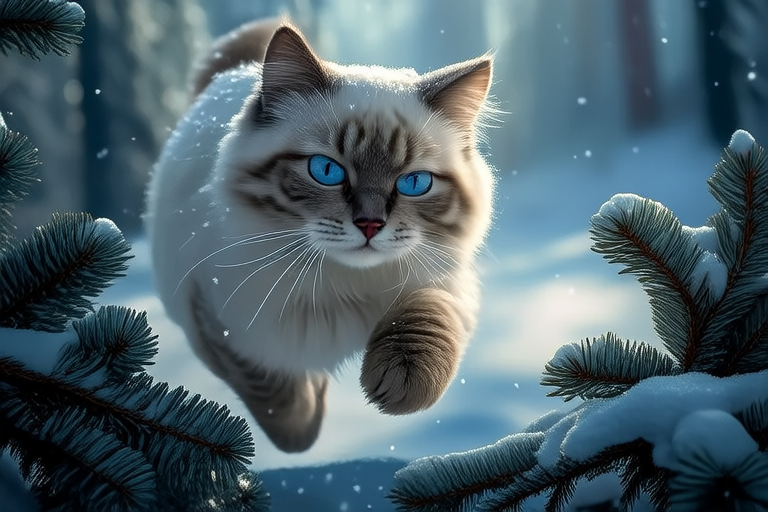
Cats are also widely loved in Norway, with many households choosing feline companions for their grace, independence, and low-maintenance nature. Norwegian Forest Cats, with their thick, luxurious coats and muscular builds, are particularly well-adapted to the Norwegian climate. These cats are known for their ability to survive in harsh conditions, often climbing trees and hunting small prey.
Unlike dogs, cats are more independent and require less direct interaction, making them ideal for individuals who lead busy lives or live in smaller spaces. However, they still form strong bonds with their owners and can be affectionate and playful when given attention. Norwegian Forest Cats are known for their curiosity and love of exploring, which makes them excellent indoor companions. They are generally easy to care for, but regular grooming is necessary to maintain their coat’s health and prevent matting.
Birds: Colorful and Melodious Companions
Birds, particularly parrots and canaries, are also popular pets in Norway. Parrots, with their vibrant plumage and ability to mimic human speech, are cherished for their intelligence and social nature. Canaries, on the other hand, are appreciated for their melodious singing and bright yellow feathers. Both types of birds require specialized care, including a balanced diet, clean living environments, and plenty of mental stimulation to keep them happy and healthy.
Parrots, in particular, need a lot of attention and interaction to thrive. They are highly intelligent and can develop complex behaviors if not properly stimulated. Providing toys, puzzles, and opportunities for socialization is essential for their well-being. Canaries, while less demanding, still require a suitable cage, fresh food, and clean water. Both types of birds can bring joy and entertainment to their owners, offering a unique form of companionship that is different from dogs and cats.
Adaptations to Norway’s Climate and Environment
The cold, snowy winters and short summers of Norway have shaped the physical and behavioral traits of its pet population. Many Norwegian dogs and cats have thick, insulating coats that help them withstand the harsh weather. Their paws are also well-adapted for walking on snow and ice, with thick pads and webbed toes that provide traction and warmth.
Some breeds, like the Norwegian Elkhound and Buhund, have evolved to be highly energetic and active, which helps them stay warm during long periods of outdoor activity. Their hunting instincts remain strong, even in domesticated settings, and they often enjoy playing fetch or chasing after toys. This natural drive for movement keeps them fit and healthy, which is especially important in a country where physical activity is often limited during the winter months.
Cats, too, have adapted to the Norwegian environment. Norwegian Forest Cats, for example, are known for their ability to climb trees and hunt small prey, which helps them survive in the wild. Even in domestic settings, they retain these instincts and often enjoy climbing and exploring. Their thick coats protect them from the cold, and their agile bodies allow them to move easily through snow and ice.
Special Care and Training Considerations
Proper care and training are essential for ensuring that Norwegian pets remain healthy and happy. Dogs, in particular, require regular exercise and mental stimulation to prevent boredom and destructive behavior. Daily walks, playtime, and obedience training are recommended to keep them engaged and well-behaved. It is also important to provide them with a balanced diet and regular veterinary check-ups to ensure their overall health.
Cats, while more independent, still benefit from regular grooming and interaction. Providing them with scratching posts, toys, and perches can help them stay entertained and mentally stimulated. It is also important to keep their litter boxes clean and provide them with a comfortable sleeping area. Birds, whether parrots or canaries, require specialized care, including a balanced diet, clean living environments, and plenty of mental stimulation.
Training pets in Norway also involves teaching them to adapt to the country’s unique environment. For example, dogs may need to learn how to walk on slippery surfaces or navigate through deep snow. Cats may need to be taught how to use a litter box indoors during the winter months. Proper training and socialization can help pets adjust to these challenges and thrive in their surroundings.
The Joy and Companionship of Norwegian Pets
The companionship of Norwegian pets brings immense joy and comfort to their owners. Whether it’s the loyalty and protection of a dog, the grace and independence of a cat, or the colorful melodies of a bird, each pet offers a unique form of companionship that enriches the lives of those around them. Pets provide emotional support, companionship, and a sense of purpose, helping to alleviate stress and loneliness.
For many Norwegians, pets are not just animals but members of the family. They are cherished for their unique traits, behaviors, and the special bond they share with their human counterparts. Whether it’s a faithful dog by your side during a long hike or a purring cat curled up beside you on the couch, Norwegian pets offer a source of happiness and companionship that is hard to match.
In conclusion, Norway’s favorite companion animals are a testament to the country’s rich cultural heritage and strong connection to nature. From the rugged terrain of the fjords to the serene beauty of the forests, these pets have adapted to the Norwegian environment, making them not only cherished companions but also symbols of the national spirit. By understanding their unique traits, behaviors, and needs, we can ensure that they continue to thrive and bring joy to their owners for generations to come.
