Secrets to Raising Vibrant Koi: Feeding, Breeding, and Beyond
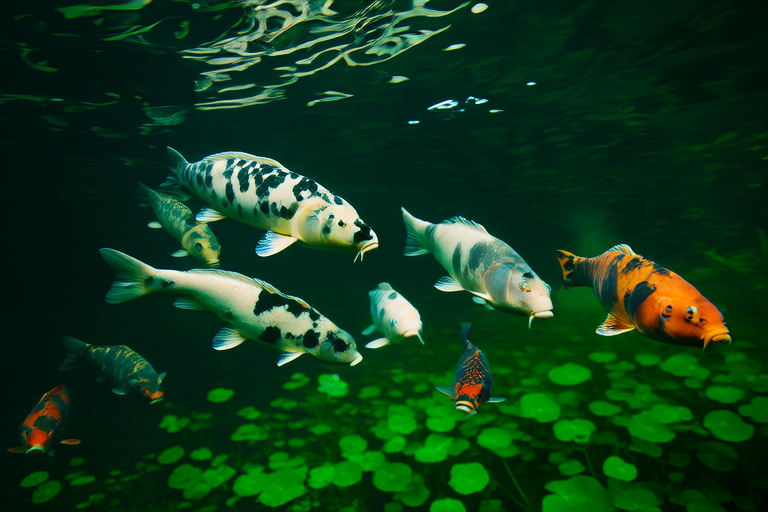
Raising vibrant koi fish is a rewarding hobby that combines the joy of observing beautiful creatures with the challenge of nurturing them to their full potential. Koi, or Cyprinus carpio, are ornamental varieties of domesticated common carp. Their vibrant colors, graceful movements, and serene presence make them a favorite among pond owners. However, maintaining these magnificent fish requires careful attention to their diet, habitat, and overall health.
Essential Feeding Practices
The foundation of any successful koi pond is a well-fed and healthy population. Proper nutrition is key to ensuring your koi grow large, vibrant, and disease-resistant. The type of food you provide and how often you feed them can significantly impact their health and appearance.
- Type of Food: Koi require a balanced diet that includes proteins, fats, carbohydrates, vitamins, and minerals. Commercial koi foods are available in various forms such as pellets, flakes, and sticks. These foods are specifically formulated to meet the nutritional needs of koi at different life stages.
- Nutritional Needs: Young koi need more protein to support their rapid growth, while adult koi require a higher proportion of carbohydrates and fats for energy. It’s also important to provide occasional treats like fresh vegetables, fruits, and live or frozen foods to supplement their diet.
- Frequency: Feed young koi several times a day, but reduce this to once or twice daily as they mature. Always feed only what they can consume within five minutes to prevent overfeeding and water pollution.
Optimal Breeding Techniques
Breeding koi can be a fascinating process, offering the opportunity to produce new generations of these beautiful fish. Understanding the breeding cycle and providing the right environment are crucial for successful reproduction.
- Optimal Conditions: Koi typically spawn in the spring when water temperatures reach between 64°F and 72°F (18°C to 22°C). A breeding pond should have ample vegetation for the eggs to attach to and plenty of oxygen. Ensure the pond is free from predators and chemicals harmful to the eggs.
- Mating Behaviors: Male koi will chase females around the pond, nudging them to release eggs. The female will then lay thousands of eggs which are fertilized by the males. After spawning, separate the parents to prevent them from eating the eggs.
- Caring for Fry: Once the eggs hatch, the fry will remain attached to the pond bottom for a few days before becoming free-swimming. Provide them with small, finely ground commercial foods or infusoria. Keep the water clean and well-oxygenated to ensure their survival.
Maintaining Water Quality
Water quality is paramount for the health and longevity of your koi. Poor water conditions can lead to stress, disease, and even death. Regular maintenance and monitoring are essential to keeping your pond in top shape.
- Water Filtration: Invest in a good filtration system to remove waste and debris, and maintain appropriate levels of dissolved oxygen. Biological filters help break down harmful substances into less toxic compounds.
- Water Testing: Test your pond water regularly for pH, ammonia, nitrite, and nitrate levels. Ideal pH ranges between 7.2 and 8.0, while ammonia and nitrite should be undetectable, and nitrate levels should be kept below 50 ppm.
- Water Changes: Perform partial water changes every two to four weeks to dilute pollutants and replenish essential minerals. Use dechlorinated water to avoid harming your koi.
Suitable Pond Environments
A well-designed pond provides a safe and stimulating environment for your koi. Consider the size, depth, and features of your pond to create an ideal home for your fish.
- Pond Size: Aim for a minimum pond volume of 1,000 gallons (3,785 liters) per koi. Larger ponds allow for more space and better water quality.
- Depth: Ponds should be deep enough to provide thermal stratification, protecting koi from extreme temperature fluctuations. A depth of at least 3 feet (91 cm) is recommended.
- Features: Incorporate plants, rocks, and other structures to mimic a natural habitat. Plants provide shade, oxygen, and hiding places, while rocks offer surfaces for algae growth, which can serve as a natural food source.
Common Health Issues
Despite your best efforts, koi may still encounter health problems. Early detection and prompt treatment are vital for recovery.
- Fungal Infections: Commonly caused by poor water quality, fungal infections appear as white, cotton-like growths on the fish. Treat with antifungal medications and improve water conditions.
- Parasitic Infestations: Parasites like anchor worms and flukes can cause irritation and skin damage. Quarantine affected fish and treat with appropriate medications.
- Bacterial Diseases: Symptoms include redness, ulcers, and fin rot. Maintain optimal water quality and consult a veterinarian for specific treatments.
Tips for Long-Term Care and Enhancing Colors
To ensure your koi live long, healthy lives and display their vibrant colors, follow these additional tips:
- Dietary Supplements: Incorporate color-enhancing foods rich in carotenoids, which contribute to the brilliant hues of koi. Foods containing spirulina or krill oil can enhance the vibrancy of their scales.
- Stress Management: Minimize stress by providing a stable environment, avoiding overcrowding, and handling fish gently. Stress can weaken the immune system and make koi more susceptible to diseases.
- Regular Check-Ups: Regularly inspect your koi for signs of illness, abnormal behavior, or physical changes. Early intervention can prevent minor issues from escalating into major problems.
