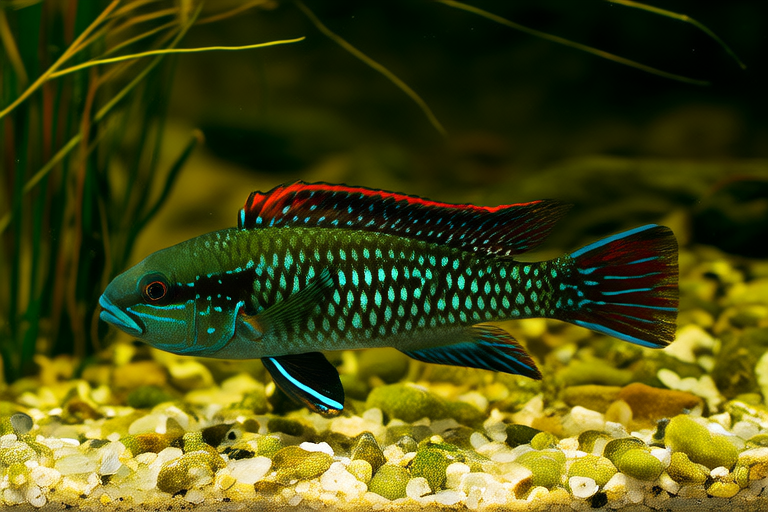
Rajah Cichlid: The Ultimate Guide for First-Time Fish Owners
Welcome to your comprehensive guide on Rajah Cichlids! Whether you’re a seasoned aquarist or just starting out, this guide will provide you with all the essential information you need to care for these vibrant and engaging fish. Let’s dive right in!
Introduction to Rajah Cichlids
The Rajah Cichlid (Apistogramma regani) is a small but strikingly beautiful cichlid native to South America. Known for their vibrant colors and intricate patterns, they are a favorite among aquarium enthusiasts. These fish are relatively peaceful compared to other cichlids, making them suitable for community tanks when paired with similarly-sized, non-aggressive species.
Ideal Tank Setup
Tank Size
For a single Rajah Cichlid, a 10-gallon tank is sufficient, but for a pair or a small group, a 20-gallon tank is recommended. Larger tanks allow more space for swimming and exploration, which is important for the well-being of these active fish.
Equipment
- Filter: A good filter that provides both mechanical and biological filtration is crucial. This helps maintain clean water by removing debris and processing harmful ammonia and nitrites.
- Heater: Rajah Cichlids thrive in warm waters, so a heater that maintains the temperature between 78°F and 82°F is necessary.
- Air Pump: An air pump ensures proper oxygenation of the water, which is vital for the fish’s respiratory health.
- Lighting: Adequate lighting can help enhance the colors of your fish and promote healthy plant growth if you choose to have live plants in your tank.
Water Parameters
Maintaining the correct water conditions is key to ensuring the health and longevity of your Rajah Cichlids. Here are some critical parameters:
- Temperature: Keep the water between 78°F and 82°F.
- pH Level: Aim for a pH level between 6.0 and 7.0, slightly acidic.
- Ammonia and Nitrite Levels: Both should be kept at 0 ppm. High levels can be toxic to your fish.
- Nitrate Levels: Maintain nitrate levels below 40 ppm. Regular water changes will help keep these levels in check.
Diet and Feeding Guidelines
Rajah Cichlids are omnivorous, meaning they eat both plant matter and small animals. In the wild, they feed on insects, larvae, and algae. To replicate this diet in captivity, offer a varied menu that includes high-quality flake food, pellets, frozen or freeze-dried bloodworms, brine shrimp, and occasional vegetable-based foods like spirulina flakes.
Feed your Rajah Cichlids twice daily, offering only as much food as they can consume within a few minutes. Overfeeding can lead to poor water quality and health issues.
Common Behaviors and How to Interpret Them
Rajah Cichlids exhibit various behaviors that can give you insight into their mood and needs. Here’s a quick guide:
- Hiding: If your fish spends most of its time hiding, it might feel stressed or threatened. Ensure the tank has plenty of hiding spots and that there are no aggressive tank mates.
- Breeding Behavior: Male Rajah Cichlids may become more territorial and display vibrant colors when they are ready to breed. Females may also show interest in creating a nest.
- Swimming Patterns: Active swimming usually indicates a healthy fish. Lethargy could be a sign of illness or stress.
Breeding Information
Rajah Cichlids can breed in captivity, but successful breeding requires specific conditions. The male and female must be well-fed and healthy. Provide a spacious tank with plenty of hiding spots and soft substrate for the female to lay her eggs. The male will guard the eggs and newly hatched fry until they are capable of fending for themselves.
Tips for Maintaining Water Quality
Regular maintenance is essential to keep your tank clean and your fish healthy. Perform partial water changes weekly, replacing about 20% of the tank water. Clean the filter regularly and monitor water parameters closely to ensure they remain stable.
Potential Diseases and Preventive Measures
Like any fish, Rajah Cichlids can fall ill due to poor water quality or stress. Common diseases include ich, fin rot, and bacterial infections. To prevent these issues:
- Keep the tank clean and maintain optimal water conditions.
- Quarantine new fish before introducing them to the main tank.
- Observe your fish regularly for signs of illness and act promptly if you notice anything unusual.
Advice for Integrating New Fish into an Existing Tank Community
Introducing new fish can be stressful for both the newcomers and the existing residents. Follow these steps to ensure a smooth transition:
- Quarantine new fish for at least two weeks to monitor their health.
- Gradually acclimate the new fish to the tank temperature and water chemistry.
- Choose compatible tank mates that are similar in size and temperament.
By following these guidelines, you’ll create a thriving environment for your Rajah Cichlids and enjoy watching them grow and flourish in your home aquarium.
