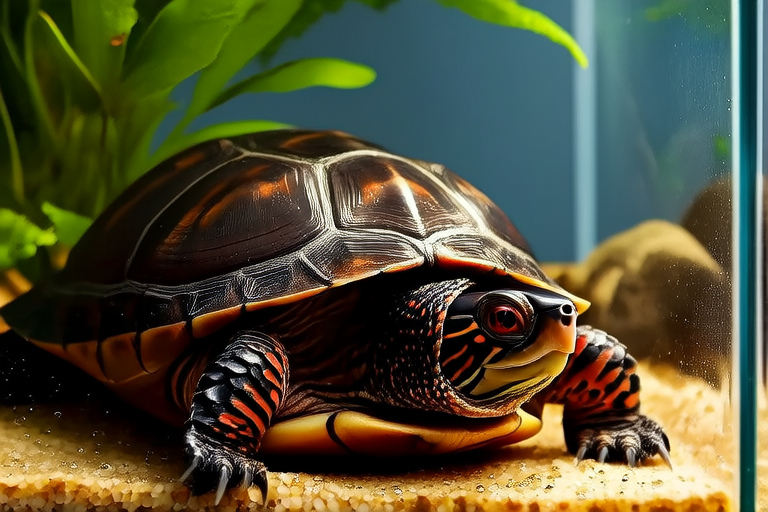
Red-eared Slider Care: Common Mistakes New Owners Should Avoid
Introduction
The red-eared slider (Trachemys scripta elegans) is one of the most popular turtle species kept as pets worldwide. Their vibrant appearance, combined with their relatively low maintenance requirements, makes them appealing to many. However, like any other pet, they require specific care to thrive. Proper care is essential for their health and longevity. This article aims to guide new owners through some common pitfalls and provide practical advice to ensure your red-eared slider lives a long and happy life.
Common Mistake 1: Inadequate Habitat Size
One of the most common mistakes made by new owners is providing an insufficiently sized habitat. Red-eared sliders are semi-aquatic turtles that need ample space both in water and on land. A tank that’s too small can lead to stress, poor growth, and even health issues. The rule of thumb is to provide at least 10 gallons of water per inch of the turtle’s shell length. Additionally, ensure there’s enough dry land for basking, which should be large enough for the turtle to fully extend its limbs and stretch out its neck.
Why It’s Problematic: Insufficient space limits movement, leading to obesity and muscle weakness. Moreover, cramped conditions increase the risk of bacterial infections due to poor water quality and overcrowding.
Correct Practices: Invest in a larger tank or enclosure from the start. If you’re unsure about the size, always err on the side of bigger rather than smaller. Regular cleaning and water changes are also crucial to maintain optimal living conditions.
Common Mistake 2: Incorrect Diet
Feeding your red-eared slider the wrong diet can cause nutritional deficiencies and health problems. Many new owners feed their turtles solely on commercial pellets, which lack the variety necessary for a balanced diet. While pellets are convenient, they should only form part of the diet.
Why It’s Problematic: An unbalanced diet can lead to metabolic bone disease, shell deformities, and other health issues. Overfeeding commercial foods can also result in obesity.
Correct Practices: Offer a varied diet consisting of commercial pellets, fresh vegetables (like romaine lettuce, kale, and green beans), and occasional protein sources such as insects, earthworms, or cooked lean meats. Ensure that the diet contains adequate amounts of calcium and vitamin D3 to support strong bones and shell development.
Common Mistake 3: Insufficient UVB Lighting
UVB light is crucial for red-eared sliders as it helps them synthesize vitamin D3, which is essential for calcium absorption. Without proper UVB exposure, turtles can develop metabolic bone disease, leading to weakened bones and shells.
Why It’s Problematic: Lack of UVB light prevents the synthesis of vitamin D3, causing calcium deficiency and subsequent health issues. This can severely impact the turtle’s ability to move and grow properly.
Correct Practices: Provide UVB lighting specifically designed for reptiles, ensuring it covers the entire basking area. Replace the bulbs every six months, even if they still appear functional, as UV output diminishes over time. Position the light so that the turtle can bask within 12 inches of it for approximately 8-12 hours daily.
Common Mistake 4: Handling Too Frequently
Red-eared sliders are not social animals and do not enjoy being handled as much as dogs or cats might. Frequent handling can cause stress and disrupt their natural behavior patterns.
Why It’s Problematic: Stress can weaken the turtle’s immune system, making it more susceptible to diseases. Excessive handling can also lead to physical injuries, especially if the turtle attempts to bite or scratch in self-defense.
Correct Practices: Limit handling to necessary tasks like feeding and health checks. Always handle your turtle gently and support its body properly to avoid injury. Respect their need for privacy and allow them to explore and rest undisturbed.
Common Mistake 5: Temperature Management Errors
Maintaining the correct temperature range is vital for red-eared sliders’ metabolism and overall health. Water temperatures should ideally be between 75°F and 80°F (24°C to 27°C), while basking areas should reach around 90°F to 95°F (32°C to 35°C).
Why It’s Problematic: Incorrect temperatures can slow down digestion, impair immune function, and hinder growth. Cold temperatures can lead to hibernation-like states where the turtle stops eating and becomes lethargic.
Correct Practices: Use aquarium heaters to maintain water temperature and a heat lamp or ceramic heater for basking areas. Install a reliable thermometer to monitor these temperatures accurately. Ensure that the temperature gradient allows the turtle to choose its preferred spot.
Maintaining a Healthy Environment
To keep your red-eared slider healthy, regularly clean its habitat, change the water, and maintain proper hygiene. Monitor its behavior and health closely, seeking veterinary assistance when necessary. Providing a stimulating environment with hiding spots, floating logs, and plants can enhance your turtle’s well-being.
Long-Term Commitment
Owning a red-eared slider requires a significant long-term commitment. These turtles can live up to 40 years, so consider this before bringing one home. Be prepared for the financial and time investment involved in providing the best care possible.
In conclusion, while red-eared sliders may seem easy to care for initially, they require careful attention to detail to ensure their well-being. By avoiding these common mistakes and following the provided guidelines, you can create a healthy and enjoyable environment for your pet turtle. Remember, responsible ownership means dedicating yourself to their care throughout their long lifespan.
