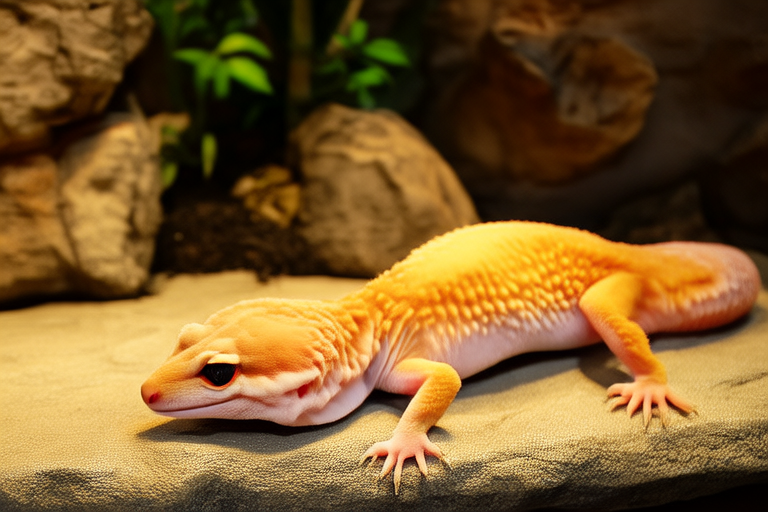
Top Secrets for Keeping Your Leopard Gecko Happy and Healthy at Home
Welcome to the world of leopard geckos! These fascinating creatures are increasingly popular among reptile enthusiasts for their docile nature and relatively low maintenance requirements. However, keeping a leopard gecko happy and healthy requires more than just providing food and shelter. This guide will walk you through essential tips on habitat setup, temperature control, diet, hydration, handling techniques, regular health checks, and enrichment activities to ensure your gecko thrives in its home environment.
Understanding Leopard Gecko Behavior and Needs
Before diving into specific care instructions, it’s crucial to understand what makes a leopard gecko tick. Leopard geckos are nocturnal, meaning they’re most active during the night. They prefer a quiet, secure environment where they can feel safe and comfortable. As solitary animals, they don’t require companionship from other geckos but may benefit from gentle interaction with their human caretakers.
Leopard geckos are known for their unique behaviors, such as tail-waving when threatened or excited. Understanding these behaviors helps you interpret your gecko’s moods and respond appropriately. For example, if your gecko waves its tail at you, it might be feeling stressed or curious about your presence.
Habitat Setup: Creating the Perfect Environment
The first step in ensuring your leopard gecko’s happiness is setting up an ideal habitat. A glass tank with a secure lid is recommended, as it provides a safe space while allowing proper ventilation. The enclosure should be large enough to accommodate your gecko comfortably; aim for at least a 10-gallon tank for one adult gecko.
Substrate choice is critical. Avoid using sand or small particles that could cause impaction if ingested. Instead, opt for reptile carpet, paper towels, or specially designed gecko-safe substrates like coconut fiber bedding. These options are safer and easier to clean.
Incorporate hiding spots and climbing areas to mimic natural environments. Use caves, cork bark, or artificial plants to create cozy retreats where your gecko can rest and hide. Climbing structures provide mental stimulation and exercise opportunities.
Temperature Control: Maintaining Optimal Conditions
Proper temperature regulation is vital for maintaining your gecko’s health. Leopard geckos thrive in a temperature gradient ranging from 78°F (26°C) on the cooler side to 90°F (32°C) on the warmer side. This allows them to regulate their body temperature by moving between different zones within the enclosure.
To achieve this gradient, place a heat mat or under-tank heater on one side of the tank. Position a thermometer at both ends to monitor temperatures accurately. It’s also wise to invest in a thermostat to maintain consistent warmth without risking overheating.
Adequate lighting is equally important. While leopard geckos don’t require UVB light, providing a low-level red bulb can help simulate day-night cycles and make nighttime observations easier. Ensure that all heating and lighting elements are securely mounted to prevent burns or fire hazards.
Appropriate Diet: Feeding for Growth and Health
Leopard geckos are insectivores, meaning their diet consists primarily of insects. Crickets, mealworms, dubia roaches, and waxworms are common choices. However, variety is key to ensuring balanced nutrition. Feed your gecko a mix of these insects, supplemented with calcium and vitamin D3 powders to support bone health and overall vitality.
Frequency of feeding depends on age and size. Juvenile geckos need daily feedings, whereas adults typically eat every two to three days. Offer as many insects as your gecko can consume within 10-15 minutes, removing any uneaten prey afterward to prevent stress or injury.
It’s essential to gut-load feeder insects before offering them to your gecko. Gut-loading involves feeding the insects nutritious foods rich in vitamins and minerals, which then pass on to your gecko when consumed. This practice enhances the nutritional value of each meal and promotes better health outcomes.
Hydration Methods: Ensuring Proper Water Intake
Leopard geckos obtain most of their water from the moisture in their food. However, providing access to fresh drinking water is still important. Place a shallow dish filled with clean water in the enclosure, ensuring it’s easily accessible but not too deep for accidental drowning.
Some geckos may enjoy misting sessions, especially during shedding periods. Mist the enclosure lightly once or twice a week to increase humidity levels temporarily. This helps maintain optimal conditions for shedding and general well-being.
Monitor your gecko’s hydration status regularly. Signs of dehydration include sunken eyes, wrinkled skin, or lethargy. If you notice any of these symptoms, consult a veterinarian specializing in exotic pets immediately.
Handling Techniques: Building Trust and Bonding
While leopard geckos are generally calm and tolerant, they still need time to adjust to handling. Start by introducing yourself gently by placing your hand in the enclosure without attempting to touch the gecko. Over time, your gecko will become accustomed to your presence.
When ready to handle, pick up your gecko carefully by supporting its body with both hands. Avoid grabbing or squeezing, as this can cause stress or injury. Hold your gecko close to the ground to prevent falls and always supervise interactions closely.
Building trust takes patience and consistency. Regular, gentle handling sessions can strengthen the bond between you and your gecko. Remember that every gecko has its own personality and comfort level, so respect boundaries and stop handling if your gecko shows signs of distress.
Regular Health Checks: Monitoring for Early Signs of Illness
Scheduling routine veterinary check-ups is crucial for maintaining your gecko’s health. An experienced reptile veterinarian can perform thorough examinations, screen for common diseases, and provide preventive care recommendations.
Between visits, keep an eye out for changes in behavior, appetite, or appearance. Common signs of illness include loss of appetite, lethargy, swollen joints, or unusual discharge. Promptly addressing any concerns ensures timely treatment and improves recovery chances.
At-home monitoring includes weekly weigh-ins and visual inspections. Keep a log of your gecko’s weight to track growth patterns and detect potential issues early. Regularly examine your gecko’s skin, eyes, and mouth for abnormalities. Familiarizing yourself with normal characteristics makes it easier to spot deviations from the norm.
Enrichment Activities: Providing Mental Stimulation
Just like humans, leopard geckos benefit from mental stimulation. Enrichment activities keep your gecko engaged and prevent boredom, promoting overall well-being. Rotate toys and decorations periodically to maintain interest.
Puzzle feeders are excellent tools for encouraging problem-solving skills. These devices challenge your gecko to extract insects, simulating hunting behaviors and enhancing cognitive function. Other enrichments include digging boxes filled with substrate or treat-dispensing balls.
Environmental manipulation also stimulates curiosity. Try rearranging items within the enclosure occasionally or introduce new scents to pique interest. Always supervise enrichment activities and remove any potentially harmful objects.
Conclusion: A Happy and Healthy Gecko Starts with You
By following these guidelines, you’ll create an environment where your leopard gecko can flourish. Remember that understanding your gecko’s behavior and needs is fundamental to providing excellent care. With dedication and attention, you’ll build a strong bond based on mutual respect and trust.
Your role as a responsible owner extends beyond physical needs; emotional and psychological well-being are equally important. By incorporating thoughtful practices into your routine, you ensure that your leopard gecko leads a fulfilling life. Enjoy this rewarding journey together!
