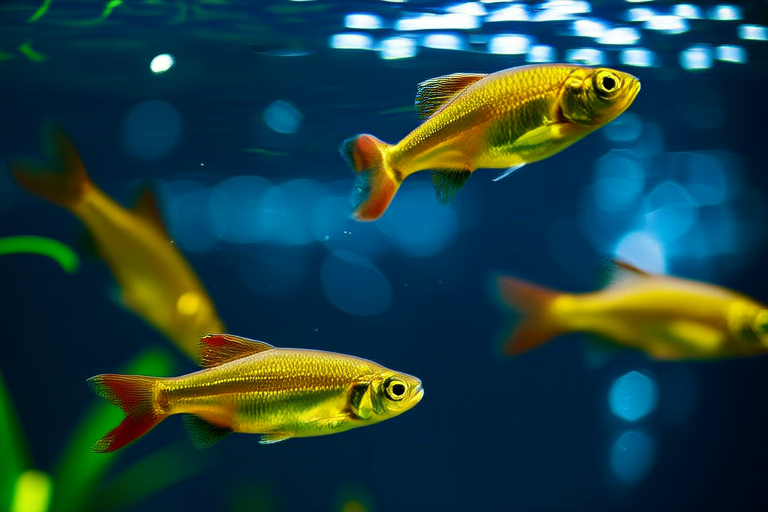
Golden Swimmers: The Ultimate Guide to Goldfish Care
Introduction
Welcome to your comprehensive guide on how to keep your goldfish healthy and happy! This article will cover everything from understanding your goldfish’s unique anatomy and behavior to setting up their ideal living environment. Whether you’re a first-time fish owner or an experienced aquarist, this guide aims to provide practical advice and insights to ensure your goldfish thrive.
Understanding Goldfish Anatomy and Behavior
Goldfish, scientifically known as Carassius auratus, have fascinating anatomical features that make them unique among freshwater fish. They possess a swim bladder, a gas-filled sac that helps with buoyancy control, which is crucial for maintaining their position in the water. Goldfish also have a lateral line, a sensory organ that detects changes in water pressure and movement, aiding in navigation and predator detection.
In terms of behavior, goldfish are social creatures that often interact with each other. They can recognize their owners and may come to the surface when they see you approaching. Goldfish are also curious and enjoy exploring their surroundings. Providing toys or plants in the tank can stimulate their natural behaviors and keep them engaged.
Suitable Tank Setup
Setting up the right tank is crucial for the health of your goldfish. A minimum tank size of 20 gallons is recommended for a single goldfish, and an additional 10 gallons per additional fish is necessary. The tank should be equipped with a secure lid to prevent accidental escapes.
Substrate, such as gravel or sand, provides a natural look and can help anchor live plants. However, it is important to choose a substrate that is too large for your goldfish to ingest accidentally. Decorations like rocks, caves, and plants can create hiding spots and enhance the aesthetic appeal of the tank.
Filtration Systems
A good filtration system is vital for maintaining water quality and removing harmful substances. Filters should be chosen based on the size of the tank and the number of fish. Biological filters support beneficial bacteria that break down waste products, while mechanical filters trap debris, and chemical filters absorb toxins.
Regular cleaning of the filter media is necessary to maintain its efficiency. Over-cleaning or using harsh chemicals can disrupt the beneficial bacterial colonies, so follow the manufacturer’s guidelines carefully.
Water Quality Maintenance
Maintaining proper water quality is key to keeping your goldfish healthy. Regular water changes are essential; aim for about 10-20% of the tank volume weekly. Test kits should be used to monitor parameters such as pH, ammonia, nitrite, and nitrate levels. Ideal conditions for goldfish include a pH between 6.5 and 8.0, and ammonia and nitrite levels should always be zero.
Adequate aeration ensures sufficient oxygen supply in the water. This can be achieved through air stones or by using powerheads that create water circulation.
Temperature Control
Goldfish are coldwater fish and prefer temperatures between 68°F and 74°F (20°C and 23°C). Maintaining a stable temperature is important as sudden changes can stress the fish. Avoid placing the tank near direct sunlight or heat sources to prevent temperature fluctuations.
Diet and Nutrition
A balanced diet is crucial for your goldfish’s health. High-quality flake or pellet foods are suitable for daily feeding. Supplement their diet with occasional treats like freeze-dried bloodworms, brine shrimp, or vegetables such as zucchini and peas. Feed your goldfish only what they can consume within two minutes to avoid overfeeding, which leads to poor water quality.
Common Health Issues
Despite your best efforts, goldfish can still encounter health problems. Common issues include fin rot, caused by poor water quality, and ich, a parasitic infection that appears as white spots on the fish. Regular observation and prompt action can help manage these issues effectively.
If you notice any signs of illness, isolate the affected fish in a hospital tank and consult with a veterinarian specializing in aquatic animals for appropriate treatment.
Tips for Creating an Enriching Environment
To create an enriching environment, consider adding live plants, which provide hiding spots and oxygen. Floating plants can also reduce light intensity and help your goldfish feel more secure. Incorporating interactive toys, like floating balls or tunnels, can encourage exploration and play.
Ensure there are no sharp edges or small parts that could harm your fish. Regularly rearrange decorations to stimulate curiosity and prevent boredom.
Conclusion
Caring for goldfish is a rewarding experience, but it requires commitment and knowledge. By understanding their anatomy and behavior, setting up the right tank, maintaining water quality, controlling temperature, providing a balanced diet, and addressing health issues promptly, you can ensure your goldfish lead long, healthy lives. Remember, responsible ownership includes regular care routines and a genuine love for these delightful creatures.
