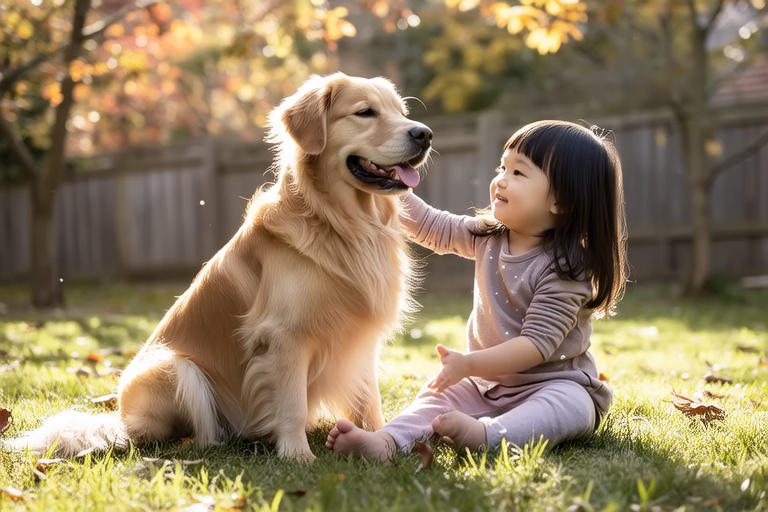
Golden Retrievers and Kids: Perfect Companions for Family Life
Golden Retrievers are often considered one of the best dog breeds for families with children. Their gentle nature, loyalty, and adaptability make them ideal companions for children of all ages. In this article, we will explore the compatibility between Golden Retrievers and children, highlighting their unique qualities and the benefits of having a Golden Retriever in a family setting. We will also provide tips on training, socialization, and ensuring a safe environment for both pets and kids.
The Gentle Nature of Golden Retrievers
Golden Retrievers are known for their friendly and gentle demeanor, which makes them excellent companions for children. They are patient, tolerant, and rarely show aggression, even when provoked. This temperament is especially important when it comes to interacting with young children who may be clumsy or unintentionally rough. Golden Retrievers have a natural ability to understand and respond to the needs of children, making them perfect playmates and protectors.
Loyalty and Adaptability
In addition to their gentle nature, Golden Retrievers are highly loyal and adaptable dogs. They form strong bonds with their human family members and are always eager to please. This loyalty extends to children as well, and Golden Retrievers often become devoted companions to the younger members of the household. Their adaptability allows them to thrive in a variety of environments, whether it’s a bustling city apartment or a spacious suburban home. They are also capable of adapting to changes in routine, making them a great choice for families with busy schedules.
Training and Socialization
While Golden Retrievers are generally easy to train, it is still important to provide them with proper training and socialization from an early age. Training helps establish clear boundaries and reinforces positive behaviors, while socialization ensures that your dog is comfortable around other people and animals. For families with children, it is especially important to focus on basic obedience commands such as “sit,” “stay,” and “come.” These commands can help prevent accidents and ensure that your dog behaves appropriately around children.
Socialization is also crucial for helping your Golden Retriever adjust to the presence of children. Expose your puppy to different children at an early age so that they can learn to tolerate and enjoy their company. This can include visits to friends’ homes with children, trips to the park where children are present, and supervised playdates with other dogs. By providing your Golden Retriever with positive experiences around children, you can help ensure that they remain calm and friendly in their presence.
Ensuring a Safe Environment
While Golden Retrievers are generally safe around children, it is still important to take steps to ensure a safe environment for both pets and kids. This includes teaching children how to interact with the dog properly, such as avoiding pulling on the dog’s ears or tail and being gentle when petting. It is also important to supervise interactions between children and dogs, especially if the dog is unfamiliar with the child or if the child is very young.
In addition to teaching children how to interact with the dog, it is also important to create a safe living space for both pets and kids. This may include installing baby gates to keep the dog out of certain areas of the house, securing toxic substances and small objects that could be swallowed, and providing plenty of chew toys to prevent destructive behavior. By taking these precautions, you can help ensure that your Golden Retriever and children coexist safely and happily.
Common Activities They Enjoy Together
Golden Retrievers and children share many interests, making them natural playmates. Both love outdoor activities such as playing fetch, going for walks, and exploring new places. Playing fetch is particularly popular with Golden Retrievers, as they have a natural instinct to retrieve objects. This game is not only fun but also provides exercise and mental stimulation for both the dog and the child.
Going for walks is another activity that both Golden Retrievers and children enjoy. Walking provides an opportunity for both parties to get some fresh air and exercise, while also allowing for bonding time. You can also take advantage of this time to teach your child about responsible pet ownership by discussing topics such as proper leash handling and picking up after your dog.
Exploring new places is another activity that both Golden Retrievers and children enjoy. Whether it’s a trip to the beach, a hike in the mountains, or a visit to a local park, there are endless opportunities for adventure and discovery. These outings provide an opportunity for both the dog and the child to experience new sights, sounds, and smells, while also building lasting memories.
The Benefits of Having a Golden Retriever in a Family Setting
Having a Golden Retriever in a family setting offers numerous benefits, including companionship, protection, and emotional support. Golden Retrievers are known for their affectionate nature and are always ready to offer comfort and companionship to their human family members. This can be especially beneficial for children who may feel lonely or scared at times. The presence of a Golden Retriever can provide a sense of security and reassurance, helping children feel more confident and secure.
Golden Retrievers are also protective of their family members, which can provide an added layer of safety for children. While they are not typically aggressive, they will alert their owners to any potential threats or dangers, such as strangers approaching the home or loud noises. This protective instinct can help children feel safer in their environment.
Finally, having a Golden Retriever in a family setting can provide emotional support to both children and adults. Dogs are known for their ability to reduce stress and anxiety, and the companionship of a Golden Retriever can be especially comforting during difficult times. For children, the bond with their dog can provide a sense of stability and security, helping them cope with challenges such as moving to a new home or starting school.
The Responsibilities of Owning a Dog
Owning a dog, especially a large breed like a Golden Retriever, comes with significant responsibilities. These responsibilities include providing proper care, training, and socialization, as well as ensuring the safety and well-being of both the dog and the children. It is important to teach children about the responsibilities of owning a dog, such as feeding, grooming, and exercising the animal. This can help children develop a sense of responsibility and commitment, which are valuable life skills.
Owning a dog can also teach children about the importance of empathy and compassion. By caring for a living creature, children can learn to understand and appreciate the needs and feelings of others. This can help foster a sense of empathy and compassion that extends beyond the dog to other people and animals.
Fostering a Loving Relationship Between Golden Retrievers and Children
To foster a loving relationship between Golden Retrievers and children, it is important to encourage positive interactions and provide plenty of opportunities for bonding. This may include playing games, going on walks, or simply spending quality time together. It is also important to teach children how to interact with the dog properly, such as avoiding rough play or pulling on the dog’s ears or tail. By providing positive experiences and teaching proper etiquette, you can help ensure that the relationship between the dog and child remains strong and loving.
It is also important to set boundaries and establish clear rules for interactions between the dog and child. For example, you may want to teach your child not to approach the dog while it is eating or sleeping, as this can lead to accidental bites or injuries. By setting these boundaries and enforcing them consistently, you can help ensure that both the dog and child feel safe and respected.
Finally, it is important to provide plenty of opportunities for bonding and interaction between the dog and child. This may include regular playtime, training sessions, or simply spending quiet time together. By investing time and effort into building a strong relationship, you can help ensure that your Golden Retriever and child form a deep and lasting bond.
