Exploring the Intricate Behaviors and Lesser-Known Aspects of Koi Fish
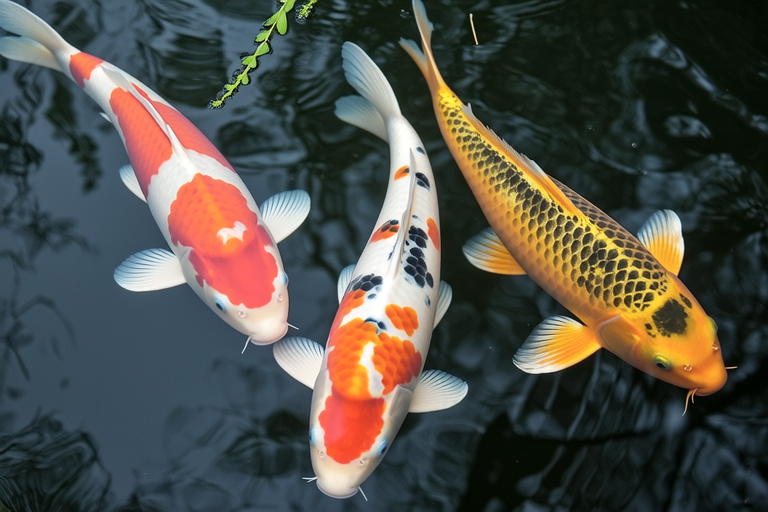
Koi fish, known for their vibrant colors and graceful movements, have captivated human imagination for centuries. Beyond their aesthetic appeal, these fascinating creatures exhibit complex behaviors and possess unique characteristics that make them intriguing subjects for study. This article delves into the social structures, communication methods, seasonal activities, feeding habits, and environmental interactions of koi fish. Additionally, it explores the rich history and symbolism associated with these fish, their intelligence and memory capabilities, and offers tips for observers to better understand and connect with koi in home ponds or gardens.
Social Structures and Communication Methods
Koi fish live in a structured hierarchy within their pond environments. Larger, more dominant koi often lead smaller, less assertive individuals. These leaders establish territories and dictate feeding patterns. Interestingly, koi can recognize and remember individual humans, responding differently based on familiarity. They communicate through body language, such as fin flicks and tail wags, which can convey messages about mood, health, or territorial boundaries. Observing these subtle cues helps in understanding koi’s social dynamics.
Seasonal Activities
As seasons change, so do the activities of koi fish. During spring, they become more active, swimming closer to the surface and engaging in playful behavior. Summer brings increased feeding activity, especially early morning and late evening when temperatures are cooler. In autumn, koi prepare for winter by eating more to build fat reserves. Winter sees reduced activity due to lower water temperatures, though some species remain active year-round. Understanding these seasonal patterns aids in providing appropriate care.
Feeding Habits
Koi are omnivorous, consuming a variety of foods including insects, plants, and small aquatic organisms. Their diet varies depending on availability and season. Commercial pellets designed specifically for koi provide balanced nutrition but should be supplemented with fresh vegetables like zucchini, peas, and lettuce. Feeding koi twice daily is recommended, adjusting portion sizes according to temperature and activity levels. Overfeeding can lead to poor water quality and health issues, so moderation is key.
Interaction with Environment
Koi fish are highly adaptable and can thrive in various pond settings. They interact closely with their surroundings, using plants for shelter and shade. The presence of rocks and other structures provides hiding spots and adds complexity to the pond ecosystem. Koi also benefit from well-placed water features that promote circulation and oxygenation. Maintaining clean, oxygen-rich water is crucial for their health and longevity.
History and Symbolism
The history of koi fish dates back thousands of years, with origins tracing to ancient China. They were later introduced to Japan where they became symbols of strength, courage, and perseverance. In Japanese culture, koi ponds are often found in gardens and public spaces, serving as tranquil retreats. The Nishikigoi, or Japanese ornamental carp, gained popularity during the 18th century when selective breeding began to enhance their coloration and patterns. Today, koi continue to hold significant cultural value worldwide.
Intelligence and Memory Capabilities
Contrary to popular belief, koi fish possess remarkable intelligence and memory. Studies show they can distinguish between different shapes and colors, indicating an ability to learn and remember. Koi also demonstrate problem-solving skills, such as locating hidden food sources or navigating mazes. Their long-term memory allows them to recall specific events and locations over extended periods. Recognizing this intelligence fosters a deeper connection between humans and koi.
Tips for Observers
To better understand and connect with koi in home ponds or gardens:
- Observe Regularly: Spend time watching your koi to familiarize yourself with their behaviors and routines. Note any changes in behavior or appearance.
- Create Interactive Spaces: Incorporate floating platforms or feeders that encourage interaction. This promotes trust and strengthens bonds between you and your koi.
- Engage Senses: Use visual and auditory stimuli, like gentle music or colorful toys, to engage koi. Positive experiences enhance their overall well-being.
- Provide Optimal Care: Maintain clean, well-oxygenated water and offer a balanced diet. Healthy conditions contribute to vibrant, active koi.
In conclusion, koi fish are more than just beautiful additions to ponds and gardens; they are intelligent, social creatures with rich histories and symbolic meanings. By understanding their behaviors, needs, and preferences, one can foster meaningful connections and ensure the well-being of these captivating aquatic animals. Whether you’re a novice enthusiast or seasoned expert, there’s always more to discover about the world of koi fish.
