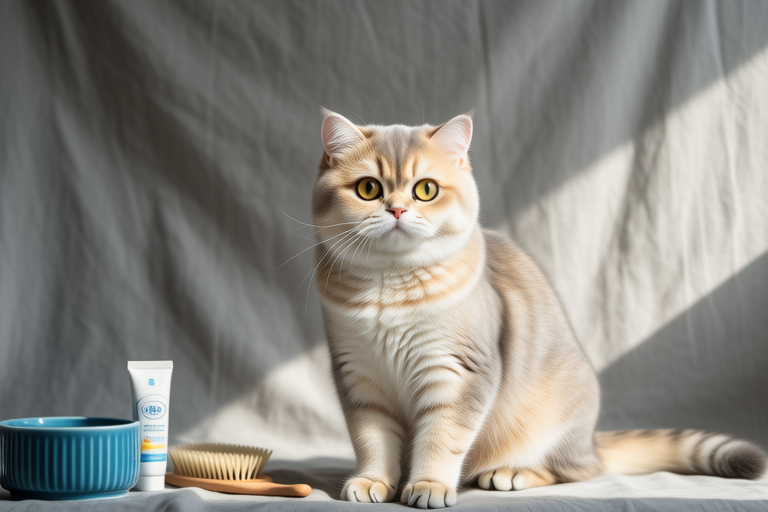
Golden British Shorthair Care Guide: Essential Tips for New Owners
Breed Overview
The Golden British Shorthair is a popular and beloved cat breed known for its plush, dense coat and calm demeanor. Originating from Britain, this breed has been selectively bred for centuries to produce a robust, healthy, and friendly companion. The Golden variety, with its rich golden coat, stands out among other color variations. These cats are known for their affectionate nature and adaptability, making them ideal for families or individuals looking for a loving pet.
Dietary Needs
Proper nutrition is crucial for maintaining the health of your Golden British Shorthair. Their diet should consist of high-quality protein sources like chicken, fish, and lamb. Ensure that the food is balanced with essential vitamins and minerals, including taurine, which is vital for their heart and vision health. Avoid feeding them foods that are harmful to cats, such as chocolate, onions, and garlic. It’s important to provide fresh water at all times. Consult with a veterinarian to determine the appropriate portion sizes based on your cat’s age, weight, and activity level.
Grooming Tips
The Golden British Shorthair’s luxurious coat requires regular grooming to keep it healthy and free from mats. Brush your cat at least twice a week to remove loose hair and prevent hairballs. Use a soft-bristled brush or a rubber grooming mitt. During shedding seasons, increase the frequency to daily brushing. Bathing is generally not necessary unless the cat gets excessively dirty. When bathing, use a mild, pH-balanced shampoo specifically formulated for cats. Trim their nails every few weeks to avoid overgrowth, and check their ears weekly for signs of infection or wax buildup. Clean any debris gently with a cotton ball and a vet-approved ear cleaner.
Exercise Requirements
While the Golden British Shorthair is relatively low-maintenance in terms of physical activity, they still need regular playtime to stay fit and mentally stimulated. Interactive toys, such as feather wands or laser pointers, can engage their hunting instincts. Provide climbing structures or scratching posts to allow them to stretch and sharpen their claws. Encourage gentle play sessions each day to help maintain muscle tone and cardiovascular health. Additionally, mental stimulation through puzzle feeders or training exercises can prevent boredom and promote positive behavior.
Health Concerns
Like all breeds, the Golden British Shorthair is prone to certain health issues. Regular veterinary check-ups are essential for early detection and management of potential problems. Common health concerns include dental disease, obesity, and hereditary conditions such as hypertrophic cardiomyopathy (HCM). HCM is a heart condition that can be managed but not cured, so genetic testing may be recommended for breeding purposes. Maintaining a healthy weight through proper diet and exercise is crucial, as obesity can exacerbate joint issues and reduce lifespan. Keep an eye out for any changes in behavior, appetite, or mobility, and consult your veterinarian if you notice anything unusual.
Socialization Advice
Early socialization is key to ensuring your Golden British Shorthair becomes a well-adjusted and confident cat. Expose them to various environments, people, and other animals from a young age. Positive interactions with different stimuli will help them feel comfortable in new situations. Encourage gentle handling and introduce them gradually to household routines, such as vacuum cleaners or doorbells. Consistent exposure to these experiences can prevent fear-based behaviors later in life. Additionally, consider enrolling your cat in kitten classes or community events where they can meet other pets and humans under controlled conditions.
Common Behavioral Traits
Golden British Shorthairs are known for their calm and affectionate personalities. They enjoy companionship and often form strong bonds with their human families. While they are independent, they also appreciate interaction and playtime. Some common behaviors include seeking attention by following their owners around or sitting beside them while they work or relax. They may also display territorial tendencies, marking their space with scent glands located near their paws and cheeks. Understanding and respecting these natural behaviors can help you create a harmonious living environment for both you and your cat.
In conclusion, owning a Golden British Shorthair is a rewarding experience filled with love and companionship. By providing proper care, attention, and enrichment, you can ensure your cat leads a happy and healthy life. Remember to consult with professionals when needed and always prioritize your pet’s well-being. With the right guidance, you’ll be able to enjoy many years of joyful companionship with your Golden British Shorthair.
