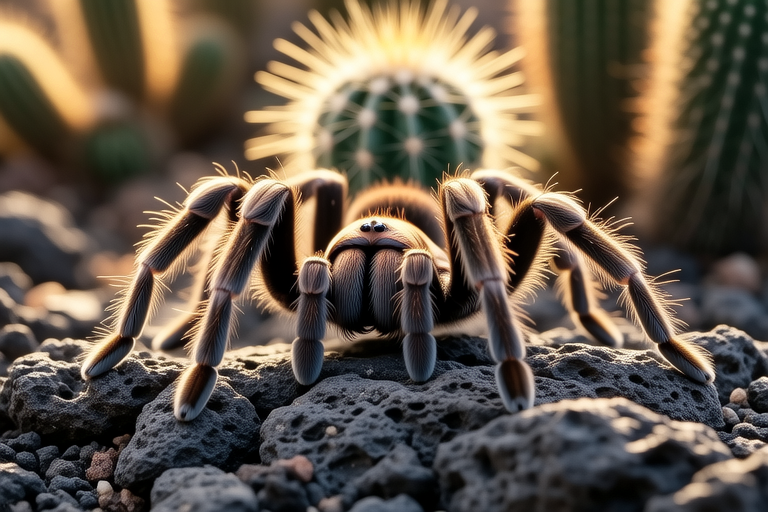
The Ultimate Chilean Rose Tarantula Photo Diary: From Hatchling to Adult
Welcome to an exciting journey through the life stages of the Chilean Rose Tarantula (Grammostola rosea), one of the most popular pet tarantulas due to their docile nature and beautiful pinkish hue. This comprehensive guide will walk you through the stages of their development, from hatchlings to adults, offering insights into their care, behavior, and photography.
Stage 1: Hatching – The Beginning of a New Life
The journey begins with the hatching of the eggs. A female Chilean Rose Tarantula can lay up to 500 eggs, which she carefully guards in her burrow. After about six weeks, the tiny spiderlings emerge, each no bigger than a grain of rice. At this stage, they are incredibly delicate and require specialized care.
Physical Characteristics: Spiderlings have a pale brown coloration that gradually turns pink as they mature. Their eight legs are disproportionately long compared to their body size, giving them a comical appearance.
Care Requirements: Spiderlings need small, secure enclosures with high humidity and temperatures between 78-82°F. They feed on pinhead crickets or fruit flies, requiring daily feeding.
Behavioral Developments: These tiny creatures are quite active, often seen exploring their surroundings. They exhibit defensive behaviors, such as rearing up, when threatened.
Challenges and Successes: Successfully raising spiderlings requires patience and attention to detail. Many owners experience success when they provide a stable environment and consistent feeding schedule.
Photography Tips: Use macro lenses to capture the intricate details of the spiderlings’ tiny bodies and eyes. Natural lighting can enhance the clarity of your photos.
Stage 2: Juvenile – Growth and Exploration
As the spiderlings grow, they enter the juvenile stage. This period lasts about a year, during which they molt several times, growing larger and more robust.
Physical Characteristics: Juveniles develop more defined patterns and colors, with the pink hue becoming more prominent. Their legs become stronger, and their fangs more noticeable.
Care Requirements: Juveniles still need a humid environment but can tolerate slightly lower humidity levels. They should be housed in enclosures that allow for some climbing and hiding spots.
Behavioral Developments: Juveniles start to show more distinct personalities. Some may become more adventurous, while others prefer to stay hidden.
Challenges and Successes: Handling juveniles requires gentle care. Owners often succeed in building a bond with their tarantulas by providing a stimulating environment.
Photography Tips: Capture the juveniles in various poses, showcasing their increased activity levels and new behaviors. Experiment with different angles and backgrounds to highlight their growing features.
Stage 3: Subadult – Preparing for Adulthood
The subadult stage marks significant growth and preparation for adulthood. This phase lasts approximately two years, during which the tarantulas continue to molt and develop.
Physical Characteristics: Subadults reach nearly full size, with males and females showing distinct differences. Females tend to be larger and rounder, while males have longer legs and more pronounced pedipalps.
Care Requirements: By this stage, subadults can thrive in standard tarantula enclosures. They require less frequent feeding but need regular maintenance of their habitat.
Behavioral Developments: Subadults become more independent, often spending extended periods outside their burrows. Males may display more aggressive behavior during molting.
Challenges and Successes: Owners face fewer challenges at this stage but must remain vigilant about molting and potential health issues. Successful care involves regular observation and prompt action if problems arise.
Photography Tips: Focus on capturing the matured physical characteristics and behaviors. Use flash photography sparingly to avoid stressing the tarantula.
Stage 4: Adult – The Mature Stage
Adult Chilean Rose Tarantulas are the epitome of grace and beauty. This stage lasts for about five years, during which they reach their peak size and coloration.
Physical Characteristics: Adults display vibrant pink hues and well-defined patterns. Males have elongated abdomens and pedipalps used for mating.
Care Requirements: Adults require minimal handling and can live comfortably in spacious enclosures. They should be fed once every week or two.
Behavioral Developments: Adults are generally calm and predictable, though males may become more active during the breeding season.
Challenges and Successes: Longevity and successful breeding are key achievements. Owners must ensure optimal conditions for health and reproduction.
Photography Tips: Utilize natural light and wide-angle lenses to capture the full size and beauty of adult tarantulas. Highlight their unique patterns and behaviors in your shots.
Conclusion: Celebrating the Journey
From the tiny spiderlings to the majestic adults, the Chilean Rose Tarantula’s life is a testament to resilience and beauty. Through dedicated care and careful observation, owners can enjoy the rewarding experience of raising these fascinating creatures. Photography allows us to document and share the wonders of these arachnids, celebrating each milestone in their journey from hatchling to adult.
