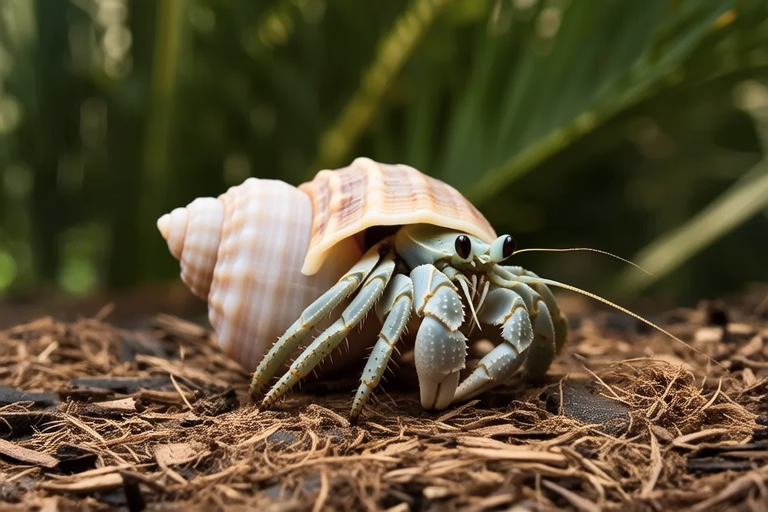
Tiny but Mighty: Uncovering the Secrets of Hermit Crab Care
Hermit crabs may be small, but they pack a world of wonder into their shells. These fascinating creatures are not only delightful pets but also teach us about the importance of environmental stewardship and the intricacies of animal care. In this guide, we’ll delve into the essentials of hermit crab care, covering everything from habitat setup to dietary needs and beyond. Whether you’re a seasoned hermit crab owner or just starting your journey, this article will equip you with the knowledge to provide your tiny friends with the best possible life.
Creating the Perfect Habitat
The first step in hermit crab care is setting up a suitable habitat. These creatures require a tank that mimics their natural environment, which includes both land and water areas. A glass or plastic tank with a secure lid is ideal, as hermit crabs are escape artists. The tank should be at least ten gallons for a small group, allowing ample space for climbing, exploring, and social interaction.
Inside the tank, you can create a diverse landscape by adding sand, coconut fiber, or bark chips as substrate. Ensure the substrate is deep enough for your crabs to burrow comfortably. Provide several hiding spots such as cork bark, driftwood, and caves. Additionally, include a shallow dish of dechlorinated saltwater and one of freshwater for drinking and shell cleaning. It’s crucial to maintain a temperature range between 75-85°F (24-29°C) and humidity levels around 70-80%, which can be achieved through regular misting and the use of a hygrometer.
Dietary Needs and Feeding Habits
Hermit crabs are omnivorous scavengers with a varied diet in the wild. To keep them healthy and active, offer a mix of fresh fruits, vegetables, and protein sources. Suitable foods include bananas, apples, carrots, spinach, and mealworms. Avoid feeding them processed human food, especially those containing sugar, salt, or artificial additives. You can also provide calcium-rich supplements like cuttlebone or crushed eggshells to support their exoskeleton growth.
Hermit crabs eat slowly and often take their time deciding what to consume. Therefore, it’s important to place food items in multiple locations within the tank to encourage exploration and ensure all crabs have access to nutrients. Rotate the types of food regularly to prevent boredom and promote a balanced diet.
Understanding Shell Changing Behavior
One of the most intriguing aspects of hermit crab care is watching them change shells. This behavior is essential for their survival, as it provides protection against predators and harsh environmental conditions. When a hermit crab outgrows its current shell, it will search for a larger one. This process involves carefully examining potential new homes before making the switch.
To assist your hermit crabs in finding suitable shells, provide a variety of sizes and shapes. Ensure that the shells are clean and free from chemicals. Some owners prefer to sterilize shells by soaking them in a mixture of boiling water and bleach, then rinsing thoroughly. Providing a selection of shells will reduce competition and stress among your crabs.
Maintaining Health and Preventing Common Issues
Like any pet, hermit crabs require attentive care to stay healthy. Regular maintenance of their habitat is crucial, including cleaning the tank, refreshing water dishes, and monitoring humidity levels. Signs of poor health include lethargy, loss of appetite, or difficulty moving. If you notice any concerning symptoms, consult a veterinarian specializing in exotic pets for proper diagnosis and treatment.
A common misconception about hermit crab care is that they don’t need much attention. However, these creatures thrive on interaction and environmental enrichment. Spend time observing your crabs’ behaviors and responding to their needs. By doing so, you’ll build a strong bond and ensure their well-being.
Social Behaviors and Unique Characteristics
Hermit crabs are surprisingly social animals, often living in large groups in the wild. In captivity, they enjoy the company of their fellow crabs and may engage in playful interactions. Encourage socialization by housing multiple crabs together, ensuring there are enough resources for everyone. Be mindful of potential conflicts, especially during feeding times or when competing for shells.
Another unique characteristic of hermit crabs is their ability to communicate through vibrations. They use their antennae to detect subtle movements in the substrate, helping them navigate their environment and interact with others. Understanding these communication methods can deepen your appreciation for these amazing creatures.
Patient and Committed Ownership
Hermit crab ownership requires patience and commitment. These pets have distinct needs and behaviors that differ from more conventional animals. Take the time to learn about their requirements and adjust your care accordingly. Remember, hermit crabs can live for decades with proper care, making them long-term companions.
Be prepared for occasional challenges, such as adjusting to new surroundings or dealing with molting periods. During these times, provide extra care and patience to help your crabs through the process. With dedication and love, you’ll enjoy a rewarding relationship with these tiny but mighty creatures.
In conclusion, hermit crabs are fascinating pets that offer a unique opportunity to explore the wonders of nature. By understanding their habitat setup, dietary needs, and social behaviors, you can provide your hermit crabs with a thriving environment. Embrace the joys of hermit crab ownership and look forward to many years of companionship with these delightful creatures.
