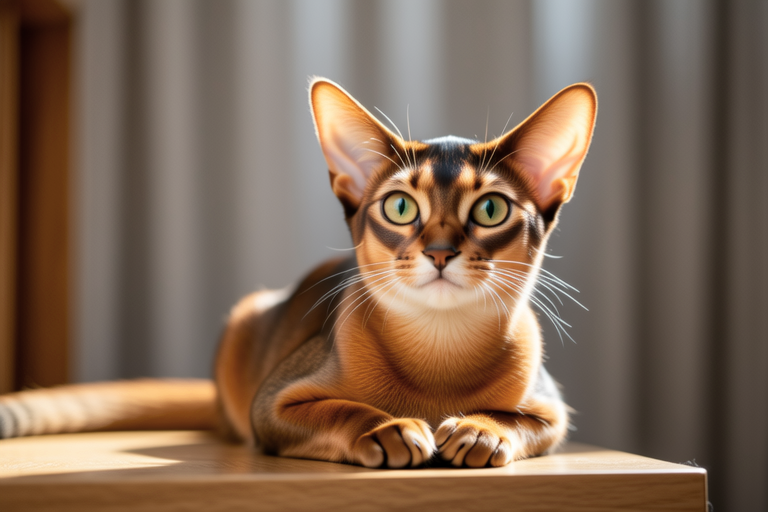
Abyssinian Cats: Secrets to Their Enchanting Golden Coat
The Abyssinian cat is a breed renowned for its captivating golden coat, a feature that has made it one of the most sought-after feline companions. Originating from ancient Egypt, these cats have been cherished for centuries for their striking appearance and engaging personalities. The Abyssinian’s history is steeped in mystery and lore, making them a subject of fascination for cat enthusiasts and historians alike.
Origins and Historical Significance
The Abyssinian cat is often associated with the land of ancient Egypt, where they were revered as sacred creatures. Historians believe that these cats were originally brought to England in the 19th century, possibly as trophies from expeditions. The first documented Abyssinian cat was named Zula and arrived in England in 1868. Despite the breed’s name suggesting an origin from Abyssinia (now Ethiopia), there is some debate over the exact lineage of these cats. Some experts suggest that they may have been descendants of Asian wildcats or Egyptian street cats, while others believe they could have been bred from a mix of domestic and wild breeds.
Regardless of their precise origins, Abyssinians quickly gained popularity among British aristocracy. Their elegant appearance and lively demeanor made them a favorite among those who could afford to keep them as pets. Over time, the breed spread across Europe and eventually reached North America, where it continues to be a popular choice for cat lovers.
Genetic Factors Behind the Golden Coat
The Abyssinian’s golden coat is one of its most distinctive features, and understanding the genetic factors behind it reveals the complexity of this breed. The primary genetic component responsible for the Abyssinian’s coat color is the agouti gene, which controls the ticking pattern in the fur. This gene causes each hair shaft to have alternating bands of light and dark color, creating the characteristic ‘ticked tabby’ pattern. In Abyssinians, the agouti gene combines with other genes to produce the warm, rich tones that make their coats so enchanting.
The ticking pattern is particularly pronounced in Abyssinians, giving their fur a unique texture and appearance. Each hair has multiple bands of color, typically ranging from a lighter base color to darker tips. This creates a shimmering effect, especially when the light hits the coat at certain angles. The combination of the agouti gene and other modifier genes also influences the depth and richness of the color, resulting in shades of cinnamon, ruddy, blue, and fawn.
Care and Maintenance of the Coat
To keep an Abyssinian’s coat healthy and glowing, regular grooming is essential. These cats are generally low-maintenance when it comes to grooming, but they still require attention to maintain their luxurious fur. Weekly brushing with a soft-bristled brush helps remove loose hairs and prevent matting. Pay special attention to areas where the fur is thicker, such as around the neck and tail.
Bathing should be kept to a minimum, as frequent washing can strip the natural oils from the skin and fur, leading to dryness and dullness. If bathing is necessary, use a gentle, pH-balanced shampoo specifically formulated for cats. After bathing, thoroughly towel-dry your Abyssinian and consider using a blow dryer set on a cool setting to help restore the natural shine to their coat.
In addition to physical grooming, maintaining a balanced diet is crucial for the health of an Abyssinian’s coat. A diet rich in omega-3 and omega-6 fatty acids supports healthy skin and shiny fur. Many commercial cat foods now include these essential nutrients, but you can also supplement your cat’s diet with fish oil or specially formulated supplements.
Anecdotes and Studies on Personality
Abyssinian cats are not only admired for their stunning appearance but also for their unique personalities. Known for being highly intelligent and curious, these cats are often described as ‘dog-like’ in their behavior. They enjoy interacting with their human companions and can even learn to play fetch. Their intelligence makes them quick learners, and they often engage in playful activities that challenge their minds.
Studies have shown that Abyssinians tend to form strong bonds with their owners, seeking out affection and attention whenever possible. They are known for their vocal nature, often chirping or chattering when they want something or simply to express their presence. This vocalization, combined with their affectionate nature, makes them excellent companions for people who enjoy interactive relationships with their pets.
One anecdote that highlights the personality of Abyssinians involves a cat named Luna, who belonged to a family in New York City. Luna was known for her adventurous spirit and would often explore every corner of the apartment. Her owner, Sarah, recalls one instance where Luna managed to open the door to the balcony and spent several minutes outside, enjoying the fresh air before returning inside. This anecdote exemplifies the curious and independent nature of Abyssinians, always ready for a new adventure.
Tips for Potential Owners
If you’re considering adding an Abyssinian to your family, there are several key points to keep in mind to ensure both you and your new pet thrive together. First and foremost, provide ample mental stimulation to keep your Abyssinian engaged and happy. Interactive toys, puzzle feeders, and regular play sessions are all excellent ways to keep your cat mentally sharp.
Secondly, be prepared for a high level of interaction. Abyssinians are social animals and will appreciate regular attention from their owners. Spend quality time with your cat through petting, playing, and simply sitting together. This will strengthen the bond between you and your pet, enhancing the overall satisfaction for both of you.
Lastly, pay close attention to the health and well-being of your Abyssinian. Regular veterinary check-ups, a nutritious diet, and proper grooming are all essential for maintaining their health. By providing a loving and stimulating environment, you can ensure that your Abyssinian remains a healthy and enchanting companion for years to come.
In conclusion, Abyssinian cats are more than just beautiful; they are fascinating creatures with a rich history and unique personalities. Understanding the genetic factors behind their golden coat and providing proper care and attention will help ensure that your Abyssinian remains healthy and vibrant. With their intelligence, curiosity, and affectionate nature, these cats are sure to bring joy and companionship to any household.
