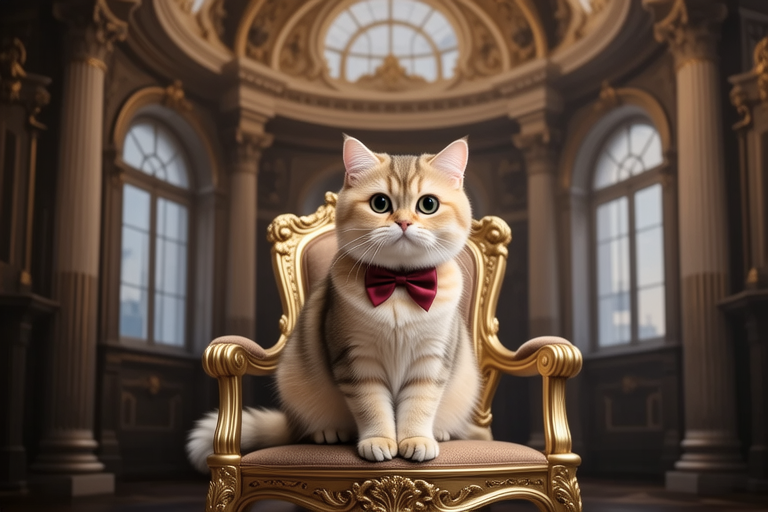
The Golden British Shorthair Cat: A Royal Legacy in Modern Homes
The Golden British Shorthair cat is a breed steeped in history, elegance, and affection. Originating from the royal palaces of Britain, this feline has gracefully transitioned from aristocratic households to contemporary family settings. This article explores the history and evolution of the Golden British Shorthair, delving into its physical characteristics, temperament, and enduring popularity. It also highlights historical anecdotes, notable mentions in literature and art, and provides insights into its care and maintenance for modern owners.
Origins and Early History
The British Shorthair cat traces its roots back to ancient Britain, where it was valued for its hunting prowess and companionship. These cats were often found in royal palaces, serving as both pets and protectors. The breed’s golden coat variation, however, emerged later, possibly through selective breeding practices. The first recorded mention of the Golden British Shorthair dates back to the 19th century, when it was exhibited at cat shows in London. Initially, these cats were bred primarily for their striking appearance and gentle nature, making them ideal companions for the aristocracy.
Physical Characteristics
Golden British Shorthairs are medium to large-sized cats with robust, muscular bodies. Their most distinctive feature is their plush, dense, and short golden coat, which can range from light cream to deep gold. Their eyes are typically large and round, set wide apart, giving them an expressive and gentle look. The breed’s head is rounded with prominent cheeks, and their ears are small and rounded at the tips. Their tail is thick and bushy, adding to their overall regal appearance.
Temperament and Personality
Known for their calm and gentle demeanor, Golden British Shorthairs are affectionate yet independent. They are often described as having a laid-back personality, making them excellent companions for busy households. These cats enjoy spending time with their human families but also value their alone time. They are generally good with children and other pets, provided they are introduced gradually. Their intelligence and curiosity make them engaging companions, always ready to explore new environments and interact with their surroundings.
Historical Anecdotes and Aristocratic Presence
The Golden British Shorthair has been a fixture in aristocratic households for centuries. One notable anecdote involves Queen Victoria, who was an avid cat lover and owned several British Shorthairs during her reign. The breed’s presence in royal palaces was not only a symbol of status but also a testament to its adaptability and charm. In the early 20th century, the breed became even more popular among the upper echelons of society, further cementing its reputation as a luxurious and elegant companion.
Adaptation to Contemporary Family Life
As societal norms evolved, so did the role of the Golden British Shorthair in families. By the mid-20th century, the breed had adapted to modern living conditions, becoming cherished pets in middle-class households. Their easygoing nature and compatibility with various living spaces made them ideal companions for urban dwellers. Today, they are widely appreciated for their loyalty, playfulness, and ability to thrive in diverse environments.
Notable Mentions in Literature and Art
The Golden British Shorthair has inspired numerous artists and writers throughout history. In literature, the breed is often portrayed as a symbol of grace and elegance. For instance, Charles Dickens mentioned British Shorthairs in his works, highlighting their presence in Victorian-era homes. In art, the breed has been featured in paintings and sculptures, capturing its majestic and serene appearance. These artistic representations have contributed to the breed’s enduring appeal and cultural significance.
Key Traits That Have Made the Breed Enduringly Popular
A few key traits have made the Golden British Shorthair an enduringly popular breed. Firstly, their striking golden coats and expressive eyes make them visually appealing. Secondly, their gentle and affectionate nature makes them excellent companions for families and individuals alike. Lastly, their adaptability to various living conditions ensures that they can thrive in almost any environment. These attributes, combined with their rich history and cultural significance, have solidified their place as beloved pets.
Care and Maintenance for Modern Owners
Maintaining a Golden British Shorthair requires regular grooming and attention to their health needs. Their dense, short coat requires weekly brushing to prevent matting and remove loose hair. Bathing should be done sparingly, as frequent washing can strip their coat of natural oils. Regular veterinary check-ups and vaccinations are essential to ensure their well-being. Providing a balanced diet and access to fresh water is crucial for maintaining their energy levels and overall health. Additionally, interactive toys and scratching posts help stimulate their minds and keep them physically active.
Conclusion
The Golden British Shorthair cat has come a long way from its origins in royal palaces to its current place in modern homes. Its striking appearance, gentle nature, and adaptability have made it a beloved pet for generations. From its early days in aristocratic households to its current status as a cherished companion, the breed continues to captivate hearts and homes. With proper care and attention, modern owners can enjoy the company of these magnificent creatures, ensuring that their legacy lives on for years to come.
