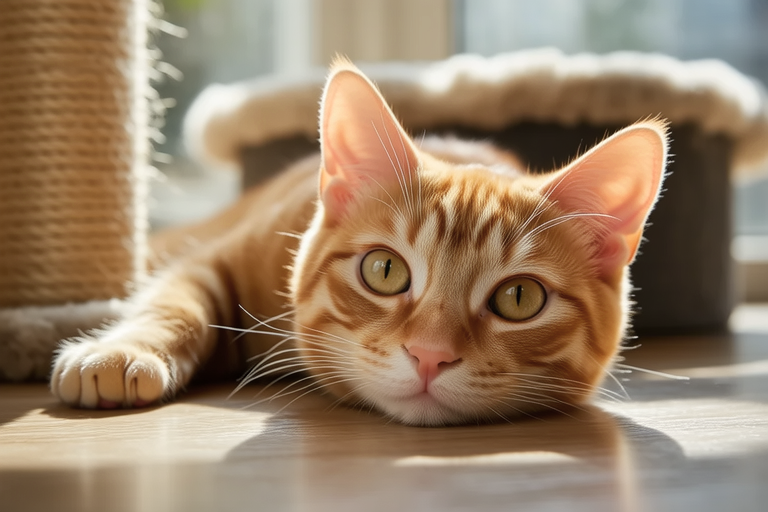
How to Care for Your Orange Cat Like a Pro: Essential Tips and Tricks
Welcome to your comprehensive guide on how to care for your orange cat like a pro! Orange cats, with their vibrant coats and distinctive personalities, bring joy and warmth into our lives. In this article, we will explore various aspects of their care, from diet and grooming to health concerns and environmental enrichment. By following these essential tips and tricks, you’ll be well-equipped to provide the best possible life for your beloved feline companion.
Diet Tailored for Orange Cats
Feeding your orange cat a balanced diet is crucial for maintaining their health and vitality. While all cats require similar nutritional elements, there are specific considerations for orange cats that can help enhance their overall wellbeing.
High-Quality Protein: Cats are obligate carnivores, meaning they need a diet rich in animal-based proteins. Look for high-quality protein sources such as chicken, fish, or beef in your cat’s food. These proteins support muscle growth and maintenance, which is especially important for active orange cats.
Vitamins and Minerals: Orange cats may benefit from additional vitamin A and beta-carotene, which contribute to the maintenance of their bright coats. Foods fortified with these nutrients can help keep their fur glossy and healthy. Omega-3 fatty acids, found in fish oil, also promote skin and coat health.
Weight Management: Obesity is a common issue among indoor cats, and orange cats are no exception. Choose a diet that is appropriate for your cat’s age and activity level. If your orange cat tends to gain weight easily, consider a reduced-calorie formula or portion control to prevent obesity-related health issues.
Grooming Specifics
Grooming is an essential part of keeping your orange cat healthy and happy. Their striking orange coats require regular attention to maintain their appearance and prevent matting.
Breeds and Coats: Different breeds of orange cats have varying coat types. For example, a Maine Coon might have a thick, long-haired coat, while a Siamese has short hair. Understanding your cat’s breed-specific grooming needs is key to maintaining their coat.
Brushing: Regular brushing helps remove loose hair and prevents matting. Use a soft-bristled brush or a slicker brush for short-haired cats and a comb for long-haired ones. Brush your cat at least once a week, but twice a week is ideal for long-haired breeds.
Bathing: Orange cats generally do not need frequent baths unless they get particularly dirty. Over-bathing can strip natural oils from their skin and coat. If you do bathe your cat, use a gentle, cat-specific shampoo and ensure thorough rinsing to avoid irritation.
Health Concerns Common to Orange Cats
While orange cats are generally healthy, some health issues are more prevalent in this color group. Being aware of these conditions allows you to take proactive steps in preventing or managing them.
Hypertrophic Cardiomyopathy (HCM): This is one of the most common heart diseases in cats. It causes the walls of the heart to thicken, potentially leading to heart failure. Regular veterinary check-ups, including heart screenings, are recommended.
Obesity: As mentioned earlier, obesity is a significant concern for many orange cats. Maintaining a healthy weight through proper diet and exercise is vital for preventing diabetes, arthritis, and other weight-related health issues.
Eye Conditions: Some orange cats, particularly those with white fur or blue eyes, may be prone to eye problems such as glaucoma or corneal ulcers. Routine eye examinations by a veterinarian can help catch these issues early.
Exercise Needs
Orange cats, like all cats, require regular physical activity to stay fit and mentally stimulated. Encouraging play and movement is essential for their overall health.
Interactive Toys: Interactive toys that mimic prey, such as feather wands or laser pointers, can stimulate your cat’s hunting instincts. Engage in play sessions several times a day to encourage exercise.
Vertical Space: Cats naturally enjoy climbing and exploring higher vantage points. Provide tall cat trees, shelves, or window perches to encourage vertical exploration and climbing.
Structured Playtime: Structured play sessions not only provide exercise but also strengthen the bond between you and your cat. Spend at least 10-15 minutes each day playing with your cat to ensure they remain physically and mentally engaged.
Behavioral Insights
Understanding your orange cat’s behavior can help you provide a nurturing environment and address any potential issues.
Personality Traits: Orange cats often have outgoing, friendly personalities. They tend to be social and enjoy human interaction. However, individual temperaments can vary, so it’s important to observe your cat’s behavior and respond accordingly.
Stress Reduction: Cats can become stressed by changes in their environment or routine. To minimize stress, maintain a consistent daily schedule and provide a safe, quiet space where your cat can retreat when needed.
Training: Training your orange cat can be beneficial for both of you. Positive reinforcement techniques, such as clicker training or treat rewards, can teach your cat basic commands and improve communication between you.
Tips for Creating a Stimulating Environment
Creating a stimulating environment is crucial for your orange cat’s mental and emotional well-being. Here are some ideas to enrich your cat’s living space:
Toys and Puzzle Feeders: Rotate different toys regularly to keep your cat interested. Puzzle feeders that dispense treats when manipulated can also provide mental stimulation while encouraging problem-solving skills.
Scratching Posts: Scratching is a natural behavior for cats. Provide sturdy scratching posts made from materials your cat prefers, such as sisal rope or corrugated cardboard. This helps maintain claw health and reduces damage to furniture.
Window Perches: Many cats love watching birds and other outdoor activities from a window perch. Install a perch near a window to give your cat a view of the outside world, enhancing their sensory experience.
Play Structures: Invest in multi-level play structures that offer hiding spots, tunnels, and platforms. These structures provide opportunities for exploration and play, mimicking the natural environment of wild cats.
Conclusion
Caring for an orange cat is a rewarding endeavor that requires attention to their unique dietary, grooming, and health needs. By providing a balanced diet, regular grooming, and a stimulating environment, you can ensure your orange cat leads a happy and healthy life. Remember, every cat is an individual, so pay close attention to your cat’s specific requirements and preferences. With the right care and love, your orange cat will thrive and bring endless joy to your home.
