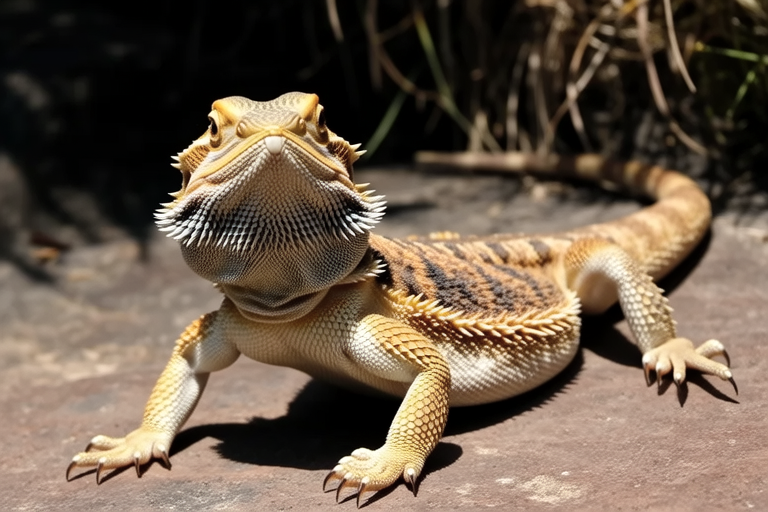
Bearded Dragon Body Language: Decode Their Signals Like a Pro
Bearded dragons, scientifically known as Pogona vitticeps, are one of the most popular pet lizards due to their docile nature and striking appearance. These captivating creatures are native to Australia and have become cherished companions for reptile enthusiasts worldwide. Understanding your bearded dragon’s body language is essential for providing optimal care, ensuring their well-being, and strengthening the bond between you and your scaly friend. This guide will help you decode the various signals your bearded dragon uses to communicate, making you a pro at reading their body language.
Basic Postures: Relaxed and Defensive
One of the first things to notice about your bearded dragon is its posture. A relaxed bearded dragon typically sits or lies down with its limbs tucked close to its body, resembling a loaf of bread. It may also bask in the heat lamp with its arms spread out, indicating it’s comfortable and enjoying the warmth. On the other hand, a defensive posture is characterized by the dragon puffing up its body, lifting its head high, and opening its mouth wide. This stance is often accompanied by a darker beard, which we’ll explore later. Recognizing these postures helps you understand when your dragon is feeling safe and secure versus when it might be stressed or threatened.
Color Changes: Nature’s Mood Ring
Bearded dragons can change their skin color depending on their mood, temperature, and environment. Typically, a healthy bearded dragon has a bright green hue when it’s active and warm. However, if the temperature drops, their color might turn darker, almost brownish, as they try to absorb more heat. During mating season, males might display vibrant reds and oranges around their faces and throats. Color changes can also indicate stress or illness; a pale or dull coloration could signal that your dragon needs medical attention. Monitoring these color shifts provides valuable insights into your dragon’s health and comfort levels.
Beard Behavior: The Tale of the Throat Patch
The beard, located under the throat, is one of the most expressive parts of a bearded dragon’s anatomy. When relaxed, the beard appears flat against the throat. However, when agitated or during courtship displays, the beard puffs out, turning dark black or even brown. This dramatic change serves as a warning to potential threats or rivals. Female bearded dragons might also darken their beards when laying eggs, a sign of hormonal changes and physical exertion. Understanding these beard behaviors allows you to gauge your dragon’s emotional state accurately.
Eye Signals: The Window to the Soul
Your bearded dragon’s eyes provide vital clues about its emotional state and health. Healthy eyes are clear, alert, and responsive. If your dragon seems lethargic, its eyes might appear cloudy or sunken. Conversely, overly active eyes could suggest excitement or fear. Bearded dragons can also display a behavior called ‘dying dragon’, where they lie motionless with their eyes half-closed. This is usually a sign of extreme relaxation or sleepiness. Learning to read these eye signals helps you recognize when your dragon is content or when it might need attention or medical care.
Tail Movements: The Final Piece of the Puzzle
The tail of a bearded dragon is not just for balance but also for communication. A relaxed dragon will hold its tail straight or slightly curved. When excited or preparing to run, the tail may flick rapidly. In contrast, a tail that remains stiff and raised can signal aggression or readiness to defend itself. Tail injuries or drooping can indicate illness or discomfort. By paying attention to these tail movements, you can better understand your dragon’s intentions and emotions.
Practical Tips for Accurate Interpretation
Interpreting your bearded dragon’s body language requires patience and practice. Here are some tips to help you become proficient:
- Observe Consistently: Spend time observing your dragon in different settings and moods to understand its typical behaviors.
- Contextualize Signals: Consider the context of each signal to avoid misinterpretation. For example, a dark beard could mean aggression or mating behavior.
- Consult Experts: If you’re unsure about a particular behavior, consult with a veterinarian or experienced reptile owner.
- Respond Appropriately: Once you’ve identified a signal, respond accordingly. Offer comfort if your dragon appears stressed or give space if it seems aggressive.
Fostering a Strong Bond Through Observation and Care
The key to a strong bond with your bearded dragon lies in attentive observation and responsive care. By consistently monitoring your dragon’s body language, you can anticipate its needs and create a nurturing environment. Regular interactions, such as gentle handling and feeding, further strengthen this bond. Remember, every bearded dragon is unique, so take the time to learn your pet’s individual preferences and quirks. With patience and dedication, you’ll develop a deep connection with your scaly companion, ensuring a rewarding and enriching experience for both of you.
