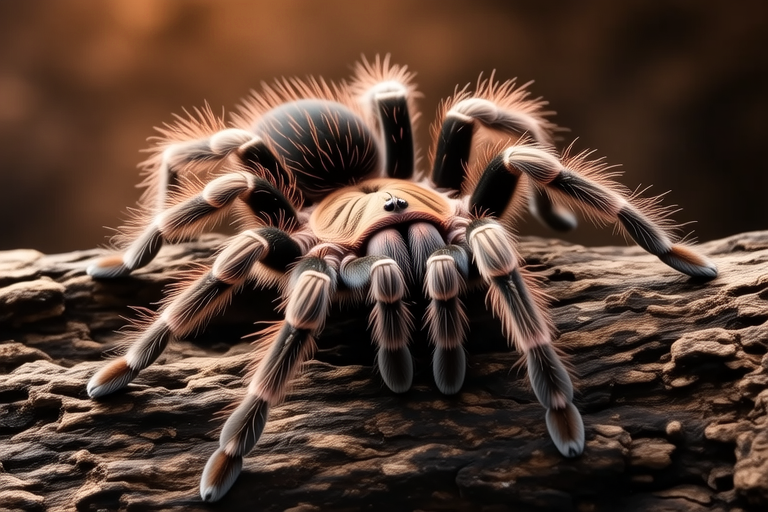
Top 10 Lesser-Known Facts About Your Friendly Neighborhood Chilean Rose Tarantula
Welcome to the world of the Chilean Rose Tarantula, one of the most popular and misunderstood creatures in the pet trade. These captivating arachnids are known for their vibrant pinkish hues and docile temperament, making them a favorite among tarantula enthusiasts. However, there’s much more to these spiders than meets the eye. Let’s dive into ten lesser-known facts that will deepen your appreciation for these fascinating creatures.
1. A Colorful Start
When they hatch, baby Chilean Rose Tarantulas (Grammostola rosea) aren’t actually pink. They start off with a dark brown or black exoskeleton that gradually lightens as they molt several times. This transformation can take up to two years, during which time they grow from tiny, almost imperceptible spiderlings to their characteristic rosy hue. Their final coloration is influenced by factors such as diet and environmental conditions, making each individual unique.
2. The Silent Stalker
Contrary to popular belief, Chilean Rose Tarantulas don’t rely on webs to catch prey. Instead, they are ambush predators, spending most of their time buried in the ground or under rocks. They wait patiently for small insects like crickets, beetles, and moths to come within striking distance before pouncing with incredible speed. Their powerful legs allow them to move silently, giving them a significant advantage over their unsuspecting prey.
3. Desert Dwellers
Native to the Atacama Desert in northern Chile, these tarantulas have adapted to survive in some of the harshest environments on Earth. The Atacama is one of the driest places in the world, receiving less than 1 millimeter of rain per year. To cope with this extreme aridity, Chilean Rose Tarantulas have evolved specialized organs called book lungs, which help them breathe efficiently even in low-oxygen environments. Additionally, they can go for long periods without water, relying on moisture from their food to stay hydrated.
4. Lifespan and Growth
Chilean Rose Tarantulas are relatively long-lived compared to other arachnids. In captivity, they can live up to 15 years, though wild individuals typically don’t reach such advanced ages due to predation and environmental challenges. Females generally outlive males by several years, with males living around 6 to 8 years on average. As they grow, these tarantulas shed their exoskeletons multiple times throughout their lives, a process known as molting. Each molt brings them closer to full maturity, which they achieve after about three years.
5. Not All Hairs Are Created Equal
One of the most distinctive features of the Chilean Rose Tarantula is its dense coat of hairs. These hairs serve various purposes, including sensory functions and defense mechanisms. Some hairs are sensitive to vibrations, helping the tarantula detect approaching threats or potential prey. Others are barbed and can be released when the tarantula feels threatened, causing irritation or allergic reactions in predators or handlers. This defense mechanism is commonly referred to as ‘urticating hairs’ and is a key survival strategy for these spiders.
6. Docile but Not Passive
Despite their gentle demeanor, Chilean Rose Tarantulas are not entirely passive. While they rarely bite unless provoked, they possess potent venom designed to subdue their prey. However, their venom is mild compared to many other spider species and is not considered dangerous to humans. In fact, their bites are often compared to bee stings, causing localized pain and swelling that subsides within a few hours. This makes them ideal pets for those who want to experience the thrill of handling a spider without the risk of serious injury.
7. Unique Burrowing Habits
These tarantulas are master diggers, capable of creating intricate burrows that serve as both homes and hunting grounds. In the wild, they excavate tunnels that can extend several feet deep into the ground, complete with chambers and ventilation shafts. When kept as pets, they will often attempt to burrow if given the opportunity, requiring substrate deep enough to accommodate their digging instincts. Providing appropriate housing conditions not only satisfies their natural urges but also promotes their overall health and well-being.
8. Temperature Sensitivity
Chilean Rose Tarantulas thrive in warm, dry conditions similar to their native desert habitat. Ideal temperatures for these spiders range between 75°F and 85°F (24°C to 29°C), with humidity levels kept low to prevent mold growth. Maintaining the right temperature is crucial for their digestion and metabolism. If the temperature drops too low, they may become lethargic and stop eating, potentially leading to health issues. Conversely, excessively high temperatures can cause stress and dehydration, so it’s important to monitor and adjust environmental conditions accordingly.
9. Social Behavior in Captivity
In the wild, Chilean Rose Tarantulas are solitary creatures, living alone in their burrows and only coming together briefly during mating season. However, in captivity, they can sometimes exhibit social behavior, particularly when housed in groups. While it’s generally recommended to keep them separate to avoid territorial disputes, some owners have successfully maintained colonies where individuals coexist peacefully. This unique aspect of their behavior underscores the importance of careful observation and management when keeping multiple tarantulas in the same enclosure.
10. The Role of Molting
Molting is a critical part of a Chilean Rose Tarantula’s life cycle, involving the shedding of its entire exoskeleton. During this process, which can last several days, the tarantula becomes extremely vulnerable and requires specific environmental conditions to ensure a successful molt. Prior to molting, the tarantula stops eating and becomes reclusive, signaling to its keeper that it’s preparing for this significant event. After molting, the newly emerged spider is soft and delicate, requiring time to harden its new exoskeleton before resuming normal activities. Understanding and supporting this natural process is essential for maintaining the health and longevity of pet tarantulas.
By exploring these lesser-known facts about the Chilean Rose Tarantula, we gain a deeper understanding of their remarkable adaptations and behaviors. Whether you’re a seasoned arachnid enthusiast or simply curious about these fascinating creatures, there’s always more to learn about the world of spiders. So next time you encounter a Chilean Rose Tarantula, take a moment to appreciate the complexity and beauty of this truly extraordinary species.
