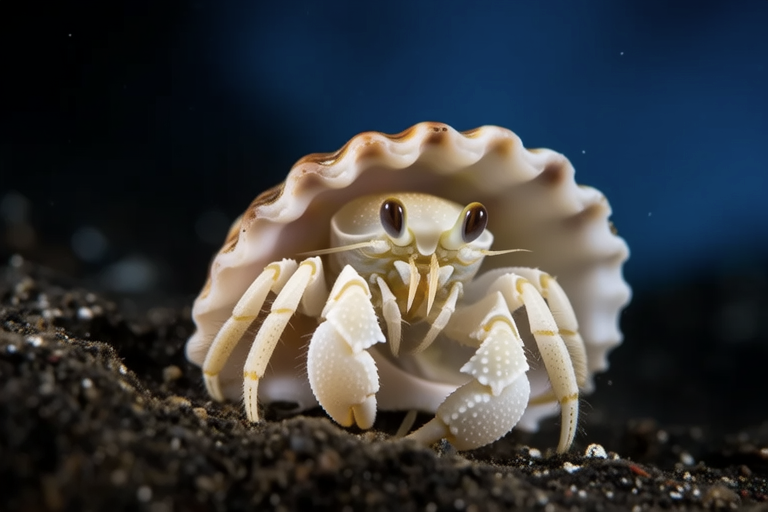
Meet the Pea Crab: The Tiniest Shellmate You Never Knew Existed
In the vast and mysterious world of the ocean, there exists a small but fascinating inhabitant known as the pea crab. Despite their diminutive size, these crustaceans have an extraordinary tale to tell. This article delves into the life of the pea crab, exploring its unique relationship with sea anemones and other shellfish, its habitat, diet, reproduction methods, and its vital role in marine ecosystems.
The Tiny Pea Crab
The pea crab (Pinnotheres sp.) is one of the smallest crabs in the world, typically measuring between 3 to 8 millimeters in length. Their petite size makes them almost invisible to the naked eye, and they are often overlooked by casual observers of marine life. Despite their size, these crabs are incredibly resilient and play a significant role in their ecosystem.
A Unique Symbiosis
Pea crabs have developed a remarkable relationship with various marine organisms, most notably sea anemones and other shellfish. They are commensalists, meaning that while they benefit from their association with their hosts, the hosts are generally unaffected. These tiny crabs find refuge within the protective shells of bivalves like oysters and clams, where they can hide from predators and access food.
Their relationship with sea anemones is equally intriguing. Pea crabs often attach themselves to the tentacles of these cnidarians, which provide them with shelter and protection. In return, the crabs may help the anemone by deterring potential predators or by removing debris that could otherwise harm the anemone. This mutualistic relationship benefits both parties, as it ensures the survival of both species in challenging marine environments.
Habitat and Distribution
Pea crabs are found in a variety of marine habitats, including shallow coastal waters, estuaries, and even deep-sea environments. They thrive in areas rich in bivalve populations, as these mollusks serve as their primary hosts. Their adaptability allows them to survive in diverse conditions, from tropical coral reefs to temperate rocky shores. This widespread distribution highlights the versatility of these tiny creatures and their importance to marine ecosystems worldwide.
Diet and Feeding Habits
The diet of pea crabs consists mainly of zooplankton and detritus, which they filter from the water using specialized mouthparts. However, their association with bivalves provides them with an additional food source. By residing inside the shells of these mollusks, pea crabs can feed on the soft tissues of their hosts or on the planktonic organisms that enter the bivalves’ gills. This dual food source ensures their survival and growth, making them efficient scavengers in their environment.
Reproduction and Life Cycle
Pea crabs reproduce sexually, with males and females mating and producing eggs that are then carried by the female until they hatch. Once hatched, the larvae drift in the water column, feeding on plankton and growing rapidly. After several molts, they settle on a suitable host, where they will spend the rest of their lives. The entire life cycle of a pea crab is intricately linked to the presence of suitable hosts, underscoring the importance of these relationships in their survival.
Adaptations and Behaviors
Pea crabs have evolved several adaptations that allow them to thrive in their unique niche. Their flattened bodies enable them to fit snugly within the shells of their hosts, providing them with both protection and camouflage. Additionally, they possess specialized appendages that help them cling tightly to their hosts, preventing them from being dislodged during rough seas or interactions with other marine organisms.
One of the most fascinating aspects of pea crab behavior is their ability to manipulate their hosts. For instance, some species of pea crabs have been observed nudging their host bivalves open, allowing them to reach more food sources. This behavior not only benefits the crabs but also indirectly aids the bivalves by promoting water flow through their gills, which enhances their respiration and feeding efficiency.
The Ecological Role of Pea Crabs
Pea crabs play a crucial role in maintaining the balance of their ecosystems. As scavengers, they contribute to nutrient cycling by breaking down organic matter and redistributing it throughout the water column. Their presence also influences the behavior of their hosts, potentially improving the overall health and productivity of bivalve populations. Furthermore, the relationship between pea crabs and their hosts serves as a model for understanding the complex interactions that occur within marine communities.
Why Understanding Pea Crabs Matters
The study of pea crabs and their symbiotic relationships offers valuable insights into the intricate web of life in the ocean. By examining these tiny creatures, scientists can better understand the factors that influence marine biodiversity and the delicate balance that sustains it. Moreover, as human activities continue to impact marine environments, it becomes increasingly important to conserve the myriad species that call the oceans home. Protecting pea crabs and their hosts helps ensure the long-term health and resilience of marine ecosystems.
Understanding the role of pea crabs in marine ecosystems is essential for developing effective conservation strategies. By recognizing the importance of these tiny shellmates, we can work towards preserving the rich diversity of life in our oceans and safeguarding the future of marine biodiversity.
