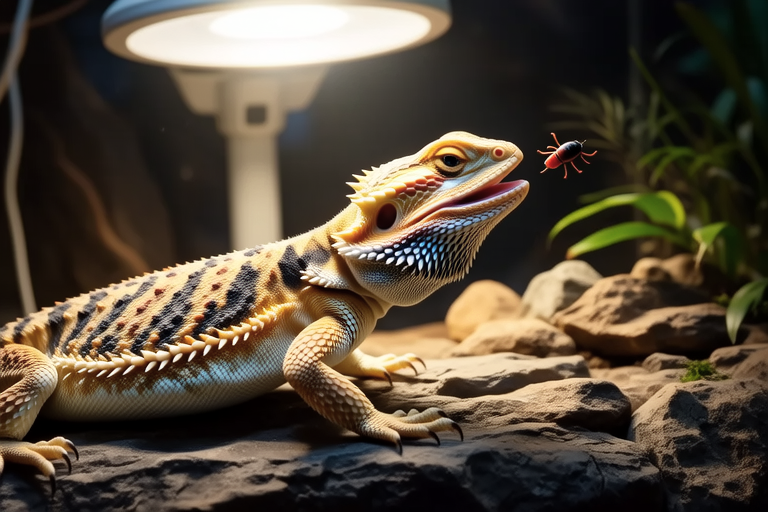
Ultimate Guide to Feeding Your Bearded Dragon Like a Pro!
Welcome to the comprehensive guide on how to feed your bearded dragon like a pro! This article will cover everything from the importance of a varied diet to recommended feeding frequencies and common mistakes to avoid. By the end, you’ll be equipped with all the knowledge necessary to ensure your bearded dragon enjoys a healthy, balanced diet.
The Importance of Variety in Their Diet
Bearded dragons are omnivorous reptiles that require a diverse diet to meet their nutritional needs. A varied diet ensures they receive all the vitamins and minerals necessary for optimal health. Incorporating a range of food types can prevent deficiencies and promote overall well-being. For younger dragons, focus more on protein-rich foods, while adults benefit from a mix of proteins and plant matter.
Recommended Live Foods: Insects
Insects are a vital part of a bearded dragon’s diet, especially for juveniles. Common choices include crickets, dubia roaches, and waxworms. It’s crucial to choose appropriately sized insects; too large can cause digestive issues, while too small may not provide adequate nutrition. Gut loading, where insects are fed nutritious food before being offered to the dragon, enhances their nutritional value. Dusting insects with calcium powder before feeding is also important, particularly for growing dragons.
Proper Supplementation
Supplements play a significant role in maintaining a bearded dragon’s health. Calcium and vitamin D3 are essential for bone development and strength. Multivitamins can help fill any nutritional gaps. However, over-supplementation can lead to toxicity, so it’s important to follow the manufacturer’s guidelines carefully. Regular vet check-ups can help monitor your dragon’s health and adjust supplementation as needed.
Vegetables and Fruits Suitable for Bearded Dragons
A wide array of vegetables and fruits are safe and beneficial for bearded dragons. Dark leafy greens like collard greens, mustard greens, and dandelion greens are excellent sources of vitamins and minerals. Other vegetables such as bell peppers, squash, and carrots offer additional nutrients. Fruits like berries, melons, and apples can be offered sparingly as treats due to their higher sugar content. Always wash produce thoroughly to remove pesticides and contaminants.
Hydration Methods
Ensuring your bearded dragon stays hydrated is crucial for their health. Bearded dragons primarily obtain water through their food, but providing a shallow dish of fresh water daily is recommended. Some dragons may drink directly from the dish, while others prefer misting or soaking. Regular misting can encourage drinking, and occasional soaking allows them to hydrate themselves fully. Monitor the water dish for cleanliness and refill it as needed.
Feeding Frequency for Different Life Stages
The feeding frequency varies depending on the age of the bearded dragon. Juveniles, which grow rapidly, need to be fed multiple times daily, typically around three times. Adults, having slower metabolisms, require fewer meals, usually one to two times per day. Adjustments should be made based on individual appetite and weight. Monitoring their growth and consulting a veterinarian can help determine the appropriate feeding schedule.
Common Feeding Mistakes to Avoid
Several common feeding errors can negatively impact your bearded dragon’s health. Overfeeding, particularly with high-fat foods like waxworms, can lead to obesity. Underfeeding can result in malnutrition and stunted growth. Feeding inappropriate or contaminated foods can introduce harmful bacteria or parasites. Ensuring the safety and appropriateness of each meal is paramount. Additionally, failing to provide sufficient calcium can lead to metabolic bone disease, a serious condition affecting skeletal health.
Signs of a Healthy Diet
A properly nourished bearded dragon displays several positive signs. They maintain a healthy weight, have clear eyes, and exhibit strong, healthy skin and scales. Their bowel movements should be regular and normal in appearance. Active behavior, good appetite, and bright colors are also indicators of a healthy diet. Conversely, signs of poor health include lethargy, loss of appetite, abnormal feces, and dull or discolored skin. Regular veterinary check-ups can help catch potential issues early.
Conclusion
By following these feeding guidelines, you can ensure your bearded dragon enjoys a nutritious, balanced diet. Remember, the key to successful feeding lies in variety, proper supplementation, and attentive care. Regular monitoring and adjustments based on your dragon’s specific needs will help maintain their health and happiness. With this knowledge, you’re well on your way to becoming a pro at feeding your bearded dragon.
