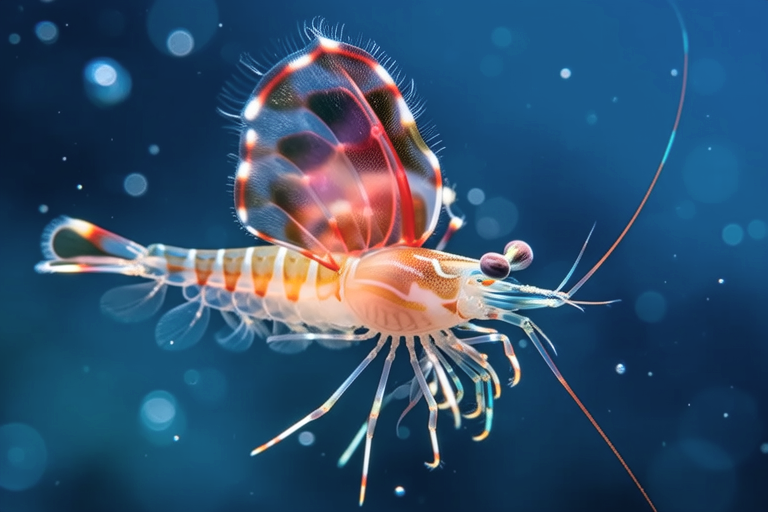
Coral Shrimp: The Vibrant Addition to Your Saltwater Tank
Welcome to the vibrant world of saltwater aquariums! Among the myriad of fascinating creatures that can be added to your tank, coral shrimp stand out as a captivating choice. These tiny crustaceans bring a splash of color and life to any marine environment. This article delves into the unique beauty and care requirements of coral shrimp, providing valuable insights for both novice and seasoned aquarists.
An Introduction to Coral Shrimp
Coral shrimp, scientifically known as Stenopus hispidus, are small, strikingly beautiful creatures that can add a burst of color and activity to your saltwater tank. With their distinctive appearance—featuring red or pinkish bodies and white spots—they are highly sought after by aquarists. Their unique features make them stand out among other shrimp species. Coral shrimp are not only visually appealing but also offer several benefits to the tank’s ecosystem. They are known for their ability to keep algae under control and clean debris from corals and rocks.
Natural Habitat
To truly appreciate these little wonders, it’s essential to understand their natural habitat. Coral shrimp originate from the tropical waters of the Indo-Pacific region, where they inhabit reefs and rocky areas. In their native environments, they live among coral formations and crevices, often found in pairs or small groups. They thrive in areas with ample hiding spots and varied terrain. Understanding this helps recreate a suitable environment in your home aquarium.
Ideal Tank Conditions
Creating a suitable environment for coral shrimp requires careful attention to detail. First and foremost, maintain optimal water parameters. Coral shrimp prefer stable water conditions with a temperature range between 75°F and 82°F (24°C to 28°C), a pH level of 8.1 to 8.4, and salinity levels of 1.023 to 1.025 specific gravity. Regular monitoring of these parameters ensures their well-being.
Proper filtration is crucial for maintaining water quality. A high-quality filter system capable of handling the tank’s volume effectively removes harmful substances like ammonia and nitrite. Additionally, consider incorporating mechanical and biological filtration to ensure a healthy aquatic environment.
Providing ample hiding spots and varied terrain is essential for coral shrimp. Incorporate live rock, caves, and crevices within the tank setup. These structures not only mimic their natural habitat but also provide security and places to explore. Including a variety of plants and decorations enhances the tank’s aesthetic appeal while offering additional hiding spaces.
Dietary Needs
Understanding the dietary needs of coral shrimp is key to their thriving in your tank. In the wild, they feed on small particles of detritus, algae, and microorganisms. To replicate this diet in captivity, offer a balanced mix of sinking pellets, algae wafers, and occasional meaty foods such as brine shrimp or mysis shrimp. Feeding them once or twice a day in small quantities prevents overfeeding and maintains water quality.
Regular feeding schedules help regulate their metabolism and ensure they receive adequate nutrition. It’s important to note that overfeeding can lead to poor water quality, which may negatively impact the overall health of the tank. Therefore, it’s recommended to observe their eating habits and adjust the quantity accordingly.
Compatibility with Other Tank Inhabitants
Selecting compatible tank mates for coral shrimp is vital for maintaining a peaceful and thriving community. Coral shrimp generally coexist well with most peaceful fish and invertebrates, including clownfish, tangs, and certain snails. However, caution must be exercised when introducing more aggressive species or those known to prey on small crustaceans.
It’s advisable to avoid housing coral shrimp with larger, predatory fish or invertebrates. Species like lionfish, groupers, or large crabs pose a significant threat due to their predatory nature. Similarly, smaller, delicate fish might be at risk if housed with coral shrimp, as the shrimp’s defensive behaviors could inadvertently harm them.
Tips for Setting Up a Suitable Environment
Setting up a suitable environment for coral shrimp involves several key steps. First, choose a tank size that accommodates their needs. A minimum tank size of 20 gallons is recommended for a single pair of coral shrimp, allowing ample space for exploration and territorial behavior. Larger tanks provide more room for growth and interaction.
Introducing coral shrimp to the tank should be done gradually to minimize stress. Acclimate them to the new environment by floating the bag in the tank for about 15 minutes, then slowly adding tank water to the bag over a period of 30 minutes. Finally, release them gently into the tank. This process helps them adjust to the new water parameters and reduces the likelihood of shock.
Maintaining Water Quality
Maintaining water quality is paramount for the health and longevity of coral shrimp. Regular water changes are essential to remove accumulated toxins and replenish beneficial minerals. Aim for partial water changes of approximately 10-20% every two weeks, depending on the tank’s bioload and filtration efficiency. Consistent monitoring of water parameters through regular testing ensures a stable and healthy environment.
Investing in quality filtration systems is another crucial aspect of maintaining water quality. High-performance filters equipped with carbon, activated charcoal, and mechanical components effectively remove impurities and excess nutrients. Additionally, incorporating biological filtration media fosters beneficial bacteria colonies that aid in breaking down harmful substances.
The Benefits of Having Coral Shrimp
Incorporating coral shrimp into your saltwater tank offers numerous benefits beyond their aesthetic appeal. Firstly, they play a vital role in maintaining the tank’s cleanliness. By consuming algae and detritus, they help prevent the buildup of organic matter that could otherwise lead to poor water quality and disease outbreaks.
Furthermore, coral shrimp contribute to the overall health of the tank’s ecosystem. Their presence encourages a balanced population of microorganisms, promoting a stable nitrogen cycle. This balance is essential for sustaining the well-being of all tank inhabitants, including fish, corals, and other invertebrates.
Lastly, coral shrimp add a dynamic element to the tank’s visual landscape. Their constant movement and interactions with the environment create an engaging spectacle for aquarists. Watching them scurry about, interact with tank mates, and explore new territories brings joy and fascination to both novice and experienced hobbyists alike.
Conclusion
In conclusion, coral shrimp are a vibrant addition to any saltwater tank, offering both aesthetic and functional benefits. Their unique beauty, combined with their ability to enhance the tank’s ecosystem, makes them a popular choice among aquarists. By understanding their natural habitat, ideal tank conditions, dietary needs, and compatibility with other inhabitants, you can create a thriving environment for these delightful creatures. Investing time and effort into setting up a suitable environment and maintaining water quality ensures the long-term health and happiness of your coral shrimp. Embrace the joy of watching these tiny marvels bring life and color to your marine world!
