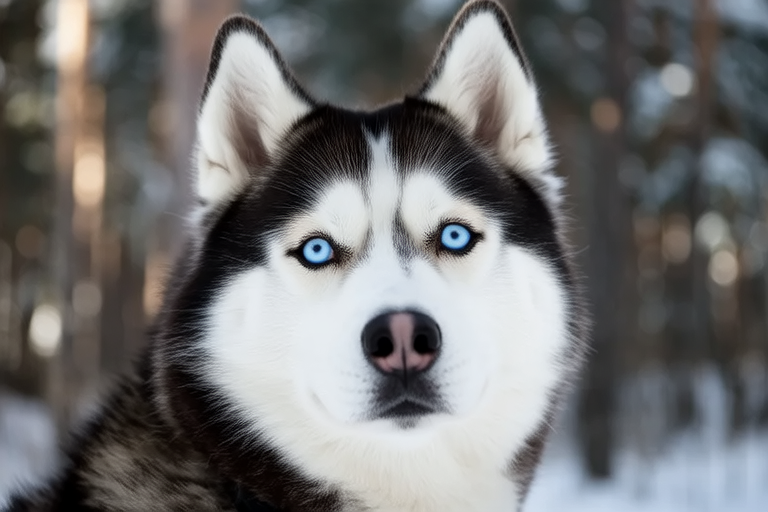
Siberian Huskies: Unleashing the Mystery Behind Their Magnetic Eyes
When it comes to dogs, few breeds command attention quite like the Siberian Husky. Known for their striking blue or multi-colored eyes, these majestic creatures have captured the hearts of many. But what exactly makes their eyes so captivating? In this article, we will explore the unique characteristics of Siberian Huskies’ eyes, delving into their striking appearance, genetic reasons behind their eye colors, their health implications, and how these features contribute to their allure. We’ll also discuss the historical background of the breed, their role in sled racing, and popular myths surrounding their mesmerizing gaze. Additionally, we’ll provide tips for potential owners and share fascinating facts about their intelligence and behavior.
The Historical Background of Siberian Huskies
Siberian Huskies originated from Siberia, where they were bred by the Chukchi people as working dogs. These nomadic tribes relied heavily on the dogs for transportation, pulling sleds across vast distances in harsh conditions. The dogs were prized for their endurance, speed, and ability to withstand extreme temperatures. Over time, Siberian Huskies became an integral part of Chukchi culture, playing a crucial role in daily life.
In the early 20th century, Siberian Huskies were introduced to North America, where they quickly gained popularity. They were initially brought over for sled racing, but their friendly nature and striking appearance made them desirable pets. Today, Siberian Huskies are one of the most recognizable dog breeds, known for their distinctive blue or multi-colored eyes and thick, bushy coats.
The Role of Siberian Huskies in Sled Racing
Siberian Huskies are renowned for their prowess in sled racing, a sport that tests both the strength and endurance of the dogs. These dogs are well-suited for the task, thanks to their natural athleticism and strong work ethic. They can run at speeds of up to 20 miles per hour for long periods, making them ideal for racing over long distances.
The first official sled race featuring Siberian Huskies was the All-Alaska Sweepstakes Race in 1908. This race was held annually and attracted competitors from all over Alaska. The most famous race involving Siberian Huskies is the Iditarod Trail Sled Dog Race, which commemorates the 1925 serum run to Nome. During this event, a team of Siberian Huskies led by Balto delivered diphtheria antitoxin to the city of Nome, saving countless lives.
The Genetic Reasons Behind Siberian Huskies’ Eye Colors
The striking appearance of Siberian Huskies is due in large part to their unique eye coloration. While most dog breeds have brown eyes, Siberian Huskies can have blue, green, amber, or even heterochromia (two different colored eyes). This diversity in eye color is the result of a gene mutation that affects the production of melanin, the pigment responsible for eye color.
The gene responsible for blue eyes in Siberian Huskies is recessive, meaning both parents must carry the gene for a puppy to inherit it. However, the gene that causes heterochromia is dominant, so even if only one parent carries the gene, there’s a chance the offspring will have two different colored eyes. This genetic variability is what gives Siberian Huskies their distinctive appearance and contributes to their allure.
Health Implications of Siberian Huskies’ Eye Colors
While the unique eye colors of Siberian Huskies are a source of fascination, they can also come with certain health implications. Blue-eyed Siberian Huskies are more prone to developing certain eye conditions, such as progressive retinal atrophy (PRA), cataracts, and glaucoma. These conditions can lead to vision loss or blindness if left untreated.
It’s important for owners of Siberian Huskies to be aware of these potential health issues and take steps to prevent them. Regular eye exams by a veterinarian can help catch any problems early and ensure your dog receives the necessary treatment. Additionally, maintaining a healthy diet and providing proper care can help reduce the risk of eye-related health issues.
The Fascinating Facts About Siberian Huskies’ Intelligence and Behavior
Siberian Huskies are not only known for their striking appearance but also for their intelligence and unique behavior. These dogs are highly social and enjoy being around people, making them excellent companions. However, they are also independent thinkers and can be stubborn at times, which requires patience and consistency when training.
Siberian Huskies are intelligent and quick learners, but they need mental stimulation to stay happy and healthy. Providing them with toys, puzzles, and activities can help keep their minds sharp and prevent boredom. They are also highly active dogs, requiring regular exercise to burn off excess energy. A daily walk or jog is essential for keeping your Siberian Husky physically and mentally fit.
Tips for Potential Owners
If you’re considering adopting a Siberian Husky, there are several things to keep in mind. First and foremost, these dogs require a lot of exercise and mental stimulation, so make sure you have the time and resources to meet their needs. Siberian Huskies are also known for their escape artist tendencies, so it’s important to secure your yard and keep an eye on them when outdoors.
Additionally, Siberian Huskies are social animals and thrive in environments where they receive plenty of attention and affection. They are generally good with children and other pets, but it’s always a good idea to introduce them gradually to new environments and individuals. Finally, Siberian Huskies are vocal dogs and may bark or howl, so consider this when choosing a living space.
Popular Myths Surrounding Siberian Huskies’ Mesmerizing Gaze
There are several popular myths surrounding the mesmerizing gaze of Siberian Huskies. One common myth is that their blue eyes give them some sort of hypnotic power over humans. While their eyes are certainly striking, there’s no scientific evidence to support this claim. Another myth is that Siberian Huskies are more likely to be aggressive or dangerous due to their wolf-like appearance. In reality, Siberian Huskies are generally friendly and sociable, making them excellent family pets.
Finally, some people believe that Siberian Huskies are less intelligent than other breeds due to their independent nature. While they may be more challenging to train, Siberian Huskies are actually very intelligent and capable of learning complex commands and tasks with proper guidance.
Conclusion
Siberian Huskies are truly remarkable dogs, known for their striking appearance, intelligence, and unique behavior. Their captivating eyes, whether blue, green, amber, or multi-colored, are a testament to their genetic diversity and adaptability. Understanding the history, genetics, and health implications of Siberian Huskies’ eye colors can help owners better care for their furry friends and appreciate the breed’s many qualities.
Whether you’re a seasoned dog owner or considering adding a Siberian Husky to your family, these dogs offer a lifetime of companionship and joy. With proper care, attention, and training, Siberian Huskies can become loyal and loving members of any household.
