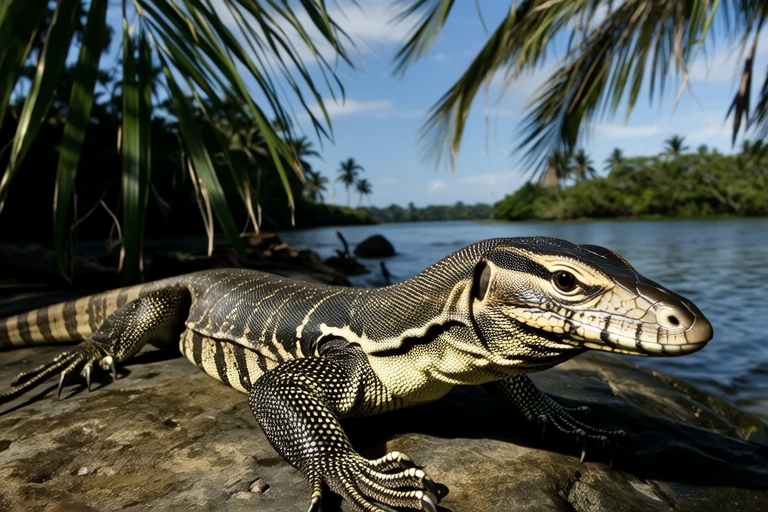
The Fascinating World of Water Monitors: Tips and Tricks for First-Time Owners
Welcome to the fascinating world of water monitors! These incredible reptiles, scientifically known as Varanus salvator, are among the largest lizards in the world, captivating owners with their unique characteristics and impressive abilities. As a first-time owner, you’re about to embark on an exciting journey filled with learning and discovery. This guide will help you understand the essentials of owning a water monitor, from their natural habitat to proper care and maintenance.
Introduction: Unique Characteristics of Water Monitors
Water monitors (Varanus salvator) are native to Southeast Asia, where they inhabit a variety of environments including forests, grasslands, and wetlands. They are highly adaptable creatures, thriving both on land and in water. Their long, muscular tails aid in swimming, while their sharp claws assist them in climbing trees and digging burrows. Water monitors can grow up to 8 feet in length and weigh over 50 pounds, making them a significant responsibility for any owner. Their diet consists mainly of fish, frogs, insects, and small mammals, which they hunt both on land and in water.
Natural Habitat and Diet Requirements
Understanding your water monitor’s natural habitat is crucial for providing the best possible living conditions. In the wild, water monitors live in areas with high humidity and temperatures ranging from 80°F to 90°F during the day and dropping slightly at night. They enjoy basking in the sun to regulate their body temperature and soak in water to maintain hydration. Replicating these conditions in captivity requires careful attention to temperature, humidity, and lighting.
Diet-wise, water monitors are carnivorous and require a balanced diet rich in protein. Younger monitors eat mostly insects, but as they grow, their diet should include larger prey such as mice, chicks, and fish. It’s important to offer a variety of food items to ensure they receive all necessary nutrients. Always ensure that the food is appropriately sized for your monitor; oversized prey can cause digestive issues.
Necessary Living Conditions for Optimal Health
To keep your water monitor healthy, it’s vital to provide an appropriate enclosure that mimics its natural environment. A spacious terrarium or aquarium is necessary, ideally measuring at least 6 feet in length, 3 feet in width, and 4 feet in height for an adult monitor. The enclosure should be equipped with a secure top to prevent escapes. Proper ventilation is also essential to maintain air circulation.
Temperature control is critical for your monitor’s well-being. Install multiple heat sources, including a basking lamp and under-tank heaters, to create a thermal gradient within the enclosure. The basking area should reach around 95°F to 100°F, while the cooler side should remain between 75°F and 85°F. Use a reliable thermometer to monitor these temperatures accurately. Additionally, a UVB light source is necessary to facilitate calcium absorption and promote overall health.
Humidity levels should be maintained between 70% and 80%. This can be achieved by misting the enclosure daily and providing a large water dish for soaking. Substrate options include coconut fiber, cypress mulch, or reptile-safe bark chips, which help retain moisture and provide a natural feel for the monitor. Avoid using sand or gravel, as these can lead to impaction if ingested.
Essential Tips on Handling, Feeding, and Maintaining the Enclosure
Handling your water monitor requires patience and caution. Always approach slowly and gently, allowing your monitor to become accustomed to your presence. Start by offering treats and gradually build trust. Once comfortable, you can begin handling sessions, ensuring your hands are clean and free of any strong odors that might trigger defensive behavior. Never handle your monitor when it is eating or immediately after feeding, as this can provoke aggression.
Feeding your water monitor should be done in a separate container to avoid substrate ingestion. Offer a varied diet consisting of pre-killed or frozen-thawed prey items. Feed younger monitors daily, reducing frequency to every other day or less as they mature. Always remove uneaten food promptly to prevent spoilage and potential bacterial growth. Monitor their weight and adjust feeding amounts accordingly to maintain a healthy body condition.
Maintaining the enclosure involves regular cleaning to prevent the buildup of bacteria and parasites. Remove waste daily and perform thorough cleaning once a week. Disinfect all surfaces and equipment using a reptile-safe cleaner, then rinse thoroughly and allow everything to dry completely before replacing substrates and decorations. Regularly check the water dish for cleanliness and refill as needed. Clean the UVB bulb and replace it every six months to ensure optimal output.
Selecting the Right Accessories and Toys to Stimulate Activity
Providing enrichment for your water monitor is essential for its mental and physical stimulation. Incorporate various accessories and toys into the enclosure to encourage exploration and exercise. Branches and rocks serve as climbing structures, while cork bark pieces offer hiding spots. Floating logs and artificial plants can be added to the water dish to create a more naturalistic environment. Rotate these items periodically to maintain interest and prevent boredom.
Interactive toys, such as puzzle feeders or treat-dispensing balls, can further engage your monitor’s problem-solving skills. These items encourage foraging behaviors and provide mental stimulation. Additionally, consider offering novel objects occasionally, like cardboard boxes or paper bags, to introduce new textures and experiences. Always supervise your monitor during playtime to ensure safety and prevent accidental injury.
Common Health Issues and When to Seek Veterinary Care
Despite proper care, water monitors may still encounter health issues. Common problems include respiratory infections, metabolic bone disease, and parasites. Respiratory infections often manifest as nasal discharge, wheezing, or labored breathing. Metabolic bone disease results from calcium deficiency and presents as weak bones, difficulty moving, or swollen limbs. Parasites can cause diarrhea, weight loss, or lethargy.
If you notice any signs of illness or abnormal behavior, consult a veterinarian specializing in exotic pets immediately. Early intervention is key to successful treatment and recovery. Regular check-ups are also recommended to monitor your monitor’s overall health and catch any potential issues before they escalate. Keep a record of your monitor’s feeding habits, shedding patterns, and any changes in behavior to share with your vet during appointments.
In conclusion, owning a water monitor is a rewarding experience filled with opportunities for learning and bonding. By understanding their unique needs and providing the right care, you can ensure a long and healthy life for your scaly companion. Remember to always prioritize your monitor’s welfare and seek professional advice whenever necessary. Happy monitoring!
