Uncover the Unique Behaviors and Care Tips for Coral Shrimp
Coral shrimp, also known as Stenopus hispidus, are fascinating creatures that have captivated the hearts of many aquarists. These small, vibrant crustaceans bring life and color to marine aquariums, making them a popular choice among hobbyists. This article delves into the world of coral shrimp, exploring their unique behaviors, habitat preferences, and essential care tips to ensure they thrive in your tank.
Introduction to Coral Shrimp
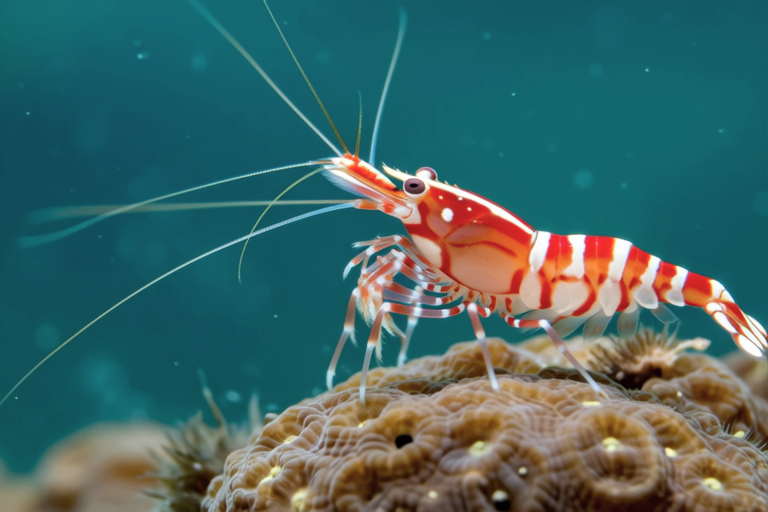
Coral shrimp are native to the tropical waters of the Indo-Pacific region, specifically found in areas like the Red Sea, the Indian Ocean, and parts of the Pacific Ocean. They are typically found in shallow reefs, where they can scavenge for food and hide from predators. These shrimp are often seen cleaning other fish, earning them the nickname “cleaner shrimp.” Their striking appearance, characterized by bright red bodies adorned with white spots, makes them an attractive addition to any saltwater aquarium.
Unique Behaviors
Social Interactions
Coral shrimp are generally peaceful and non-aggressive towards other tank inhabitants. However, they are known to form monogamous pairs, living together in close proximity. In the wild, these pairs will establish a territory within a reef, where they perform their cleaning duties. In captivity, it’s important to provide ample hiding spots and caves for them to feel secure. They tend to be territorial towards their own species, so it’s best to keep only one pair per tank.
Feeding Habits
Coral shrimp are omnivorous, meaning they consume both plant and animal matter. In the wild, they primarily feed on detritus, algae, and small organisms such as plankton. In captivity, they will readily accept a variety of foods, including prepared frozen or live foods like brine shrimp, mysis shrimp, and chopped seafood. It’s essential to offer a balanced diet to ensure optimal health. Additionally, coral shrimp will scavenge for leftover food in the aquarium, helping to maintain water quality.
Environmental Preferences
Coral shrimp prefer environments rich in coral and rock structures, which provide numerous hiding spots and surfaces for algae growth. They enjoy swimming through the water column but also spend time clinging to rocks and corals. To mimic their natural habitat, it’s recommended to include plenty of live rock, branching corals, and caves in your aquarium setup. Maintaining a stable temperature between 72-82°F (22-28°C) and a pH level around 8.1-8.4 is crucial for their well-being.
Detailed Care Tips
Diet
Providing a varied diet is key to maintaining the health of your coral shrimp. In addition to commercial foods, you can supplement their diet with fresh vegetables like spinach or zucchini, finely chopped. Feeding them twice daily ensures they receive adequate nutrition. Overfeeding should be avoided to prevent water quality issues. It’s also beneficial to occasionally introduce vitamin supplements to support their overall health.
Tank Setup Requirements
A minimum tank size of 30 gallons is recommended for a single pair of coral shrimp. The tank should be well-established, with mature live rock and robust filtration systems. A high-quality protein skimmer is essential for maintaining clean water and removing excess nutrients. Proper lighting is important for encouraging algae growth, which serves as part of their diet. A combination of LED and metal halide lights works well for most setups.
Water Parameters
Maintaining stable water parameters is critical for the health of coral shrimp. Regular water testing should be performed to monitor levels of ammonia, nitrite, and nitrate. Ammonia and nitrite should be kept at zero, while nitrate levels should remain below 20 ppm. Water hardness should range between 8-12 dKH, and calcium levels should be maintained at 350-450 ppm. Weekly partial water changes of 10-20% help to keep these parameters in check.
Common Health Issues
Coral shrimp are relatively hardy creatures, but they can still face health challenges. One common issue is stress-induced molting, where the shrimp sheds its exoskeleton prematurely due to poor water conditions or aggression from other tankmates. Another concern is parasitic infections, which can lead to lethargy, loss of appetite, and discoloration. Regular observation and prompt action when signs of illness appear can help prevent more serious problems.
Acclimating Coral Shrimp to a New Aquarium
Proper acclimation is crucial to ensure the successful introduction of coral shrimp to your aquarium. Begin by floating the shrimp bag in the aquarium for about 15 minutes to equalize temperatures. Then, slowly add small amounts of aquarium water to the bag over the course of 30-60 minutes. Once acclimated, carefully release the shrimp into the tank, ensuring they have access to hiding spots. Avoid placing them directly into the main tank flow to prevent stress.
Maintaining Health
To maintain the health of your coral shrimp, regular maintenance practices should be followed. Perform routine water changes, clean equipment, and monitor water parameters. Providing a diverse and nutritious diet helps boost their immune system. Quarantine new additions to the tank for at least two weeks before introducing them to avoid introducing potential pathogens. Regularly observe their behavior and physical condition to catch any early signs of distress or disease.
The Joys of Keeping Coral Shrimp as Pets
Keeping coral shrimp as pets offers numerous benefits. Their unique behaviors, such as cleaning other fish and forming monogamous pairs, provide endless entertainment. Their vibrant colors and active nature enhance the visual appeal of any aquarium. Coral shrimp also play a vital role in maintaining tank hygiene by scavenging for uneaten food and detritus. Their presence adds a sense of community and ecological balance to the aquarium environment.
Recent Developments and Trends in Coral Shrimp Care
In recent years, advancements in aquarium technology have improved the care of coral shrimp. New filtration systems and lighting technologies have made it easier to create optimal environments. There has also been increased awareness regarding the importance of quarantine and disease prevention. Some aquarists are experimenting with different dietary supplements and enrichment techniques to promote longevity and breeding success. Additionally, there is growing interest in sustainable sourcing and ethical practices when acquiring coral shrimp for the aquarium trade.
In conclusion, coral shrimp are captivating and rewarding pets that bring beauty and functionality to saltwater aquariums. By understanding their unique behaviors and providing proper care, you can ensure a thriving and healthy environment for these fascinating creatures. Whether you’re a novice or experienced aquarist, adding coral shrimp to your tank can enhance your aquatic experience and deepen your connection with these remarkable animals.
