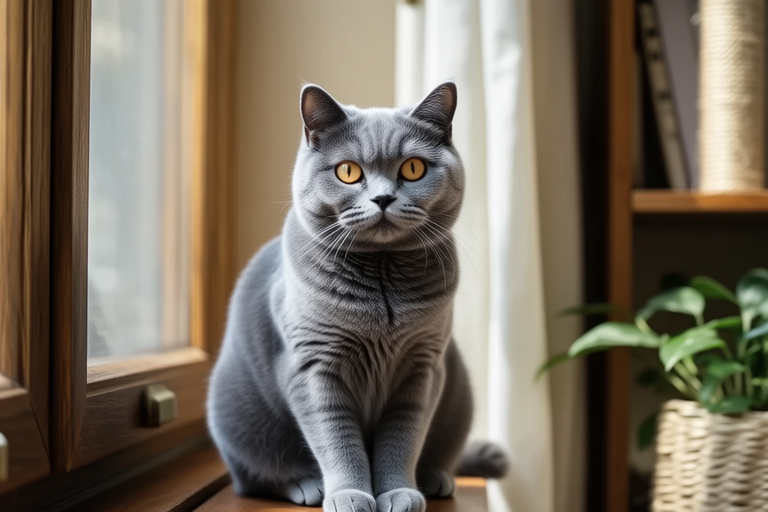
The Intriguing Temperament of the American Shorthair Cat
The American Shorthair is a breed of cat that has been cherished for centuries for its robust health, friendly demeanor, and striking appearance. Originating from European ancestors who arrived in North America during the colonial era, these cats were initially brought over as mousers. Over time, they evolved into the beloved pets we know today. This article delves into the fascinating temperament of the American Shorthair, exploring its rich history, physical traits, and unique behavioral characteristics.
A Brief History and Physical Traits
The American Shorthair has a long and storied history dating back to the early settlers of North America. These cats were originally brought over from Europe to help control rodent populations on ships and in settlements. As they adapted to their new environment, they became a popular choice among farmers and families for their effectiveness as hunters and companions. In 1906, the American Shorthair was officially recognized by the Cat Fanciers’ Association (CFA), marking the beginning of its journey as a formal breed.
Physically, the American Shorthair is a medium to large-sized cat, typically weighing between 8 to 15 pounds. They have a muscular build, short but thick coat, and wide heads with rounded cheeks. Their eyes are large and expressive, often reflecting their calm and intelligent nature. The breed comes in various colors and patterns, adding to its visual appeal. Their dense, short fur requires minimal grooming, making them an ideal choice for busy households or those with limited time for extensive pet care.
Unraveling the Mysteries Behind Their Lovable Personality
One of the most endearing aspects of the American Shorthair is its friendly and approachable demeanor. These cats are known for their gentle and affectionate nature, which makes them perfect companions for families, singles, and older adults alike. Their sociability extends beyond just humans; they tend to get along well with other pets, making them a great addition to multi-pet households. However, it is important to note that early socialization is key to ensuring a harmonious coexistence with other animals.
Playfulness is another hallmark of the American Shorthair’s temperament. While they may not be as hyperactive as some other breeds, these cats enjoy interactive play sessions that stimulate both their minds and bodies. Providing them with toys that encourage hunting instincts, such as feather wands or puzzle feeders, can help keep them entertained and mentally engaged. Additionally, regular playtime helps strengthen the bond between you and your feline friend.
Adaptability is perhaps one of the most impressive traits of the American Shorthair. Whether living in a bustling city apartment or a quiet countryside home, these cats can easily adjust to different environments. Their calm and laid-back personalities make them particularly suited for households with young children or elderly individuals. They are patient and tolerant, rarely displaying aggressive behavior, even when provoked. This adaptability also means that they can thrive in a variety of climates, from hot summers to cold winters.
Behavior Around Children, Other Pets, and Strangers
The American Shorthair’s temperament makes it an excellent choice for families with children. Their gentle nature and patience allow them to tolerate the occasional roughhousing or accidental mishandling that may come with having kids around. However, it is still essential to supervise interactions between children and pets to ensure everyone’s safety and well-being. Teaching children proper handling techniques and respect for boundaries will foster a positive relationship between them.
When introduced properly, American Shorthairs generally get along well with other pets, including dogs and other cats. Early socialization plays a crucial role in promoting peaceful cohabitation within a household. Introducing new pets gradually and under controlled conditions can help minimize any potential conflicts. It is also advisable to provide each animal with its own space and resources, such as food bowls, litter boxes, and resting areas, to prevent competition or territorial disputes.
Strangers may find the American Shorthair to be somewhat reserved at first, but with time and exposure, they usually warm up to new people. Unlike some breeds that might become overly attached to their primary caregivers, American Shorthairs tend to be more relaxed and accepting of visitors. This trait can make them less likely to become stressed or anxious in the presence of unfamiliar faces, which is beneficial for households that frequently entertain guests.
Grooming Habits and Care Requirements
One of the most appealing aspects of owning an American Shorthair is its low-maintenance grooming needs. Their short, dense coat sheds moderately throughout the year but does not require daily brushing. A weekly brushing session using a slicker brush or comb can help remove loose hair and prevent matting. During seasonal shedding periods, especially in spring and fall, increasing the frequency of grooming can help manage excess fur.
Beyond basic grooming, maintaining good dental hygiene is crucial for the overall health of your American Shorthair. Regular teeth brushing using a cat-safe toothpaste and specialized toothbrush can help prevent dental issues such as tartar buildup and gum disease. Additionally, providing chew toys designed to promote oral health can contribute to keeping your cat’s teeth clean and strong.
Providing a balanced diet that meets all nutritional requirements is essential for the well-being of your American Shorthair. High-quality commercial cat foods formulated for adult cats are generally sufficient, but consulting with a veterinarian about specific dietary needs based on age, weight, and activity level is always recommended. Avoiding overfeeding and monitoring portion sizes can help prevent obesity, which is common in indoor cats.
Advice for Potential Owners
If you’re considering bringing an American Shorthair into your home, there are several steps you can take to ensure a smooth transition and deepen your bond with this wonderful breed. First and foremost, creating a welcoming environment that caters to their natural instincts is vital. Providing scratching posts, climbing trees, and hiding spots allows them to express their innate behaviors while feeling secure in their surroundings.
Spend quality time interacting with your American Shorthair through play sessions, training exercises, and simply spending quiet moments together. Positive reinforcement techniques, such as rewarding desired behaviors with treats or praise, can help establish trust and mutual understanding. Encouraging your cat to engage in activities that stimulate both body and mind will contribute to their overall happiness and mental well-being.
Lastly, prioritize regular veterinary check-ups and preventive healthcare measures to maintain your American Shorthair’s optimal health. Vaccinations, parasite control, and routine screenings are essential components of responsible pet ownership. By addressing potential health concerns early on and providing timely medical attention, you can help ensure a long and healthy life for your furry companion.
In conclusion, the American Shorthair offers a delightful blend of charm, intelligence, and adaptability that makes it an exceptional choice for many households. Its friendly disposition, playful spirit, and ease of care make it a favorite among cat enthusiasts and newcomers alike. By understanding and appreciating the unique temperament of this breed, you can create a loving and fulfilling relationship with your American Shorthair, ensuring years of joy and companionship.
