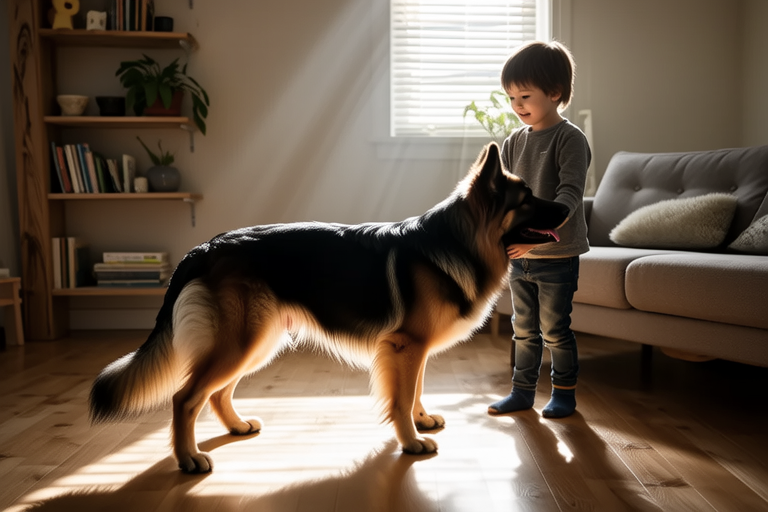
Top 10 Reasons Why Every Family Should Consider a German Shepherd
Introduction:
German Shepherds are one of the most popular dog breeds in the world, known for their loyalty, intelligence, and versatility. This article will explore the top 10 reasons why every family should consider adding a German Shepherd to their household. From their exceptional loyalty to their role in therapy and service roles, these dogs offer numerous benefits that make them an ideal choice for families.
1. Unmatched Loyalty: A True Companion
German Shepherds are renowned for their unwavering loyalty. They form deep bonds with their owners, making them excellent companions. Their loyalty extends beyond just being affectionate; they are also protective and attentive, always ready to defend their family. For instance, my friend’s German Shepherd, Max, once alerted the entire neighborhood when he sensed a prowler outside their home. His immediate response showcased his protective instincts and dedication to his family’s safety.
However, it’s crucial to remember that this loyalty requires commitment from the owner. Regular interaction, training, and care are essential to maintain a strong bond. Responsible pet ownership means dedicating time and effort to ensure your German Shepherd feels loved and secure.
2. Exceptional Intelligence: A Quick Learner
German Shepherds rank highly in terms of intelligence among dog breeds. This makes them quick learners, capable of understanding commands and performing complex tasks. Their cognitive abilities enable them to excel in various roles, from police work to search and rescue missions. Training a German Shepherd can be both challenging and rewarding, as they respond well to consistent and positive reinforcement.
For example, my neighbor’s German Shepherd, Bella, learned basic obedience commands within a few weeks of training. Her intelligence also allowed her to learn more advanced tricks and even participate in agility competitions. However, it’s important to note that intelligence without proper guidance can lead to behavioral issues. Therefore, investing in professional training and consistent practice at home is vital for a well-behaved German Shepherd.
3. Protective Nature: Your Family’s Guardian
One of the most cherished traits of German Shepherds is their natural protective instinct. They are alert and vigilant, always on the lookout for potential threats. Their protective nature makes them an excellent choice for families looking for a guardian. In addition to being watchful, they are also brave and courageous, ready to face any danger that threatens their family.
It’s important to balance their protective instincts with socialization and training. Exposing them to different people, environments, and situations helps prevent aggression and ensures they remain friendly and approachable. Responsible pet ownership includes ensuring your German Shepherd is well-socialized and trained to differentiate between real threats and harmless encounters.
4. Adaptability: Thriving in Various Environments
German Shepherds are highly adaptable, capable of thriving in various environments, from urban apartments to rural farms. Their ability to adjust to different living conditions makes them suitable for families in diverse settings. Whether you live in a small apartment or a large house, a German Shepherd can fit into your lifestyle with ease.
However, it’s important to provide them with the right environment to meet their physical and mental needs. While they can adapt to smaller spaces, they require regular exercise and mental stimulation to stay healthy and happy. Ensuring they have enough space to run and play, along with interactive toys and puzzles, can help keep them engaged and satisfied in any environment.
5. Trainability: The Perfect Partner for Active Families
German Shepherds are highly trainable, making them ideal partners for active families. Their eagerness to please and willingness to learn make them responsive to training. Whether you’re teaching them basic obedience commands or advanced tricks, German Shepherds are quick to pick up new skills. Their trainability also extends to specialized roles, such as therapy and service work.
For instance, my cousin’s German Shepherd, Rocky, was trained as a therapy dog. He visits hospitals and nursing homes, providing comfort and joy to patients through his gentle demeanor and loving presence. Training a German Shepherd requires patience, consistency, and positive reinforcement, but the rewards are immeasurable.
6. Compatibility with Children: A Playful Companion
German Shepherds are generally very compatible with children, making them excellent family pets. Their playful and gentle nature allows them to interact positively with kids, creating a strong bond between generations. However, it’s important to supervise interactions between young children and dogs to ensure safety and proper behavior.
My sister’s German Shepherd, Daisy, has been a constant source of joy for her two young children. They enjoy playing fetch together and cuddling on the couch. Teaching children how to properly handle and respect the dog is essential for a harmonious relationship. Responsible pet ownership includes educating children about the importance of gentle handling and respectful communication with their furry companion.
7. Exercise Needs: Keeping Fit Together
German Shepherds are energetic dogs that require regular exercise to maintain their physical and mental well-being. Their high energy levels make them perfect companions for active families. Engaging in activities such as running, hiking, and playing fetch can help satisfy their need for physical activity and mental stimulation.
Regular exercise not only keeps your German Shepherd healthy but also helps prevent behavioral issues caused by boredom or excess energy. It’s important to tailor the exercise routine to suit your dog’s age, size, and health condition. Consulting with a veterinarian can provide valuable insights into the appropriate level of activity for your German Shepherd.
8. Grooming Requirements: A Little Maintenance Goes a Long Way
German Shepherds have a thick double coat that requires regular grooming to maintain its health and appearance. Their coat sheds seasonally and may need brushing several times a week to prevent matting and reduce shedding. Additionally, bathing them every few months and trimming their nails regularly are essential aspects of their grooming routine.
Proper grooming not only keeps your German Shepherd clean and comfortable but also promotes skin health and prevents infections. Investing in quality grooming tools and learning basic grooming techniques can save time and money in the long run. Responsible pet ownership includes committing to a consistent grooming schedule to ensure your dog remains healthy and well-groomed.
9. Health Considerations: Prioritizing Wellness
Like all breeds, German Shepherds are prone to certain health issues. Hip dysplasia, elbow dysplasia, and degenerative myelopathy are common concerns that can affect their mobility and overall health. Regular veterinary check-ups, a balanced diet, and proper exercise can help mitigate these risks and ensure your German Shepherd lives a long and healthy life.
It’s important to choose a reputable breeder who prioritizes the health and well-being of their dogs. Responsible pet ownership includes researching breed-specific health concerns and taking proactive steps to prevent or manage them. Consultation with a veterinarian can provide personalized advice on maintaining your German Shepherd’s optimal health.
10. Therapy and Service Roles: Making a Difference
Beyond being loyal and protective companions, German Shepherds have a significant impact in therapy and service roles. Their intelligence, trainability, and gentle nature make them ideal candidates for these roles. They can assist individuals with disabilities, provide emotional support, and bring comfort to those in need.
For example, my aunt’s German Shepherd, Luna, works as a service dog for a person with a mobility impairment. Her steadfast support and companionship have greatly improved her owner’s quality of life. Engaging your German Shepherd in therapy or service roles can be a rewarding experience for both you and your dog. However, it requires specialized training and certification, which can be achieved through accredited programs.
Conclusion:
German Shepherds are remarkable dogs that offer numerous benefits to families. From their unmatched loyalty and exceptional intelligence to their protective nature and adaptability, they are versatile companions that enrich the lives of those around them. By considering the unique characteristics and needs of German Shepherds, families can make informed decisions about responsible pet ownership and ensure a lifetime of happiness and fulfillment with their four-legged friends.
