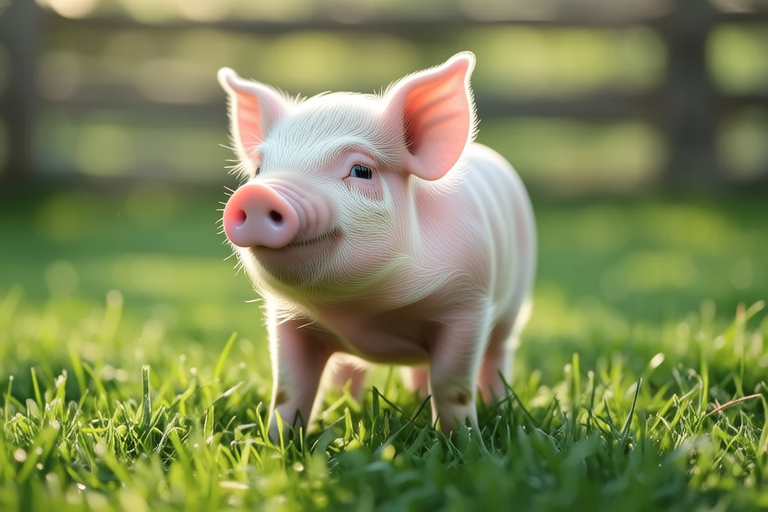
Mini Pigs Unveiled: Myths, Realities, and Heartwarming Stories
Welcome to the fascinating world of mini pigs! These intelligent and affectionate creatures have become increasingly popular as pets over the past few decades. Their unique charm, combined with their relatively small size, has captivated the hearts of many animal lovers. However, owning a mini pig comes with its own set of responsibilities and challenges. This article aims to provide you with accurate information about these adorable animals, dispelling common myths and sharing heartwarming stories from their devoted owners.
Introduction to Mini Pigs
Mini pigs, also known as teacup pigs or micro pigs, are a smaller breed of domesticated pigs. They have gained significant popularity as companion animals due to their friendly nature and compact size. While they are often marketed as “tiny” or “toy-sized,” it is important to understand that mini pigs can still grow quite large, even though they may start out as tiny babies. Their intelligence and social nature make them excellent companions for those who are willing to invest time and effort into their care.
Common Myths About Mini Pigs
Myth 1: Mini Pigs Stay Tiny Forever
One of the most prevalent misconceptions about mini pigs is that they remain small throughout their lives. While some mini pigs do stay relatively small, many grow to be much larger than expected. The average weight range for a fully grown mini pig can vary widely depending on the breed and genetics, but it is not uncommon for them to reach weights between 50 to 200 pounds. It’s crucial for potential owners to research thoroughly before bringing one home.
Myth 2: Mini Pigs Are Low-Maintenance Pets
Another misconception is that mini pigs require minimal care. In reality, mini pigs have specific dietary needs, exercise requirements, and grooming routines. They need a balanced diet rich in nutrients, regular physical activity to maintain their health, and proper hygiene care. Owners must also ensure that their living spaces are clean and safe, providing ample room for them to move around comfortably.
Myth 3: Mini Pigs Are Easy to Housebreak
While mini pigs can be trained to use litter boxes or outdoor areas, housebreaking them is not always straightforward. Like any other animal, consistency and patience are key when training mini pigs. Positive reinforcement techniques such as treats and praise work well in encouraging good behavior. However, accidents can still happen, so it’s essential to approach training with realistic expectations.
Realities of Owning a Mini Pig
Size
As mentioned earlier, mini pigs come in various sizes. Some breeds tend to stay smaller, while others may grow significantly larger. It’s vital for prospective owners to consult with reputable breeders who can provide accurate information about the expected adult size of their piglets. Understanding the potential size of your mini pig will help you prepare adequately for its housing and lifestyle needs.
Dietary Needs
Mini pigs have specific dietary requirements to ensure their overall health and well-being. A balanced diet typically consists of high-quality commercial pig feed formulated for their nutritional needs. Avoid feeding them human foods, especially those high in sugar, salt, or fats, as these can lead to obesity and other health issues. Additionally, fresh water should always be available to keep them hydrated.
Living Space Requirements
Providing adequate living space is crucial for the happiness and comfort of your mini pig. While they don’t necessarily need vast areas like full-size pigs, they still require sufficient room to move around freely. Indoor enclosures should include comfortable bedding, toys, and hiding spots. Outdoor pens should offer protection from harsh weather conditions and predators. Ensuring that your mini pig has access to both indoor and outdoor spaces allows it to explore and stay active.
Health Considerations
Regular veterinary check-ups are essential for maintaining the health of your mini pig. Common health issues include dental problems, skin infections, and respiratory illnesses. Proper nutrition, hygiene practices, and timely medical attention can help prevent many of these concerns. Vaccinations and deworming treatments should be part of routine healthcare to protect against infectious diseases.
Training and Behavior
Training Techniques
Mini pigs are highly intelligent and trainable animals. Positive reinforcement methods, such as offering treats and verbal praise, are effective in teaching them commands and desired behaviors. Consistency is key when training; establishing clear rules and boundaries helps create a well-behaved pet. Training sessions should be short yet frequent, ensuring that both you and your mini pig enjoy the process.
Typical Behaviors
Mini pigs exhibit a range of behaviors that reflect their natural instincts and personalities. They are social creatures that enjoy interacting with their owners and other animals. Playful activities, such as playing fetch or tug-of-war, can strengthen the bond between you and your mini pig. Additionally, they may display curiosity by investigating new objects or environments, making them fun companions for exploring together.
Heartwarming Stories
Story 1: Sarah and Her Mini Pig Buddy
Sarah adopted her mini pig, Buddy, when he was just a few weeks old. From the moment she brought him home, Buddy became an integral part of her family. He quickly learned to respond to basic commands and even accompanied Sarah on daily walks around the neighborhood. Sarah shared, “Buddy has brought so much joy into our lives. His loyalty and companionship have been priceless.”
Story 2: John and His Mini Pig Companion
John rescued his mini pig, Daisy, from a local shelter. Despite initial challenges in building trust, Daisy soon blossomed under John’s loving care. Today, Daisy enjoys snuggling up next to John during movie nights and going on adventures in nearby parks. John expressed, “Daisy has taught me the true meaning of unconditional love. She enriches my life every day.”
Conclusion
Owning a mini pig can be a rewarding experience for those willing to commit to their care and well-being. By understanding the realities of mini pig ownership, dispelling common myths, and embracing the joys of their companionship, you can form a strong bond with these wonderful animals. Remember to approach mini pig ownership with responsibility and dedication, ensuring that both you and your mini pig thrive in your shared journey together.
