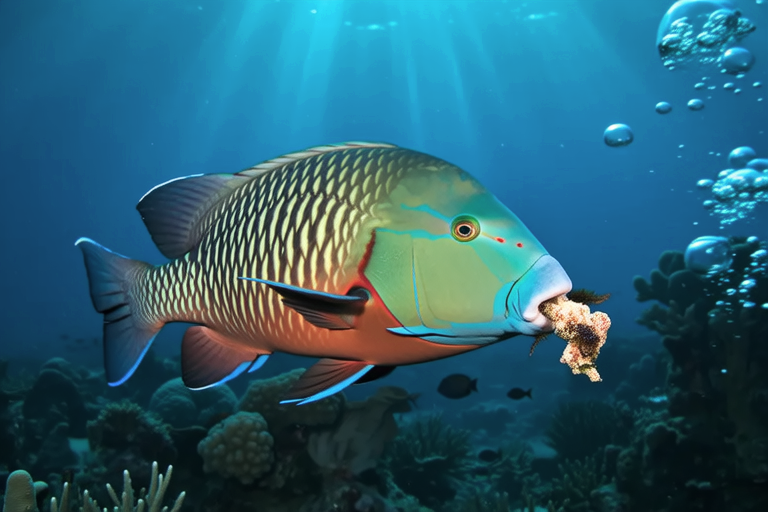
The Unique Eating Habits of Parrot Fish That Will Amaze You
Parrot fish are a diverse group of tropical marine fish that belong to the family Scaridae. Known for their bright colors and beak-like mouths, these fascinating creatures play a crucial role in the ecological balance of coral reefs. They are found in warm ocean waters around the world, particularly in the Indo-Pacific region and the Caribbean Sea. With over 90 species, parrot fish range from small to large sizes, each contributing uniquely to their environment. This article delves into the unique eating habits of parrot fish, detailing their dietary preferences, digestive processes, and the significant impact of their feeding behaviors on marine ecosystems.
The Ecological Role of Parrot Fish
Parrot fish are essential to coral reef ecosystems, serving as herbivores that graze on algae, helping to maintain the health of coral structures. Their presence ensures that algae do not overgrow and smother corals, which could lead to the death of the reef. By keeping algae populations in check, parrot fish indirectly support the survival of countless other marine organisms that rely on healthy coral reefs for habitat and food.
Digesting Coral: A Unique Adaptation
One of the most remarkable aspects of parrot fish is their ability to consume and digest coral polyps. Using their powerful beaks, they scrape away at the surface of coral reefs, ingesting the algae and polyps that reside there. This feeding behavior is not only vital for their nutrition but also plays a critical role in shaping the structure of the reef. The process begins when the fish uses its strong teeth to break off pieces of coral, which are then ground down in their pharyngeal mill – a specialized set of plates located in the throat. This grinding mechanism crushes the coral into tiny fragments, making it easier to digest.
What makes this process even more extraordinary is the way parrot fish handle the calcium carbonate that composes the coral. Instead of absorbing the calcium directly, the fish excrete it through their gills, forming sand. This phenomenon is known as ‘biogenic sediment production,’ and it contributes significantly to the formation of beaches and islands in tropical areas. Thus, parrot fish indirectly help in the creation of new landmasses, showcasing the interconnectedness of marine and terrestrial ecosystems.
The Environmental Impact of Parrot Fish Feeding
The feeding habits of parrot fish have profound implications for the health of coral reefs. By consuming algae and coral, they prevent the overgrowth of algae, which can otherwise choke out corals and reduce the biodiversity of the reef. Additionally, their grazing activities promote the growth of new coral by creating space for larvae to settle and grow. This continuous cycle of consumption and regeneration is vital for maintaining the resilience of coral reefs in the face of environmental stressors like climate change and pollution.
However, it’s important to note that while parrot fish are beneficial in moderate numbers, overfishing can disrupt this delicate balance. In some regions, the excessive removal of parrot fish has led to an increase in algae growth, threatening the survival of coral reefs. Therefore, sustainable fishing practices are crucial to preserving the role of parrot fish in reef ecosystems.
Peculiarities in the Diet of Parrot Fish
While the primary diet of parrot fish consists of algae and coral, there are some lesser-known aspects of their feeding behavior that might surprise you. For instance, certain species of parrot fish have been observed consuming sponges, sea urchins, and even other small invertebrates. This omnivorous tendency suggests a broader dietary flexibility than previously thought, allowing them to adapt to varying environmental conditions.
Another intriguing fact is the seasonal variation in their diet. During certain times of the year, parrot fish may alter their feeding patterns based on the availability of different food sources. For example, during periods of low algal growth, they might focus more on consuming coral polyps to meet their nutritional needs. This adaptability underscores the complexity of their feeding behaviors and highlights the importance of studying these patterns to fully understand their ecological roles.
The Importance of Understanding Parrot Fish Habits for Marine Conservation
Understanding the unique eating habits of parrot fish is crucial for effective marine conservation efforts. As climate change and human activities continue to threaten coral reefs worldwide, knowledge of how parrot fish interact with their environment becomes increasingly valuable. By protecting parrot fish populations, we can help ensure the continued health and resilience of coral reefs, which are vital for global biodiversity and coastal protection.
Moreover, research into the digestive processes of parrot fish could lead to innovations in biotechnology and agriculture. For instance, the efficiency with which they process calcium could inspire new methods for producing sustainable building materials or improving soil quality. This dual benefit – ecological preservation and technological advancement – underscores the far-reaching implications of studying these fascinating creatures.
In conclusion, the unique eating habits of parrot fish offer a window into the intricate relationships within marine ecosystems. From their role in maintaining coral reef health to their contribution to beach formation, these fish are integral to the survival of countless species. By appreciating and conserving parrot fish, we not only protect a vital part of our planet’s biodiversity but also pave the way for innovative solutions to pressing environmental challenges.
