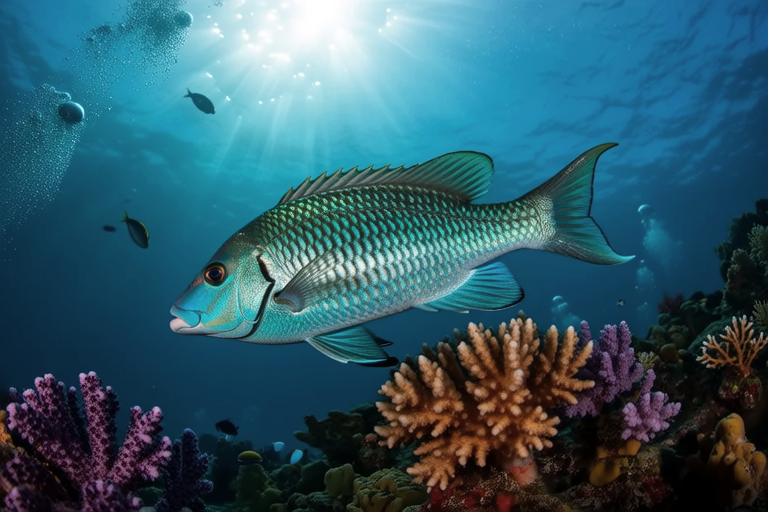
Parrot Fish: A Dive into Their Oceanic World
Parrot fish are among the most captivating creatures in the ocean. These vividly colored fish play a crucial role in maintaining the health and biodiversity of coral reefs. This article delves into their behaviors, habitats, and unique characteristics, offering insights into their vital role in marine ecosystems.
Habitats and Behaviors
Parrot fish are primarily found in tropical and subtropical waters, particularly around coral reefs. They inhabit shallow waters, typically between 1 and 30 meters deep, where they can find abundant food sources and suitable shelter. Coral reefs provide an ideal habitat for parrot fish due to their complex structures that offer numerous hiding spots from predators and ample feeding grounds.
These fish exhibit fascinating behaviors, such as forming large schools during the day to forage for food and dispersing at night to seek safety. Parrot fish are known for their herbivorous diet, consuming algae that grow on coral surfaces. Their beak-like mouths are perfectly adapted for scraping algae off rocks and coral, contributing significantly to the maintenance of coral reefs. However, this feeding behavior also has a downside, as it can lead to coral damage if not regulated.
Unique Characteristics
One of the most striking features of parrot fish is their vibrant coloration. Many species display bright hues, including shades of blue, green, yellow, and red, which serve various purposes. For instance, these colors may help them blend into their surroundings or communicate with potential mates. Interestingly, some parrot fish can change their appearance dramatically, especially during mating season, when males often develop more intense colors to attract females.
Another unique characteristic of parrot fish is their nocturnal habits. At night, they retreat to secluded areas within the reef, such as crevices or caves, to rest and avoid predation. This behavior is essential for their survival, as it allows them to conserve energy and reduce exposure to threats.
Mating Rituals
The mating process of parrot fish is both intricate and fascinating. Typically, males establish territories and engage in elaborate courtship displays to attract females. During this period, males may intensify their coloration and perform specific movements to signal their readiness for reproduction. Once a female is interested, they swim together and release eggs and sperm simultaneously into the water column. This method of external fertilization increases the chances of successful reproduction.
After spawning, the fertilized eggs float freely in the water until they hatch into larvae. These tiny organisms drift with ocean currents before settling on suitable substrates to continue their development. The survival rate of parrot fish larvae is relatively low due to predation by larger marine animals, making successful reproduction critical for population sustainability.
Diet Preferences
Parrot fish are predominantly herbivores, relying heavily on algae as their primary food source. Their specialized teeth, arranged in rows like a parrot’s beak, allow them to scrape algae off rocks and coral efficiently. Additionally, they consume small amounts of coral polyps and other organic matter found within their environment. This diet not only sustains their nutritional needs but also contributes to the overall health of coral reefs by controlling algal growth.
Despite being mainly herbivorous, certain species of parrot fish have been observed consuming detritus and planktonic organisms. This flexibility in diet suggests that parrot fish may adapt their feeding strategies based on availability and environmental conditions. Understanding their dietary preferences is crucial for managing marine ecosystems and ensuring the continued survival of these remarkable creatures.
Role in Maintaining Coral Reef Ecosystems
Parrot fish play a vital role in maintaining the balance of coral reef ecosystems. By consuming algae, they prevent excessive algal overgrowth that could otherwise smother corals and inhibit their growth. This process, known as bioerosion, helps maintain the structural integrity of reefs by breaking down old coral skeletons and recycling calcium carbonate back into the water. Over time, this contributes to the formation of new coral colonies and supports diverse marine life.
In addition to their direct impact on coral health, parrot fish indirectly support other organisms within the ecosystem. Their grazing activities create open spaces on the reef surface, promoting the settlement and growth of juvenile corals. Furthermore, their waste products provide nutrients that nourish microscopic plants and animals, enhancing overall productivity.
Protection Against Predators
Parrot fish employ several strategies to protect themselves from predators. One effective method involves forming large schools, which confuses potential attackers and reduces individual risk. Another adaptation is their ability to rapidly change color, allowing them to blend seamlessly with their surroundings or send warning signals to would-be hunters. Some species even possess spines along their bodies that can deter predators by causing physical discomfort.
During nighttime, parrot fish seek refuge in hidden crevices or caves within the reef structure. These secure locations provide additional protection against nocturnal predators while offering a safe haven for rest and recovery. Understanding these protective mechanisms highlights the importance of preserving coral reef habitats to ensure the survival of parrot fish and other vulnerable marine species.
Dispelling Common Misconceptions
One prevalent myth about parrot fish is that they directly harm coral reefs through their feeding habits. While it is true that parrot fish consume algae growing on coral surfaces, this activity is generally beneficial rather than detrimental. By controlling algal populations, parrot fish promote healthier coral growth and contribute positively to reef stability.
Another misconception relates to the lifespan of parrot fish. Contrary to popular belief, many species can live for several decades under optimal conditions. Factors such as predation pressure, disease prevalence, and environmental stressors significantly influence their longevity. Recognizing these truths helps foster a better understanding of parrot fish biology and underscores the necessity of conservation efforts.
Conclusion
Parrot fish are truly remarkable creatures that play a vital role in maintaining the health and biodiversity of coral reef ecosystems. Their vibrant coloration, nocturnal habits, and unique adaptations make them fascinating subjects for study and admiration. By exploring their behaviors, habitats, and ecological significance, we gain valuable insights into the interconnectedness of marine life and the importance of preserving our oceans’ delicate balance.
