The Ultimate Guide to Feeding Goldfish: What Every Owner Needs to Know
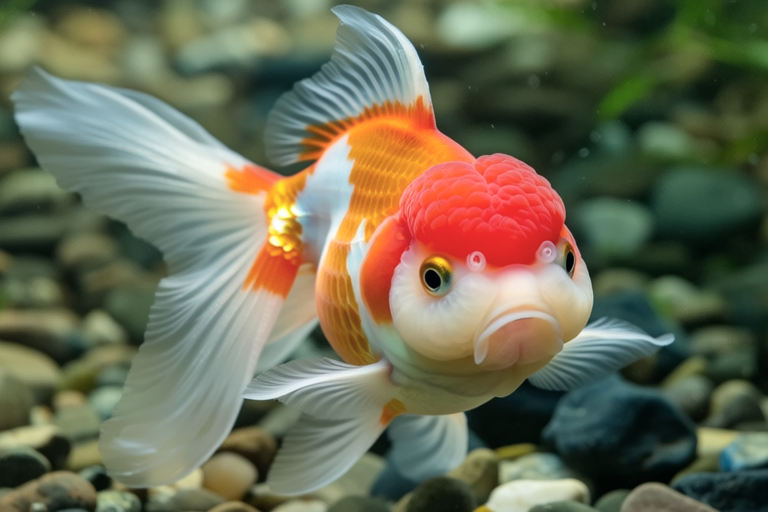
Goldfish are among the most popular aquarium fish due to their vibrant colors, graceful movements, and relatively low maintenance requirements. However, providing proper nutrition is crucial for keeping your goldfish healthy and happy. This guide will cover everything you need to know about feeding goldfish, from the appropriate types of food to feeding amounts and frequency, common mistakes to avoid, and the importance of water quality.
Appropriate Types of Food for Goldfish
Goldfish require a balanced diet that includes proteins, fats, carbohydrates, vitamins, and minerals. Commercial goldfish food comes in various forms such as flakes, pellets, and sinking wafers. Flakes are the most common type and are easy to feed, but they may not be suitable for all goldfish, especially larger ones that can have difficulty eating them. Pellets are more substantial and can be easier for bigger goldfish to eat. Sinking wafers are ideal for bottom-dwelling goldfish, ensuring they get their share of food.
In addition to commercial food, you can also offer goldfish occasional treats like blanched vegetables (e.g., zucchini, peas), live or frozen foods (e.g., brine shrimp, bloodworms), and freeze-dried foods. These treats provide variety and additional nutrients but should only be given occasionally, not as a staple diet.
Recommended Feeding Amounts and Frequency
Feeding your goldfish the right amount of food is essential for their health. Overfeeding can lead to obesity, poor water quality, and digestive issues, while underfeeding can result in malnutrition. A general rule is to feed your goldfish no more than they can consume within two minutes. This usually translates to about one teaspoon of food per fish, depending on their size and number.
Frequency of feeding depends on the age and activity level of your goldfish. Younger goldfish and those in active environments should be fed two to three times daily, while mature goldfish in less active environments can be fed once daily. Always monitor your goldfish’s behavior and adjust the feeding schedule accordingly.
Common Feeding Mistakes to Avoid
Overfeeding is one of the most common mistakes made by goldfish owners. It can cause bloating, swim bladder problems, and poor water quality. To avoid overfeeding, follow the guidelines mentioned earlier and remove any uneaten food after five minutes to prevent it from decomposing in the tank.
Another mistake is feeding goldfish inappropriate foods, such as human food or bread, which can be harmful. Bread lacks the necessary nutrients for goldfish and can cause digestive issues. Stick to high-quality commercial goldfish food and occasional treats specifically designed for fish.
The Importance of Water Quality in Relation to Feeding
Water quality plays a significant role in your goldfish’s health and digestion. Poor water quality can lead to increased stress, weakened immune systems, and higher susceptibility to diseases. When feeding your goldfish, ensure the tank has adequate filtration to handle the extra waste produced. Regular water changes (about 25% weekly) help maintain optimal water conditions and prevent the buildup of toxins.
Avoid feeding your goldfish immediately before or after a water change, as sudden changes in water parameters can stress them. Wait at least an hour after a water change before feeding.
Signs of Overfeeding or Malnutrition
Recognizing the signs of overfeeding or malnutrition is crucial for maintaining your goldfish’s health. Signs of overfeeding include bloating, sluggishness, and cloudy eyes. If you notice these symptoms, reduce the amount of food and observe your goldfish’s behavior. Malnutrition can manifest as lethargy, loss of appetite, and pale or discolored scales. In such cases, consult a veterinarian specializing in aquatic animals for advice.
Tips on How to Introduce New Foods into Their Diet
Introducing new foods gradually helps prevent digestive issues and allows your goldfish to adapt to different tastes and textures. Start by offering small portions of the new food alongside their regular diet. Gradually increase the proportion of the new food over several days until it replaces the old food entirely. This process ensures that your goldfish have time to adjust and reduces the risk of digestive upset.
Maintaining a Balanced Diet for Optimal Health
To maintain a balanced diet, vary the types of food you offer your goldfish. Incorporate commercial food, live or frozen foods, and vegetable treats. Each type of food provides different nutrients, contributing to overall health. For example, commercial food offers a complete nutritional profile, while live and frozen foods provide enrichment and mental stimulation, and vegetable treats add fiber and vitamins.
Regularly monitor your goldfish’s weight and body condition. Healthy goldfish should have a smooth, shiny appearance with no visible deformities. If you notice any changes in their appearance or behavior, consult a veterinarian for guidance.
Conclusion
Proper nutrition is key to maintaining the health and happiness of your goldfish. By understanding the appropriate types of food, recommended feeding amounts and frequency, common feeding mistakes to avoid, the importance of water quality, and signs of overfeeding or malnutrition, you can provide your goldfish with the best possible care. Remember to introduce new foods gradually and maintain a balanced diet for optimal health. With this knowledge, you’ll be well-equipped to keep your goldfish thriving in their aquatic environment.
