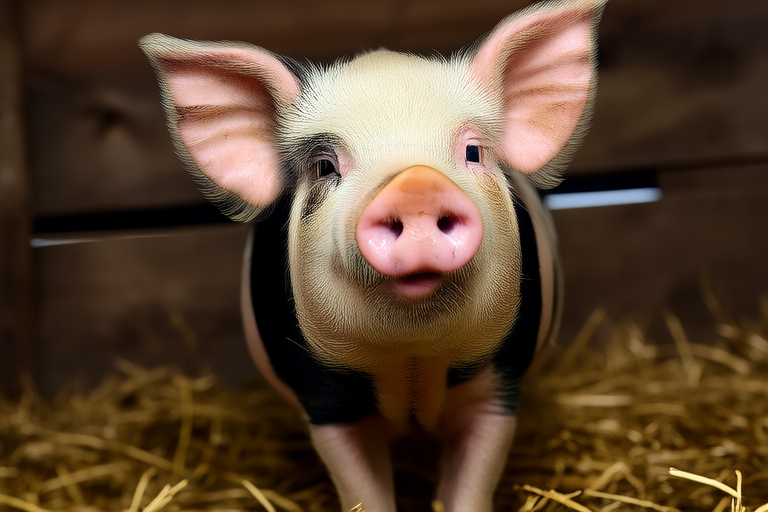
Exploring the Lives of Mini Pigs: A Comprehensive Guide
Mini pigs have gained popularity as pets in recent years due to their charming and affectionate nature. However, there are many misconceptions about these animals that need to be addressed. This article will explore the lives of mini pigs, focusing on their intelligence, dietary needs, living conditions, and the responsibilities involved in owning one. Real-life stories and anecdotes will be used to illustrate both the joys and challenges of having a mini pig as a pet.
The Charming and Affectionate Nature of Mini Pigs
Mini pigs are known for their playful and curious nature. They are highly intelligent and can form strong bonds with their owners. Mini pigs are social animals and thrive in environments where they can interact with other animals or people. They are also very clean and do not require frequent baths or grooming.
One of the most endearing qualities of mini pigs is their ability to express emotions. They can show love and affection through nuzzling, snorting, and even giving kisses. Mini pigs are also very vocal and can communicate their needs through different sounds. For example, they may squeal when they are happy or grumble when they are upset.
Common Misconceptions About Mini Pigs
Despite their growing popularity, there are still many misconceptions about mini pigs that need to be addressed. One of the most common misconceptions is that mini pigs are small and easy to care for. In reality, mini pigs can grow to be quite large, weighing between 50 and 150 pounds. They also require a lot of space and attention to stay healthy and happy.
Another misconception is that mini pigs are low-maintenance pets. While mini pigs do not require as much grooming as some other animals, they still need proper nutrition, regular exercise, and mental stimulation to thrive. Mini pigs are also prone to certain health issues, such as obesity and dental problems, which require careful management.
Dietary Needs of Mini Pigs
Mini pigs have specific dietary needs that must be met to ensure their health and well-being. Their diet should consist of high-quality commercial pig feed that is formulated for their age and activity level. Mini pigs should also have access to fresh water at all times.
In addition to commercial pig feed, mini pigs can also eat fruits, vegetables, and grains. However, it is important to avoid feeding them foods that are high in sugar or fat, as this can lead to obesity and other health problems. Mini pigs should also be fed in moderation, as overfeeding can cause digestive issues and weight gain.
One real-life story that illustrates the importance of proper nutrition is the case of a mini pig named Daisy. Daisy’s owner was feeding her a diet that was too high in sugar and fat, causing her to become overweight and develop health problems. After consulting with a veterinarian, Daisy’s owner switched her to a healthier diet and helped her lose weight through regular exercise. Daisy is now a happy and healthy pig who enjoys playing with her owner and exploring her surroundings.
Living Conditions for Mini Pigs
Mini pigs require a safe and comfortable living environment to thrive. They should have access to a shelter that protects them from extreme weather conditions, such as heat, cold, and rain. Mini pigs also need plenty of space to move around and explore, as they are active animals that enjoy running and playing.
In addition to a shelter, mini pigs should have access to toys and enrichment activities to keep them mentally stimulated. Mini pigs are highly intelligent and can become bored or destructive if they do not have enough mental stimulation. Providing them with puzzle toys, digging areas, and other forms of enrichment can help prevent boredom and promote healthy behavior.
One real-life story that illustrates the importance of providing mini pigs with a stimulating environment is the case of a mini pig named Charlie. Charlie’s owner noticed that he was becoming increasingly destructive and anxious, chewing on furniture and pacing around the house. After consulting with a veterinarian, Charlie’s owner provided him with more toys and digging areas, which helped reduce his anxiety and improve his behavior. Charlie is now a calm and happy pig who enjoys playing with his toys and exploring his surroundings.
The Responsibilities Involved in Owning a Mini Pig
Owning a mini pig comes with several responsibilities that potential owners should consider before making the decision to adopt one. Mini pigs require regular veterinary care, including vaccinations, check-ups, and dental cleanings. They also need to be spayed or neutered to prevent unwanted litters and behavioral issues.
Mini pigs also require regular exercise and mental stimulation to stay healthy and happy. This can include daily walks, playtime, and enrichment activities. Mini pigs should also be trained using positive reinforcement techniques to encourage good behavior and prevent bad habits.
One real-life story that illustrates the importance of responsible ownership is the case of a mini pig named Bella. Bella’s owner had difficulty managing her behavior, as she would often dig up gardens and chew on furniture. After consulting with a trainer, Bella’s owner implemented a consistent training routine and provided her with more toys and digging areas. Bella is now a well-behaved pig who enjoys playing with her owner and exploring her surroundings.
The Joys and Challenges of Having a Mini Pig as a Pet
Having a mini pig as a pet can be a rewarding experience, but it also comes with its own set of challenges. Mini pigs are highly intelligent and social animals that require a lot of attention and care. They can form strong bonds with their owners and provide companionship and joy.
However, mini pigs can also be challenging to care for, especially if their needs are not properly met. Mini pigs require a lot of space, time, and attention to stay healthy and happy. They also require regular veterinary care and training to prevent behavioral issues.
One real-life story that illustrates both the joys and challenges of having a mini pig as a pet is the case of a mini pig named Max. Max’s owner fell in love with his playful and affectionate nature, but struggled to manage his behavior at first. With the help of a trainer and a veterinarian, Max’s owner was able to provide him with the care and attention he needed to thrive. Max is now a happy and healthy pig who enjoys playing with his owner and exploring his surroundings.
The Importance of Research and Preparation for Potential Owners
Potential owners should do thorough research and preparation before adopting a mini pig. This includes learning about their dietary needs, living conditions, and the responsibilities involved in owning one. It is also important to consult with a veterinarian and a trainer to ensure that you are prepared for the challenges of owning a mini pig.
Potential owners should also consider the long-term commitment of owning a mini pig. Mini pigs can live for 10 to 20 years, so it is important to be prepared for the financial and emotional commitment involved in caring for one. Potential owners should also be aware of local regulations regarding the ownership of mini pigs and ensure that they are allowed in their area.
One real-life story that illustrates the importance of research and preparation is the case of a mini pig named Sophie. Sophie’s owner did not do enough research before adopting her, leading to difficulties in managing her behavior and meeting her needs. After consulting with a veterinarian and a trainer, Sophie’s owner was able to provide her with the care and attention she needed to thrive. Sophie is now a happy and healthy pig who enjoys playing with her owner and exploring her surroundings.
