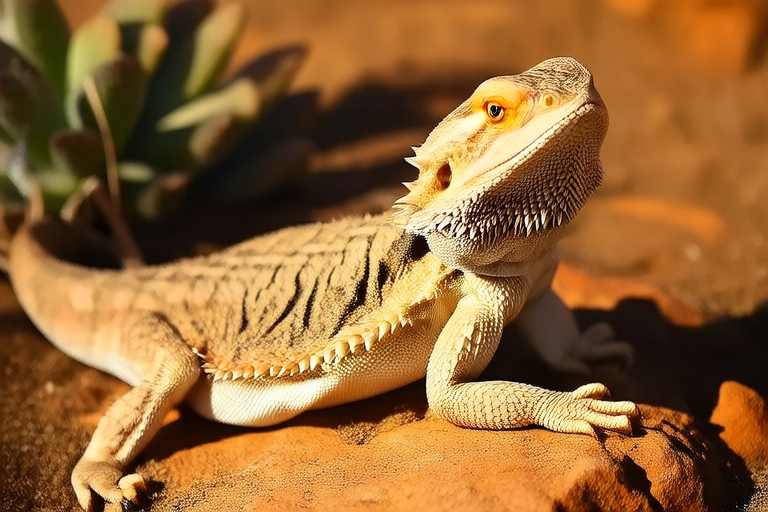
Unbelievable Facts About Bearded Dragons That Will Amaze You
Welcome to a world of fascination and wonder as we dive into the incredible world of bearded dragons. These captivating reptiles have more surprises up their sleeves than you might imagine. From their unique physical traits to their intriguing behaviors, bearded dragons are truly one-of-a-kind creatures. Let’s uncover some lesser-known facts that will leave you amazed.
The Color-Changing Masters
One of the most astonishing features of bearded dragons is their ability to change color. This isn’t just for show; it serves several practical purposes. When they feel threatened or stressed, their skin can darken to blend into their surroundings, offering them a layer of protection. Conversely, when they’re basking in the sun, their skin lightens to reflect heat and prevent overheating. This remarkable adaptation allows them to maintain optimal body temperature without the need for constant movement.
Interestingly, the color-changing process isn’t solely driven by environmental factors. Bearded dragons can also alter their color to communicate with other dragons. A darker beard may signal dominance or aggression, while lighter colors can indicate submission or friendliness. This fascinating behavior showcases the complex social dynamics within their species.
Beyond the Beard: Physical Adaptations
The name ‘bearded dragon’ comes from the spiky scales beneath their chin, which resemble a beard. But there’s much more to this impressive feature than meets the eye. The beard itself is a display organ, capable of puffing up to appear larger and more intimidating when the dragon feels threatened. Alongside the beard, bearded dragons possess a series of spikes along their back, which serve both defensive and sensory functions.
Bearded dragons also have a unique third eyelid called the nictitating membrane. This transparent covering helps protect their eyes from dust and debris while allowing them to see clearly. Additionally, they have excellent peripheral vision, which aids in detecting potential threats from all angles. Their keen sense of sight is complemented by their acute sense of smell, which plays a crucial role in communication and hunting.
Feeding Frenzy: What Do They Eat?
Bearded dragons are omnivores, meaning they consume both plant matter and animal protein. In the wild, their diet consists of insects, small vertebrates, and various plants. As pets, their diet is carefully balanced to ensure proper nutrition. Young bearded dragons require a higher proportion of protein from insects such as crickets, mealworms, and superworms. As they mature, their diet shifts towards leafy greens, fruits, and vegetables.
It’s important to note that feeding bearded dragons isn’t as simple as tossing in whatever is available. Overfeeding certain foods, especially high-fat insects, can lead to health issues. A balanced diet rich in calcium and vitamin D3 is essential to prevent metabolic bone disease, a common problem among bearded dragons. Providing a variety of fresh vegetables and occasional fruits ensures a well-rounded diet that promotes longevity and vitality.
Habitat Preferences: Where Do They Live?
Native to Australia, bearded dragons thrive in arid and semi-arid regions. They are highly adaptable and can be found in deserts, woodlands, and scrublands. These environments provide ample hiding spots and basking areas, crucial for their survival. In captivity, creating a suitable habitat involves replicating these conditions as closely as possible.
A proper enclosure should include a spacious area for basking, a hide box for privacy, and climbing structures to stimulate exercise and mental engagement. Maintaining the right temperature gradient is vital, with a warm side for basking and a cooler side for resting. UVB lighting is also essential for synthesizing vitamin D3, ensuring calcium absorption and overall health.
Misconceptions and Myths
Despite their growing popularity as pets, many misconceptions surround bearded dragons. One common myth is that they require little care beyond basic feeding. While they are generally low-maintenance compared to other pets, providing a stimulating environment and regular veterinary check-ups is crucial for their well-being.
Another misconception is that bearded dragons hibernate during winter. In reality, they undergo a period of reduced activity known as brumation. During brumation, their metabolism slows down, and they may become less active. It’s important to understand the signs of brumation and adjust care accordingly to ensure a smooth transition.
Behavioral Traits: Beyond Basking
Bearded dragons are known for their love of basking, but their behavior extends far beyond lounging in the sun. They are curious and interactive creatures, often displaying playful and affectionate behaviors. Some bearded dragons enjoy being handled and can even develop bonds with their owners.
When approached, they may flatten themselves against their handler’s hand, a behavior known as ‘arm basking.’ This not only provides them with warmth but also a sense of security. They are also adept at recognizing familiar faces and routines, making them engaging companions for those willing to invest time in building a relationship.
Unique Characteristics: Tail Tales and More
Bearded dragons possess several unique physical characteristics that set them apart from other reptiles. One such feature is their prehensile tail, which they use to grasp branches and aid in climbing. However, their tails are not as strong as those of other reptiles and can break if handled roughly. For this reason, it’s best to avoid handling them by the tail.
Another fascinating characteristic is their ability to store fat in their tails. This fat reserve serves as an energy source during times of scarcity, allowing them to survive longer periods without food. In captivity, it’s essential to monitor their tail condition to ensure they are receiving adequate nutrition.
Social Structure and Communication
Bearded dragons are typically solitary animals, but they do interact with each other in the wild. Males are territorial and may engage in displays of dominance, including head bobbing and arm waving. Head bobbing is a sign of aggression, while arm waving is used to signal submission or to attract females during mating season.
Females, on the other hand, are less aggressive and tend to establish smaller territories. They may coexist peacefully in groups, provided there is sufficient space and resources. Understanding these social dynamics can help in creating harmonious living arrangements for multiple bearded dragons in captivity.
Conclusion: A World of Wonder
From their color-changing abilities to their unique physical adaptations, bearded dragons are a marvel of nature. Their behaviors, diet, and habitat preferences offer endless opportunities for exploration and learning. By dispelling myths and understanding their needs, we can better appreciate these captivating creatures and ensure their well-being in both the wild and as beloved pets.
So, the next time you encounter a bearded dragon, take a moment to marvel at its complexity. These seemingly simple reptiles have a world of secrets waiting to be uncovered, ready to amaze and inspire you. Whether you’re a seasoned herpetologist or a curious observer, bearded dragons never fail to captivate.
