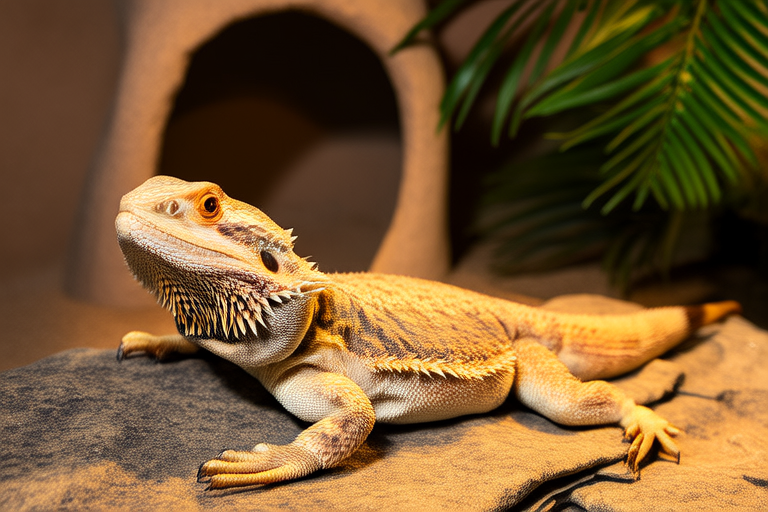
How to Make Your Bearded Dragon Happy and Healthy at Home!
Welcome to the wonderful world of bearded dragon ownership! These captivating reptiles make fantastic pets, but they require specific care to thrive. This guide will help you understand how to create a happy and healthy environment for your bearded dragon at home. We’ll cover everything from proper diet and habitat setup to ideal temperature and lighting conditions, hydration methods, regular health checks, and enrichment activities.
Proper Diet: The Key to Good Health
A balanced diet is crucial for your bearded dragon’s well-being. In the wild, they eat a variety of insects and plants. At home, you can replicate this diet with high-quality commercial foods and fresh produce.
- Insects: Offer crickets, dubia roaches, or mealworms. Ensure they are gut-loaded (fed nutritious food) before feeding them to your dragon.
- Vegetables: Provide leafy greens like kale, collard greens, and mustard greens. Also, include yellow squash, carrots, and bell peppers for added nutrients.
- Fruits: Occasionally offer small amounts of fruits such as apples, berries, and melons. Avoid feeding too much fruit, as it can cause digestive issues.
- Variety: Rotate the types of insects and vegetables to ensure a broad spectrum of nutrients.
Consult with a veterinarian specializing in reptiles for specific dietary recommendations based on your bearded dragon’s age and health status.
Suitable Habitat Setup
Your bearded dragon’s enclosure should mimic its natural habitat. A well-designed habitat promotes physical activity and mental stimulation.
- Tank Size: A 40-gallon tank is suitable for one adult bearded dragon. For multiple dragons, increase the size accordingly.
- Substrate: Avoid loose substrates like sand or wood shavings, which can cause impaction. Opt for paper towels, reptile carpet, or indoor-outdoor carpeting.
- Hiding Spots: Provide caves or hide boxes for your dragon to retreat into when feeling stressed or tired.
- Basking Spot: Position a rock or branch under the basking lamp for your dragon to bask on.
Ensure the enclosure is escape-proof and secure. Regularly clean the habitat to prevent bacterial growth and maintain hygiene.
Ideal Temperature and Lighting Conditions
Bearded dragons are ectothermic, meaning they rely on external heat sources to regulate their body temperature. Proper heating and lighting are vital for digestion, metabolism, and overall health.
- Basking Area: Maintain a temperature between 95°F and 110°F (35°C to 43°C) under the basking lamp. Use a thermometer to monitor the temperature accurately.
- Cool Side: Keep the cool side of the enclosure around 75°F to 85°F (24°C to 29°C). This allows your dragon to thermoregulate by moving between warm and cooler areas.
- UVB Lighting: Install a UVB light that covers at least 50% of the enclosure. Replace the bulb every six months to ensure effectiveness.
- Lights: Use a timer to set a 12-hour light cycle, mimicking day and night cycles. Turn off the lights at night to allow your dragon to rest.
Always check the temperature and lighting conditions regularly to ensure they meet your bearded dragon’s needs.
Hydration Methods
Bearded dragons obtain most of their water from their food, but additional hydration methods are necessary to keep them hydrated.
- Misting: Mist the enclosure daily, especially during warmer months. This increases humidity and provides drinking water droplets.
- Dishes: Place shallow water dishes in the enclosure. Ensure they are cleaned and refilled daily.
- Bathing: Bathe your bearded dragon weekly in lukewarm water. This encourages drinking and helps with shedding.
Monitor your dragon’s hydration levels by checking its skin elasticity and stool consistency. If your dragon appears dehydrated, consult a veterinarian immediately.
Regular Health Checks
Regular health checks help catch potential issues early, ensuring your bearded dragon stays healthy.
- Weight: Weigh your dragon monthly to track growth and detect weight loss, which may indicate illness.
- Feeding Habits: Observe your dragon’s eating habits. A sudden decrease in appetite could signal health problems.
- Behavior: Note any changes in behavior, such as lethargy, hiding excessively, or unusual aggression. These could be signs of stress or illness.
- Veterinary Visits: Schedule annual check-ups with a reptile veterinarian. They can perform comprehensive exams, including blood tests and fecal analysis.
Early detection and treatment of health issues significantly improve recovery chances.
Enrichment Activities to Stimulate Well-Being
To keep your bearded dragon mentally and physically stimulated, provide enrichment activities. These activities enhance their quality of life and reduce boredom.
- Branches and Rocks: Arrange branches and rocks of varying heights and sizes for climbing and basking.
- Toys: Introduce safe toys, such as chewable logs or treat-dispensing puzzles, to encourage exploration.
- Foraging: Hide food in different areas of the enclosure to encourage foraging behaviors.
- Handling: Gently handle your dragon daily to build trust and provide social interaction. Always support its body and avoid sudden movements.
By offering a variety of enrichment activities, you can ensure your bearded dragon remains engaged and content.
Conclusion
Creating a happy and healthy environment for your bearded dragon involves understanding its specific needs and providing appropriate care. By following the guidelines outlined in this article, you can ensure your pet thrives. Remember, each bearded dragon is unique, so observe your pet closely and adjust its care routine as needed. With dedication and attention, you’ll have a joyful and thriving companion for years to come.
