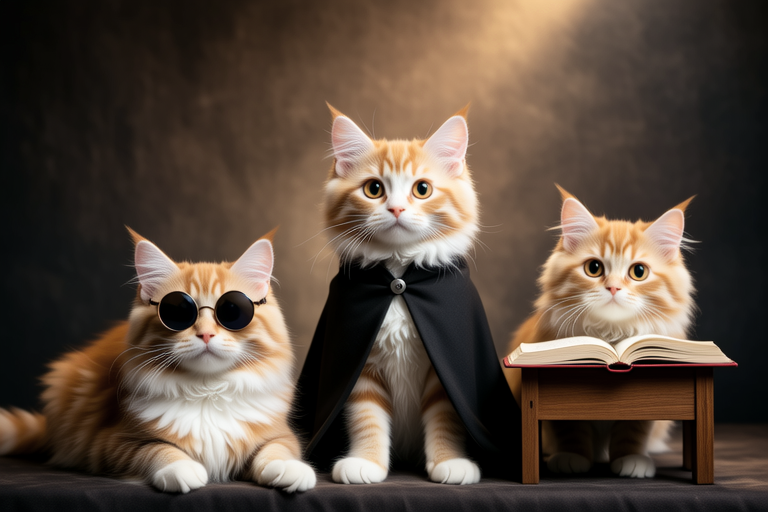
Orange Cats in Pop Culture: Famous Felines that Have Captured Hearts Worldwide
In the realm of popular culture, few feline protagonists have managed to capture the hearts of audiences worldwide as effectively as orange cats. These vibrant creatures, with their striking coats and often gentle dispositions, have found their way into movies, television shows, books, and even the digital world. Their presence has not only added color and charm to various forms of media but has also influenced public perception of orange cats. This article explores some of the most famous orange cats in pop culture, delves into their characteristics, roles, and reasons for their popularity, and examines how these characters have shaped global views on orange cats.
The Cat That Walked by Itself: Cheshire Cat from Alice’s Adventures in Wonderland
One of the earliest and most iconic orange cats in literature is the Cheshire Cat from Lewis Carroll’s “Alice’s Adventures in Wonderland.” With his enigmatic grin and ability to disappear and reappear at will, the Cheshire Cat is a memorable character who challenges Alice’s understanding of reality. His cryptic advice and playful nature make him one of the most beloved characters in the story. The Cheshire Cat’s portrayal as a mischievous yet wise figure has left a lasting impression on readers and viewers alike, contributing to the enduring popularity of this classic tale. His character has become synonymous with the idea of an elusive, otherworldly cat, which has influenced the way people perceive orange cats as mysterious and somewhat magical beings.
Garfield: The Fat and Happy Orange Cat
Created by Jim Davis in 1978, Garfield is perhaps the most recognizable orange cat in pop culture. Known for his sarcastic wit and love of lasagna, Garfield has been featured in comic strips, animated series, and movies. His signature yellow eyes and chubby physique make him instantly recognizable. Garfield’s role as a lazy, food-loving, and occasionally grumpy cat has resonated with audiences, especially those who appreciate humor in its simplest form. The character’s popularity has grown over the years, leading to merchandise, video games, and even theme park attractions. Garfield’s portrayal as a contented, albeit sometimes irritable, cat has helped to shape the image of orange cats as laid-back and self-satisfied animals, appealing to a wide range of people who find comfort in his relatable traits.
From the Pages of Fiction: Bastet and Other Divine Cats
In ancient Egyptian mythology, Bastet, the goddess of protection, fertility, and warfare, is often depicted as an orange cat or as a woman with a cat’s head. Her association with cats has made her one of the most important figures in Egyptian religion. Bastet’s depiction as an orange cat has contributed to the perception of orange cats as sacred and powerful animals. In modern fiction, orange cats continue to be portrayed as mystical beings, such as in the “Chronicles of Narnia” where the character Aslan is described as a large, golden lion. The portrayal of Aslan as a majestic, lion-like figure with an orange coat has further reinforced the idea of orange cats as noble and divine creatures. These fictional representations have played a significant role in shaping cultural perceptions of orange cats, often associating them with strength, wisdom, and spiritual significance.
Cat in the Hat: A Mischievous and Lovable Character
The Cat in the Hat, created by Dr. Seuss, is another famous orange cat known for his playful antics. Wearing a tall striped hat and red bow tie, he brings chaos and excitement to the lives of children. His role in the story is to entertain and teach, making him a beloved character among young readers. The Cat in the Hat’s portrayal as a mischievous but ultimately kind-hearted creature has made him a favorite among parents and educators. His character has helped to introduce children to the joys of reading and learning, all while maintaining the charm and appeal of an orange cat. The Cat in the Hat’s influence on popular culture has been significant, with adaptations in animation, live-action films, and stage productions. His presence has contributed to the perception of orange cats as fun-loving and creative animals, capable of bringing joy and wonder to everyday life.
Orange Cats on the Silver Screen: The Aristocats
Disney’s “The Aristocats,” released in 1970, features two notable orange cats: Duchess and her daughter Marie. Duchess, the elegant and refined matriarch, is a symbol of grace and dignity, while Marie, with her innocent and curious nature, represents youth and innocence. Both characters are central to the film’s plot, showcasing the adventures and challenges faced by the aristocratic cat family. Their portrayal as intelligent and resourceful cats has endeared them to audiences, particularly children. The film’s success has helped to promote positive images of orange cats, portraying them as loving, loyal, and capable companions. The Aristocats’ influence on popular culture extends beyond the silver screen, with merchandise and themed events celebrating the characters. Their legacy has contributed to the perception of orange cats as charming and endearing animals, worthy of admiration and affection.
Orange Cats in the Digital Age: Internet Sensations
In recent years, orange cats have found new fame through social media platforms like YouTube, Instagram, and TikTok. Videos featuring these cats showcase their unique personalities, from quirky behaviors to heartwarming moments. Some of the most popular orange cat influencers include Lil Bub, a distinctive-looking cat with a unique face and personality, and Grumpy Cat, known for her perpetually sour expression. These internet sensations have millions of followers and have contributed significantly to the global popularity of orange cats. Their influence has helped to create a more positive image of orange cats, highlighting their individuality and charm. The rise of orange cat influencers has also led to increased awareness about pet adoption, encouraging more people to consider adopting these beautiful creatures.
The Impact of Orange Cats on Popular Culture
The presence of orange cats in pop culture has had a profound impact on how people perceive these animals. Their portrayal in various forms of media has contributed to the perception of orange cats as charismatic, intelligent, and lovable creatures. Characters like the Cheshire Cat, Garfield, and the Cat in the Hat have helped to shape cultural perceptions of orange cats, often associating them with mystery, humor, and creativity. The success of films like “The Aristocats” and the rise of internet influencers have further reinforced the idea of orange cats as charming and endearing animals, worthy of admiration and affection. As these characters continue to captivate audiences, they will undoubtedly play a significant role in shaping future perceptions of orange cats, ensuring their place in popular culture for generations to come.
