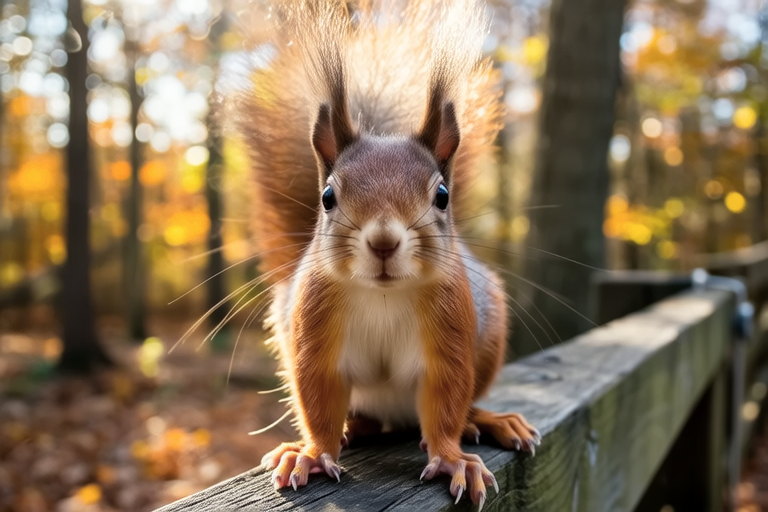
From Nuisance to Companion: How Squirrels Are Winning Human Hearts
In many urban settings, squirrels have long been perceived as pests or nuisances, often seen as nothing more than a minor annoyance to property owners and gardeners. Their habit of digging up newly planted bulbs, raiding bird feeders, and occasionally causing damage to electrical wires has earned them a reputation that is less than favorable. However, this perspective is gradually changing, as communities around the world are recognizing the value and charm of these creatures. From nuisance to companion, squirrels are increasingly winning human hearts through various initiatives promoting coexistence and appreciation. This article explores the journey from initial disdain to newfound admiration, offering insights into squirrel behavior, their ecological roles, and the benefits of observing wildlife.
A Historical Perspective: Squirrels as Urban Nuisances
The historical perception of squirrels in urban areas is one marked by frustration. As cities expanded and natural habitats shrank, squirrels found themselves adapting to new environments, including parks and residential areas. Their opportunistic feeding habits often brought them into conflict with humans. Gardeners would find their flower beds disturbed, and bird enthusiasts would see their feeders emptied by the agile rodents. Moreover, squirrels were sometimes blamed for damaging electrical wiring, leading to power outages. These issues contributed to a widespread perception of squirrels as pests.
Despite their reputation, squirrels have always played a significant role in their ecosystems. They are essential seed dispersers, helping to maintain plant diversity. By burying nuts and seeds, they inadvertently plant new trees and shrubs, contributing to forest regeneration. However, in urban settings, their natural behaviors can sometimes clash with human activities, leading to conflicts.
Current Efforts and Initiatives Promoting Coexistence
Today, numerous efforts are underway to foster a harmonious relationship between humans and squirrels. Cities are implementing policies aimed at reducing conflicts while promoting the well-being of both parties. For instance, some urban areas have introduced regulations that discourage the feeding of wild animals in parks, as it can lead to overpopulation and increased dependency on humans. Instead, these policies encourage the creation of natural habitats that support a balanced ecosystem, allowing squirrels to thrive without becoming overly reliant on human-provided food sources.
One such initiative is the development of squirrel-friendly gardens. These gardens are designed to provide squirrels with natural food sources, thereby reducing their reliance on human-provided food. By planting native trees and shrubs that produce nuts and berries, these gardens offer squirrels a sustainable diet while minimizing the need for them to scavenge in human-dominated areas. Additionally, some communities are creating designated feeding stations that are strategically placed away from residential areas, ensuring that squirrels can access food without causing disturbances.
Scientific Insights on Squirrel Behavior
Squirrels are fascinating creatures with complex social structures and behaviors. Scientific research has revealed that squirrels are highly intelligent and capable of problem-solving. They exhibit remarkable memory skills, able to recall the locations of hundreds of buried nuts and seeds. This ability is crucial for their survival, especially during harsh winter months when food sources are scarce.
Studies have also shown that squirrels engage in playful behavior, particularly among juveniles. This play is not just for fun but serves an important purpose in developing motor skills and social bonds. Observing squirrels can be a delightful pastime, providing insights into their daily lives and interactions. For example, researchers have noted that squirrels communicate through a variety of vocalizations and body language, which they use to warn others of potential dangers or to assert dominance.
The Role of Squirrels in Ecosystems
Ecologically, squirrels play a vital role in maintaining the balance of their environments. As mentioned earlier, they act as seed dispersers, contributing to the growth of forests and other vegetation. In addition, they serve as prey for larger predators, thus playing a part in regulating predator populations. This interconnectedness highlights the importance of preserving squirrel populations for the overall health of ecosystems.
Moreover, squirrels contribute to soil health by digging and aerating the ground. This activity helps to improve water infiltration and nutrient cycling, benefiting plants and other organisms that rely on healthy soil conditions. By fostering an environment where squirrels can flourish, we indirectly support the broader ecosystem, enhancing biodiversity and resilience.
Health Benefits of Observing Wildlife
There are numerous health benefits associated with observing wildlife, including squirrels. Engaging with nature has been shown to reduce stress levels and improve mental well-being. The calming effect of watching squirrels go about their daily routines can provide a sense of peace and tranquility. Additionally, spending time outdoors observing wildlife encourages physical activity, which is beneficial for maintaining good health.
Research indicates that people who regularly interact with nature report higher levels of happiness and lower rates of depression. This connection between nature and mental health underscores the importance of creating opportunities for people to engage with wildlife in their local communities. By appreciating the presence of squirrels and other animals, we can enhance our own well-being while contributing to the preservation of these species.
Community Projects Transforming Public Spaces
Across the globe, community projects are transforming public spaces to better accommodate squirrels. One notable example is the establishment of green corridors, which connect fragmented habitats and allow squirrels to move freely between different areas. These corridors provide safe routes for squirrels to travel, reducing the risk of accidents and promoting genetic diversity within populations.
Another successful project involves the creation of squirrel sanctuaries within city limits. These sanctuaries offer protected areas where squirrels can live undisturbed, away from the pressures of urban life. Visitors are encouraged to observe the squirrels from a distance, ensuring minimal disruption to their natural behaviors. Such sanctuaries not only benefit the squirrels but also provide educational opportunities for residents and tourists alike.
A Hopeful Outlook: Mutual Respect and Understanding
As our understanding of squirrels deepens, so too does our respect for these creatures. The evolving relationship between humans and squirrels reflects a growing appreciation for the value of coexistence. By recognizing the important roles that squirrels play in our ecosystems and by taking steps to protect them, we can ensure a future where both humans and squirrels thrive.
The journey from nuisance to companion is ongoing, but it is one that holds great promise. Through education, policy changes, and community involvement, we can continue to build a world where squirrels are valued members of our communities. Let us embrace this opportunity to foster mutual respect and understanding, celebrating the presence of these charming creatures in our lives.
In conclusion, the transformation from perceiving squirrels as pests to viewing them as valued companions is a testament to the power of education and community action. By learning about their behaviors, appreciating their ecological contributions, and supporting initiatives that promote coexistence, we can create a brighter future for both humans and squirrels. May we all continue to nurture this evolving relationship, finding joy and inspiration in the presence of these delightful creatures.
