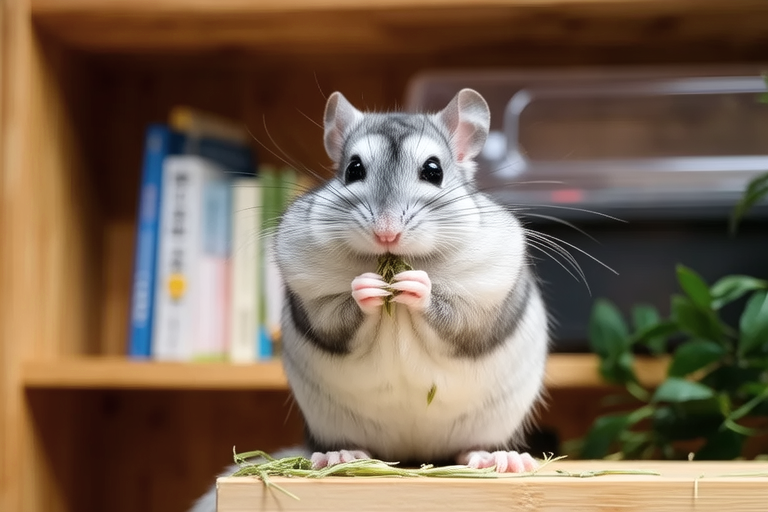
The Ultimate Guide to Training and Bonding with Your Chinchilla
Chinchillas are small, fluffy rodents that make wonderful pets. They are known for their playful nature and unique behaviors. However, owning a chinchilla requires a commitment to understanding their needs and providing a safe, stimulating environment. This guide will walk you through everything you need to know about training and bonding with your chinchilla, ensuring both you and your pet enjoy a fulfilling relationship.
Understanding Chinchilla Behavior
Before diving into training, it’s crucial to understand chinchilla behavior. Chinchillas are naturally nocturnal, meaning they are most active during the night. They are curious and playful creatures, but also very sensitive. They communicate through body language, vocalizations, and scent marking. Learning to read these cues will help you better understand your chinchilla’s needs and preferences.
Chinchillas are social animals and thrive when they feel secure. They often engage in grooming each other, which is a sign of trust and bonding. Recognizing when your chinchilla is relaxed or stressed is key to building a strong relationship.
Essential Tips for Training
Training a chinchilla can be a rewarding experience, but it requires patience and consistency. Start by establishing a routine. Chinchillas respond well to predictable schedules, so try to feed them at the same time every day. This will help them associate you with positive experiences.
Use treats as rewards. Chinchillas love treats like raisins, oats, and small pieces of fruit. Offering these as rewards can encourage desired behaviors. However, remember to offer treats sparingly to avoid obesity.
Gradually introduce new elements. When introducing toys or changes to their environment, do so slowly. Allow your chinchilla to explore and become comfortable with the new items at their own pace.
Be gentle and patient. Chinchillas have delicate bones and can become stressed easily. Always handle them gently and provide a calm, reassuring presence.
Interactive Activities to Enhance Bonding
Engaging in interactive activities with your chinchilla can strengthen your bond. One popular activity is supervised playtime outside the cage. Use a chinchilla-proofed area to allow your chinchilla to explore and play safely. This provides mental stimulation and allows you to interact with your pet in a more personal setting.
Another fun activity is teaching your chinchilla to come when called. Start by associating a specific sound or word with a treat. Gradually increase the distance between you and your chinchilla while maintaining the association. Consistency is key in this process.
Providing appropriate toys is essential for keeping your chinchilla mentally stimulated. Look for toys that encourage chewing, digging, and climbing. Rotate toys periodically to prevent boredom and keep your chinchilla engaged.
Maintaining a Safe Environment
Creating a safe environment for your chinchilla is paramount. Chinchillas require a dust bath daily to keep their fur clean and healthy. Ensure the dust bath area is secure and free from drafts. The dust should be kept dry and fresh, and the bathing box should be cleaned regularly.
Adequate space is necessary for your chinchilla’s physical and mental well-being. A spacious cage with multiple levels and hiding spots will provide ample room for exploration and exercise. Make sure the cage has bars wide enough to prevent injuries but narrow enough to prevent escape.
Temperature control is critical. Chinchillas are sensitive to heat and humidity. Maintain a temperature range between 60-70°F (15-21°C) and ensure good ventilation. Avoid placing the cage near windows or direct sunlight.
Dietary Considerations
A balanced diet is vital for your chinchilla’s health. Their diet should consist mainly of hay, supplemented with a small amount of pellets specifically formulated for chinchillas. Fresh water should always be available. Introduce new foods gradually to monitor for any adverse reactions.
Variety is important in a chinchilla’s diet. Offer occasional treats like raisins, oats, and small pieces of fruit. Avoid feeding chinchillas sugary or fatty foods, as these can lead to health problems. Always consult with a veterinarian before introducing new foods.
Common Health Issues to Watch For
Regular veterinary check-ups are essential for maintaining your chinchilla’s health. Some common health issues include dental problems, respiratory infections, and digestive issues. Signs of illness may include loss of appetite, lethargy, sneezing, or changes in stool.
Preventative care is key. Keep the cage clean and provide a balanced diet. Regular grooming and monitoring for signs of injury or illness can help catch potential issues early. If you notice any unusual behavior or symptoms, consult a veterinarian immediately.
Creating a Stimulating Habitat
A stimulating habitat is crucial for your chinchilla’s overall well-being. Provide plenty of toys and accessories to encourage natural behaviors like chewing, digging, and climbing. Rotate toys periodically to maintain interest and prevent boredom.
Incorporate hiding spots and tunnels to mimic their natural environment. These additions will provide comfort and security, allowing your chinchilla to feel safe and secure in its surroundings. Ensure all materials used are safe and non-toxic.
Regular cleaning of the cage and toys is necessary to maintain hygiene and prevent the buildup of harmful bacteria. Use pet-safe cleaning products and avoid harsh chemicals that could be harmful to your chinchilla.
By following these guidelines, you can create a nurturing and enriching environment for your chinchilla, fostering a strong bond and ensuring their happiness and health. Remember, training and bonding take time and effort, but the rewards are immeasurable. With patience, consistency, and love, you and your chinchilla can enjoy a lifetime of companionship.
