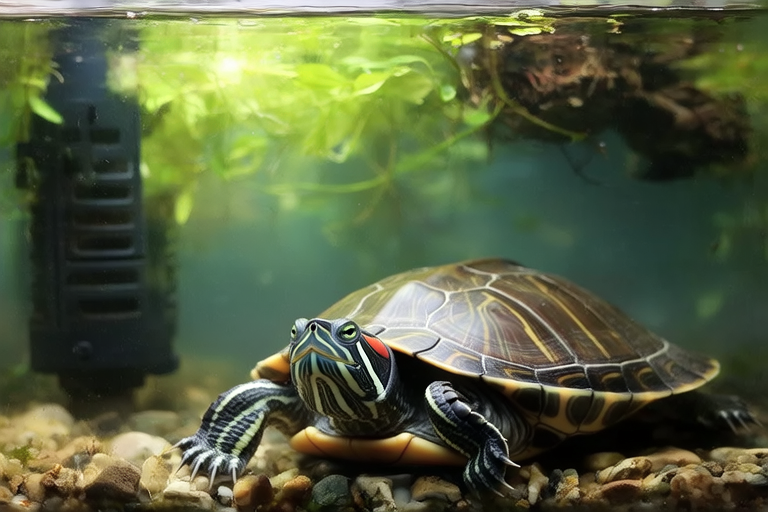
Aquarium Setup Secrets Every Red-Eared Slider Owner Needs to Know
Welcome to the world of red-eared slider turtle ownership! These captivating reptiles can bring joy and fascination to any home. However, ensuring their health and happiness requires careful planning and attention to detail. This comprehensive guide will walk you through the essential elements of setting up an aquarium for your red-eared slider, providing valuable insights that every owner should know.
Choosing the Right Tank Size
The first step in creating a perfect home for your red-eared slider is selecting an appropriately sized tank. For hatchlings, a 20-gallon tank is sufficient; however, as they grow, so should their living space. A full-grown adult requires at least 40 gallons per inch of shell length. Opting for a larger tank allows more room for swimming and ensures a healthier environment.
Filtration Systems
Proper filtration is crucial for maintaining clean water. Choose a filter rated for twice the volume of your tank to keep ammonia and nitrate levels low. Canister filters offer superior performance but may require more maintenance. Sponge filters provide gentle circulation and are easy to maintain, making them ideal for smaller tanks.
Water Quality Maintenance
Regular water changes are vital for preventing harmful bacteria from building up. Aim to change 20% of the water weekly and perform a complete water change monthly. Test kits help monitor pH, ammonia, nitrite, and nitrate levels, ensuring optimal conditions. Avoid tap water with high chlorine or chloramine content by using dechlorinators before adding it to the tank.
Temperature Control
Red-eared sliders need specific temperatures to thrive. Maintain a basking area between 85°F and 90°F using heat lamps or ceramic heaters. The water temperature should range from 75°F to 80°F. Submersible heaters work well but must be protected from mechanical damage. Thermostats help regulate heater output, preventing overheating.
Lighting Requirements
UVB lighting is essential for vitamin D3 synthesis, promoting calcium absorption and overall health. Full-spectrum fluorescent bulbs or mercury vapor lamps provide adequate UVB exposure. Position lights so they cover the entire basking area, ensuring consistent coverage. Replace bulbs every six months to guarantee maximum effectiveness.
Appropriate Substrate
Selecting the right substrate is important for mimicking natural habitats and promoting healthy digestion. Gravel is often used but poses risks if ingested. Sand-free substrates like slate tiles or smooth river rocks are safer alternatives. Ensure substrate particles are too large to be swallowed accidentally.
Necessary Decorations for Hiding and Basking
Incorporate rocks, driftwood, and aquatic plants to create hiding spots and encourage exploration. Provide ramps or sloped areas leading from water to land, facilitating easy access to the basking area. Arrange decorations thoughtfully to prevent sharp edges or spaces where turtles could become trapped.
Diet Considerations
A balanced diet supports growth and longevity. Offer a mix of commercial pellets, fresh vegetables (like romaine lettuce), occasional live foods (such as earthworms or crickets), and calcium supplements. Feed young turtles daily, reducing frequency to every other day for adults. Remove uneaten food promptly to maintain water quality.
Common Health Issues Prevention
Preventative care includes routine check-ups, clean surroundings, and proper nutrition. Monitor your turtle’s appetite, activity level, and appearance regularly. Early signs of illness might include lethargy, loss of appetite, swollen eyes, or discolored skin. Consult a veterinarian specializing in reptiles if you notice any concerning symptoms.
Creating a Stimulating Yet Safe Environment
Designing an engaging habitat involves balancing safety with enrichment opportunities. Rotate toys and decorations periodically to stimulate curiosity. Introduce new stimuli gradually to avoid overwhelming your pet. Always supervise interactions with other animals to prevent stress or injury.
Importance of Regular Monitoring and Adjustments
Consistent observation ensures timely intervention when needed. Keep a log of feeding schedules, water parameters, and notable behaviors. Adjust environmental factors as required based on your observations. Staying proactive about your turtle’s welfare fosters long-term health and happiness.
By following these guidelines, you’ll create a thriving sanctuary for your red-eared slider. Remember, patience and dedication are key components of successful reptile ownership. Enjoy watching your beloved pet flourish in its new home!
