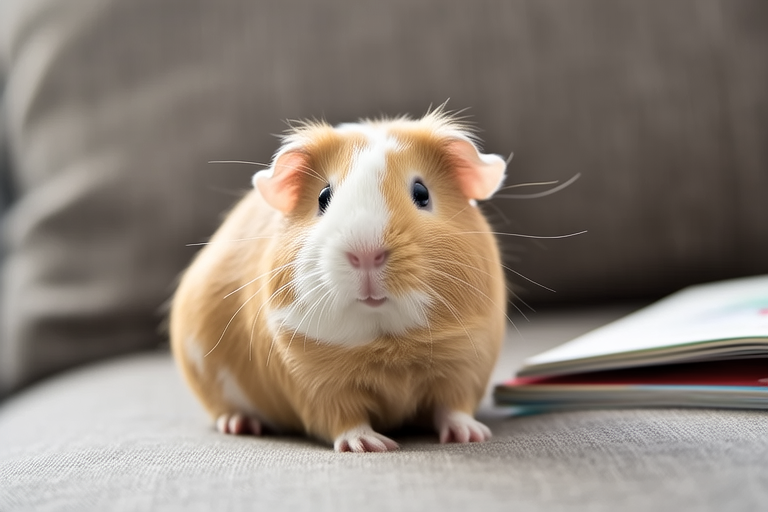
Guinea Pig Sounds Decoded: What Your Pet is Trying to Tell You
As a guinea pig owner, you’ve likely noticed that your little companion makes various sounds throughout the day. From soft purrs to loud squeaks, these vocalizations are more than just noise—they’re a vital form of communication. Understanding the different sounds your guinea pig makes can significantly enhance your ability to provide the best care possible. This article will guide you through decoding the most common guinea pig sounds, helping you interpret what your pet is trying to convey.
The Importance of Understanding Guinea Pig Vocalizations
Guinea pigs are social animals that rely heavily on vocal communication. They use sounds to express their feelings, needs, and even health issues. By learning to recognize these vocal cues, you can better understand your pet’s emotional state and address any concerns promptly. Whether it’s signaling hunger, expressing fear, or indicating a need for companionship, your guinea pig’s vocalizations offer valuable insights into its well-being.
Common Guinea Pig Sounds and Their Meanings
Wheeking
One of the most recognizable sounds made by guinea pigs is the wheek, often described as a high-pitched, whistling noise. Wheeking typically indicates excitement and anticipation, especially when your guinea pig expects food. If you hear this sound during mealtime, your pet is probably telling you it’s hungry and ready to eat. Responding to a wheek with a treat or some fresh vegetables can strengthen the bond between you and your pet.
Chirping
Chirping is another sound that might catch your attention. It’s usually characterized by a series of short, bird-like calls. While the exact cause of chirping isn’t fully understood, many experts believe it may be a sign of happiness or contentment. Some guinea pigs chirp when they’re relaxed and comfortable in their environment. Observing your pet during chirping episodes can help you identify specific triggers or contexts for this behavior.
Purring
Purring is perhaps one of the most endearing sounds a guinea pig can make. Similar to cats, guinea pigs purr when they’re happy, relaxed, or feeling secure. This gentle, low-frequency vibration often occurs when your pet is being petted or cuddled. Encouraging purring through gentle strokes and positive interactions can foster a deeper connection with your guinea pig.
Rumbling
Rumbling is a deep, vibrating sound that can sometimes be accompanied by body shaking. In male guinea pigs, rumbling often signals territorial behavior, especially around females. However, female guinea pigs also rumble, particularly during courtship displays. Rumbling can sometimes indicate stress or discomfort if the guinea pig is in an unfamiliar environment or feels threatened. Pay attention to your pet’s body language and surroundings to determine the context of the rumbling sound.
Tooth Chattering
Tooth chattering is a distinct sound that involves rapid, repetitive clicking of the teeth. Unlike other sounds, tooth chattering is generally a sign of aggression or frustration. Your guinea pig might chatter its teeth when it feels threatened, annoyed, or uncomfortable. If you notice this behavior, it’s important to assess the situation and remove any potential stressors. Ensuring your pet has a safe and comfortable living space can help prevent tooth chattering.
Shrieking
Shrieking is a loud, piercing sound that can be quite alarming. It usually indicates pain, fear, or extreme distress. If your guinea pig starts shrieking, it’s crucial to investigate the cause immediately. Common reasons for shrieking include injuries, sudden loud noises, or aggressive interactions with other pets. Providing a calm and reassuring presence can help soothe your pet during such episodes. Always ensure that your guinea pig’s living conditions are safe and free from potential hazards.
Tips for Responding to Guinea Pig Sounds
Once you’ve learned to recognize the different sounds your guinea pig makes, responding appropriately becomes essential. Here are some tips to help you handle various vocalizations:
- Wheeking: When your guinea pig wheeks, consider offering a small treat or preparing its food. This response reinforces positive associations with the sound and strengthens your bond.
- Chirping: If your guinea pig chirps, take a moment to observe its surroundings. Providing a quiet, peaceful environment can encourage more frequent chirping, which is a sign of contentment.
- Purring: Purring is a clear indication that your guinea pig is enjoying the interaction. Continue petting or grooming your pet gently to maintain this positive experience.
- Rumbling: If your guinea pig is rumbling, check for signs of stress or discomfort. Adjusting the living environment or providing additional companionship can help alleviate rumbling caused by loneliness or anxiety.
- Tooth Chattering: Tooth chattering is a warning sign of aggression. Avoid direct contact and give your pet space until it calms down. Identifying and addressing the source of irritation can prevent future incidents.
- Shrieking: Shrieking is a serious alarm signal. Investigate the cause quickly and remove any threats. Comfort your pet by speaking softly and ensuring its safety.
Building Trust and Communication with Your Guinea Pig
Establishing a strong relationship with your guinea pig requires consistent interaction and careful observation. Spend time with your pet every day, offering gentle handling and positive reinforcement. Regularly cleaning its cage, providing fresh bedding, and ensuring access to clean water and nutritious food will contribute to a healthy and happy living environment.
Encourage communication by paying close attention to your guinea pig’s vocalizations and body language. Each pet has unique preferences and habits, so learning to read your individual guinea pig’s cues takes time and patience. Over time, you’ll become more attuned to your pet’s needs and develop a deeper understanding of its personality.
Remember, building trust and communication with your guinea pig is a two-way process. Be patient, responsive, and attentive, and your efforts will be rewarded with a stronger bond and a more contented pet.
In conclusion, understanding guinea pig vocalizations is key to providing the best care for your pet. By familiarizing yourself with the meanings behind wheeking, chirping, purring, rumbling, tooth chattering, and shrieking, you can better anticipate your guinea pig’s needs and emotions. Responding appropriately to these sounds and fostering a trusting relationship will ensure that your pet enjoys a happy and fulfilling life. With consistent interaction and careful observation, you’ll find that communication with your guinea pig becomes increasingly intuitive and rewarding.
