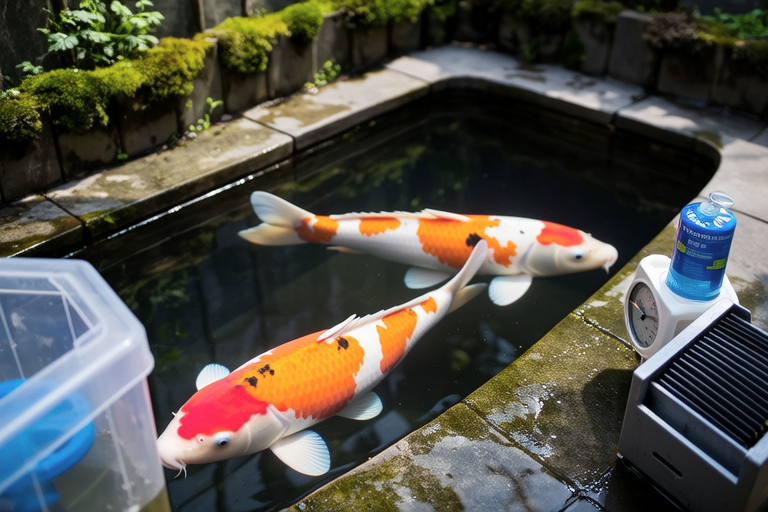
The Ultimate Koi Care Checklist: Tips for Healthy, Happy Fish
Keeping koi fish is a rewarding hobby that brings joy and tranquility to many enthusiasts. However, to ensure your koi lead healthy, happy lives, it’s essential to provide them with the best possible care. This comprehensive guide covers all aspects of koi care, from setting up their environment to maintaining water quality and preventing diseases. By following these tips, you’ll be well on your way to creating a thriving koi pond.
Optimal Pond Setup
The first step in koi care is ensuring your pond is set up correctly. A well-designed pond provides the ideal habitat for your fish, promoting their growth and well-being. Here’s what you need to consider:
- Pond Size: The general rule is to have at least 100 gallons of water per inch of fish. For instance, a 12-inch koi requires about 1,200 gallons of water. This ensures adequate space for swimming and reduces stress.
- Filtration System: Invest in a high-quality filtration system that can handle your pond’s capacity. It should include mechanical, biological, and chemical filtration components to maintain clean, clear water.
- Oxygenation: Ensure your pond has sufficient oxygen levels by incorporating a waterfall or fountain. These features not only enhance aesthetics but also increase oxygen content in the water.
- Sunlight Exposure: While koi enjoy some sunlight, too much can cause algae growth. Position your pond so it receives morning sun and afternoon shade.
- Shelter: Provide hiding spots for your koi with plants or artificial structures. This helps them feel secure and reduces stress.
Water Quality Maintenance
Maintaining excellent water quality is crucial for your koi’s health. Poor water conditions can lead to stress, illness, and even death. Here are some key practices:
- Regular Testing: Test your pond water weekly for pH, ammonia, nitrite, and nitrate levels. Aim for a pH between 7.2 and 8.4, with no detectable ammonia or nitrite, and nitrate levels below 50 ppm.
- Partial Water Changes: Replace 10-20% of your pond water monthly to dilute accumulated toxins. Use dechlorinated water to avoid harming your fish.
- Aeration: As mentioned earlier, ensure proper oxygenation through fountains or waterfalls. Oxygen-rich water supports healthy respiration in your koi.
- Biological Filtration: Encourage beneficial bacteria growth by providing ample surface area in your filter. These bacteria break down harmful substances, keeping your water clean.
Feeding Guidelines
Proper nutrition is vital for your koi’s overall health. Follow these guidelines to ensure they receive the right nutrients:
- High-Quality Food: Choose high-protein pellets specifically formulated for koi. These foods contain the necessary vitamins and minerals for optimal growth.
- Feeding Frequency: Feed your koi twice daily during warmer months when temperatures exceed 60°F (15°C). Reduce feedings to once a day during cooler periods.
- Portion Control: Feed small amounts that your koi can consume within 5 minutes. Overfeeding leads to waste buildup and poor water quality.
- Variety: Supplement their diet with occasional treats like freeze-dried bloodworms or shrimps. This variety promotes good health and keeps your koi interested in mealtime.
Disease Prevention
Prevention is better than cure when it comes to koi health. By maintaining a clean environment and monitoring your fish regularly, you can prevent most diseases:
- Quarantine New Arrivals: Always quarantine new koi for at least two weeks before introducing them to your main pond. This allows you to observe any signs of illness and treat accordingly.
- Monitor Behavior: Keep an eye on your koi’s behavior. Lethargy, loss of appetite, or unusual swimming patterns could indicate illness. Early detection is key to successful treatment.
- Water Treatments: Use prophylactic treatments like salt baths or medicated food to prevent parasites and bacterial infections. Consult with a veterinarian for specific recommendations based on your region.
- Stress Reduction: Minimize stress factors such as overcrowding, aggressive fish, or sudden changes in water parameters. Stress weakens the immune system, making your koi more susceptible to diseases.
Seasonal Care Tips
Koi require special attention during different seasons. Tailor your care routine to accommodate changing environmental conditions:
- Spring: As temperatures rise, increase feeding frequency and introduce new foods gradually. Perform a thorough cleaning of your pond and equipment. Spring is also the time to check for any signs of overwintering parasites.
- Summer: Monitor water temperature closely, especially during heatwaves. Provide additional shade if necessary to prevent overheating. Increase aeration to compensate for higher metabolic rates.
- Fall: Prepare for colder weather by reducing feeding as temperatures drop below 50°F (10°C). Clean the pond bottom to remove debris before winter sets in.
- Winter: If your pond freezes, install a de-icer to keep a small area open for gas exchange. Avoid feeding during extreme cold, as koi become less active and digestion slows down.
Common Mistakes to Avoid
Even experienced koi keepers can make mistakes. Here are some pitfalls to watch out for:
- Overcrowding: Too many fish in a small pond leads to competition for resources and increased waste production. Stick to recommended stocking densities.
- Improper Feeding: Feeding too much or too little can cause health issues. Follow the guidelines provided earlier to ensure balanced nutrition.
- Neglecting Water Quality: Failing to monitor and maintain water quality is one of the biggest mistakes. Regular testing and partial water changes are non-negotiable.
- Lack of Quarantine: Introducing new fish without quarantining them poses a risk of introducing diseases to your established population.
By avoiding these common errors and implementing the strategies outlined in this guide, you’ll create a thriving environment for your koi. Remember, consistent care is key to their health and happiness. Enjoy watching your colorful friends thrive in their aquatic paradise!
