Unveiling the Coolest Ragdoll Cat Facts You Need to Know
Welcome to the fascinating world of Ragdoll cats! If you’re a cat enthusiast or considering adopting a feline friend, you’re in for a treat. This article will take you on a journey through the unique traits, history, and care requirements of these enchanting creatures. Get ready to discover why Ragdolls are considered one of the best companion pets.
The Fascinating History of Ragdoll Cats
The story of the Ragdoll begins in the early 1960s in California. Ann Baker, a breeder from Riverside, California, developed this breed by crossing several domestic long-haired cats with a Persian and Burmese. The result was a cat with a striking appearance and a delightful personality. However, what truly sets the Ragdoll apart is its docile nature and tendency to go limp when picked up, giving it its name.
Ann Baker’s breeding program was shrouded in mystery, and she even claimed that the Ragdoll had been altered by aliens. While this claim has been debunked, it has added to the mystique surrounding the breed. Despite the controversy, the Ragdoll quickly gained popularity, and today, they are cherished by cat lovers worldwide.
Unique Physical Characteristics
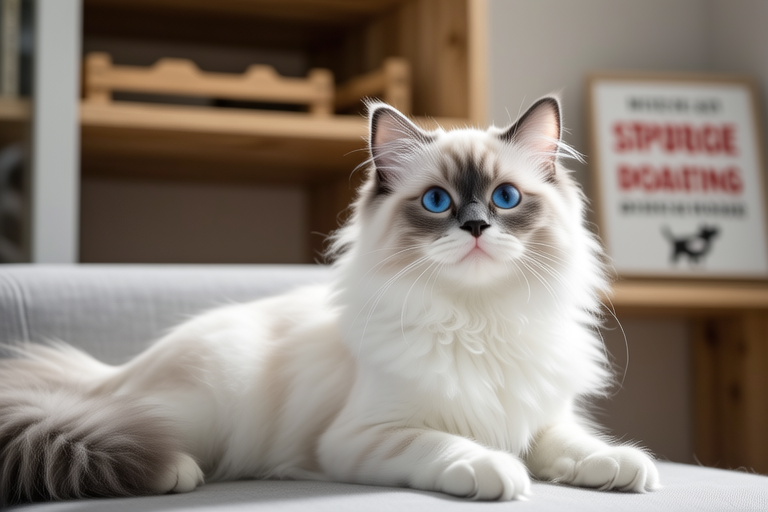
Ragdolls are large, muscular cats with a semi-longhaired coat that is silky and plush to the touch. Their coat color can vary widely, including seal, blue, chocolate, and lilac, often with points on the ears, mask, tail, and paws. One of the most distinctive features of the Ragdoll is its piercing blue eyes, which add to its striking appearance.
These cats have a broad chest and a robust build, making them appear more substantial than many other breeds. Ragdolls also have a thick, fluffy tail that adds to their overall elegance. Their ears are medium-sized and slightly rounded at the tips, while their whisker pads are prominent, giving them a sweet expression.
The Gentle Giant: Temperament and Personality
One of the most endearing qualities of Ragdoll cats is their docile and affectionate nature. They are known for their calm demeanor and are often referred to as “puppy cats” due to their loyalty and willingness to follow their owners around. Ragdolls are highly social animals and thrive in environments where they receive plenty of attention and affection.
Despite their size, Ragdolls are gentle and rarely show aggression. They are excellent companions for families with children and other pets, as they are patient and tolerant. Ragdolls are also known for their love of being carried and held, often going completely limp in your arms, much like a rag doll. This trait makes them ideal lap cats, providing endless comfort and companionship.
Care Requirements
While Ragdolls are generally healthy cats, there are specific care requirements to ensure they live a long and happy life. Regular grooming is essential to maintain their luxurious coats. Brushing them once or twice a week helps prevent matting and removes loose hair, reducing the risk of hairballs. Bathing may be necessary during shedding season, especially if they develop mats.
Ragdolls also require a balanced diet to support their robust physique. High-quality cat food that meets their nutritional needs is recommended. Fresh water should always be available, and regular veterinary check-ups are important to monitor their health and address any potential issues.
Exercise is crucial for maintaining a healthy weight and preventing obesity, which can lead to various health problems. Interactive toys and playtime can help keep your Ragdoll active and mentally stimulated. Providing scratching posts and climbing structures can also encourage natural behaviors and help maintain their claws.
Health Considerations
Like all breeds, Ragdolls are prone to certain health conditions. Hypothyroidism, a condition where the thyroid gland doesn’t produce enough hormones, is more common in this breed. Symptoms include weight gain, lethargy, and skin problems. Regular blood tests can help detect hypothyroidism early, allowing for prompt treatment.
Polycystic kidney disease (PKD) is another genetic disorder that affects Ragdolls. It causes the formation of cysts in the kidneys, leading to kidney failure. Responsible breeders screen for PKD to reduce the incidence of this condition in the breed. Early detection and management can improve the quality of life for affected cats.
Other health issues that may affect Ragdolls include hip dysplasia, a condition where the hip joint doesn’t fit properly into the socket, and cardiomyopathy, a heart muscle disease. Genetic testing and careful breeding practices can help minimize the risk of these conditions.
Adaptable Companions
Ragdolls are adaptable cats that can thrive in various living situations. Whether you live in a small apartment or a spacious home, these cats can adjust to their environment with ease. They are relatively quiet and don’t require constant attention, making them suitable for both busy households and those seeking a more laid-back atmosphere.
However, it’s important to provide them with a stimulating environment to prevent boredom. Ragdolls enjoy interactive toys, scratching posts, and climbing structures. They also appreciate having a safe outdoor space where they can explore and exercise. If you’re unable to provide an outdoor area, consider supervised walks or a secure enclosure to allow your Ragdoll to experience the outdoors safely.
Friendly and Social
Ragdolls are known for their friendly and social nature, making them excellent companions for people of all ages. They are particularly good with children and other pets, as they are patient and tolerant. Ragdolls are also highly sociable and enjoy spending time with their human family members. They are known to follow their owners around the house, seeking out affection and attention whenever possible.
This breed’s adaptability and affectionate nature make them ideal candidates for therapy work. Ragdolls have been used in animal-assisted therapy programs, providing comfort and companionship to individuals in hospitals, nursing homes, and other settings. Their calming presence and gentle demeanor can help reduce stress and anxiety, making them valuable allies in promoting mental and emotional well-being.
A Lifespan of Love
Ragdolls typically have a lifespan of 12 to 15 years, although some may live longer with proper care. Their longevity is a testament to their hardiness and resilience. To ensure your Ragdoll lives a long and healthy life, it’s essential to provide them with a nutritious diet, regular exercise, and routine veterinary care.
In addition to physical health, mental stimulation is crucial for maintaining a Ragdoll’s well-being. Interactive toys, puzzles, and games can help keep their minds sharp and engaged. Providing a variety of enrichment activities can also help prevent behavioral issues and promote a positive relationship between you and your feline friend.
Conclusion
Ragdoll cats are truly remarkable creatures, combining stunning physical attributes with a gentle and affectionate nature. Their unique traits, from their docile temperament to their striking appearance, make them one of the best companion pets. Whether you’re a seasoned cat owner or considering adopting your first feline friend, a Ragdoll could be the perfect addition to your family.
By understanding their care requirements and health considerations, you can ensure your Ragdoll lives a long and happy life. With their loyal and loving personalities, these cats are sure to bring joy and companionship to your home. So, if you’re looking for a devoted and delightful companion, look no further than the charming and captivating Ragdoll cat.
