How Parrot Fish Shape Coral Reefs and Protect Marine Life
Coral reefs are some of the most diverse and vibrant ecosystems on Earth, providing habitats for approximately 25% of all marine species despite covering less than 1% of the ocean floor. These ecosystems are crucial not only for marine biodiversity but also for coastal protection, tourism, and fisheries. The health and vitality of coral reefs are intricately linked to the balance of various marine species, with parrot fish playing a pivotal role in maintaining this equilibrium.
The Role of Parrot Fish in Grazing Algae
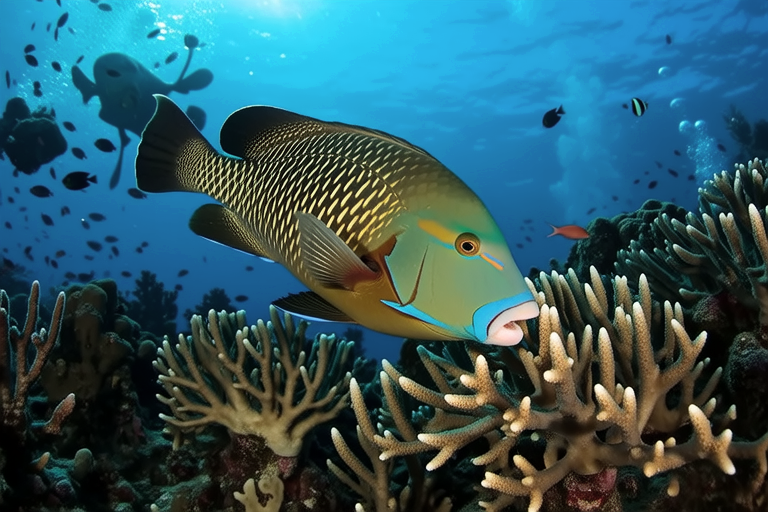
Parrot fish are renowned for their grazing activities, which significantly impact coral reef ecosystems. These colorful, herbivorous fish feed primarily on algae that grow on coral surfaces. By consuming these algae, parrot fish prevent their overgrowth, which could otherwise smother corals and hinder their growth. Studies have shown that without the presence of parrot fish, algae can outcompete corals for space and resources, leading to a decline in coral health and diversity.
The feeding behavior of parrot fish is facilitated by their strong beaks, which they use to scrape algae off the coral surface. This process not only clears the way for new coral growth but also contributes to the recycling of nutrients within the reef ecosystem. Research conducted by the University of California, Davis, has demonstrated that parrot fish can consume up to 10 tons of algae per acre of reef annually, highlighting their significant role in reef maintenance.
Structural Complexity and Habitat Creation
In addition to their algae-grazing activities, parrot fish play a critical role in shaping the physical structure of coral reefs. As they feed, they inadvertently break down coral skeletons into fine sand, contributing to the formation of beaches and islands. This activity increases the structural complexity of the reef, creating spaces for other marine organisms to thrive. The intricate architecture that results from this process provides shelter, breeding grounds, and feeding areas for numerous species, thereby enhancing the biodiversity of the reef.
Several species of parrot fish contribute uniquely to this process. For instance, the queen parrotfish (Scarus vetula) is particularly effective at breaking down coral structures due to its robust beak. Another notable species is the stoplight parrotfish (Sparisoma viride), known for its ability to thrive in various environmental conditions, making it a key player in maintaining reef health across different regions.
Indirect Protection Offered by Parrot Fish
The maintenance of healthy reef environments by parrot fish indirectly protects marine ecosystems. Healthy coral reefs act as natural barriers, absorbing wave energy and protecting coastlines from erosion and storm damage. They also provide essential spawning and nursery grounds for many commercial fish species, supporting sustainable fishing practices. By keeping algae in check and promoting coral growth, parrot fish help maintain the integrity of these vital habitats.
Furthermore, the presence of parrot fish can influence the behavior of other marine organisms. Their grazing activities can deter invasive species of algae, which might otherwise dominate the reef environment. This deterrent effect helps preserve the native flora and fauna, ensuring a balanced and resilient ecosystem.
Threats to Parrot Fish Populations and Implications
Despite their crucial role in maintaining coral reef health, parrot fish populations face numerous threats. Overfishing, habitat destruction, and climate change pose significant challenges to their survival. In many regions, parrot fish are targeted for their meat and vibrant colors, leading to declines in their numbers. A study published in the journal Marine Biology estimated that overfishing has reduced parrot fish populations by up to 90% in some areas.
The depletion of parrot fish populations can have severe consequences for coral reefs. Without adequate control of algal growth, corals may struggle to compete for space and light, leading to a decline in reef health and biodiversity. This situation can create a feedback loop, further exacerbating the effects of climate change and other stressors on coral reefs. Consequently, the loss of parrot fish could result in the degradation of entire ecosystems, affecting not only marine life but also human communities that rely on these resources.
Conclusion
Parrot fish are indispensable to the health and resilience of coral reefs, playing a multifaceted role in maintaining ecological balance. Through their grazing activities, they prevent algal overgrowth, enhance structural complexity, and indirectly protect marine ecosystems. Specific species, such as the queen parrotfish and stoplight parrotfish, contribute uniquely to these processes. However, the threats posed by overfishing and habitat destruction highlight the urgent need for conservation efforts to ensure the continued existence of these vital fish.
The preservation of parrot fish populations is crucial for the sustainability of coral reefs and marine biodiversity. By addressing the challenges faced by these fish, we can help maintain the vibrant ecosystems that support countless species and provide invaluable services to human societies. Understanding and appreciating the role of parrot fish in reef ecology is a vital step towards safeguarding the future of our oceans.
