Bet You Didn’t Know These Fun Facts About Betta Fish
Welcome to the captivating world of betta fish! Known for their vibrant colors and flowing fins, betta fish are one of the most popular aquarium pets. But did you know that there’s much more to these beautiful creatures than meets the eye? In this article, we’ll dive into some surprising, lesser-known facts about betta fish, focusing on their behavior, habitat, physical traits, and care requirements. Get ready to be amazed by the fascinating world of betta fish!
Behavioral Traits
Betta fish, also known as Siamese fighting fish, are famous for their aggressive behavior, especially towards other male bettas. However, they are not just fighters; they are also curious, playful, and intelligent creatures. Did you know that betta fish can recognize their owners and respond to them? According to a study published in the journal PLOS ONE, bettas can learn to associate their owner’s presence with feeding times, even swimming to the surface or the front of the tank when they hear footsteps.
Moreover, betta fish have a unique way of communicating through color changes. When they feel threatened or excited, their colors may intensify, while duller colors can indicate illness or stress. Observing your betta fish’s color changes can provide valuable insights into its emotional state and overall well-being.
Habitat and Origin
Betta fish originate from the rice paddies, slow-moving streams, and shallow pools of Thailand, Cambodia, Vietnam, and Malaysia. They thrive in warm, slightly acidic water with plenty of plants and hiding spots. Interestingly, bettas are labyrinth fish, meaning they have a special organ called the labyrinth that allows them to breathe air directly from the surface. This adaptation is crucial in their natural habitat, where oxygen levels in the water can be low due to stagnant conditions.
In the wild, betta fish are often found near the surface, where they can easily access the air they need. This behavior is why it’s essential to provide a well-oxygenated environment in captivity, either through aeration or regular water changes. Additionally, bettas are territorial and prefer having their own space, so overcrowding should be avoided to prevent stress and aggression.
Physical Traits
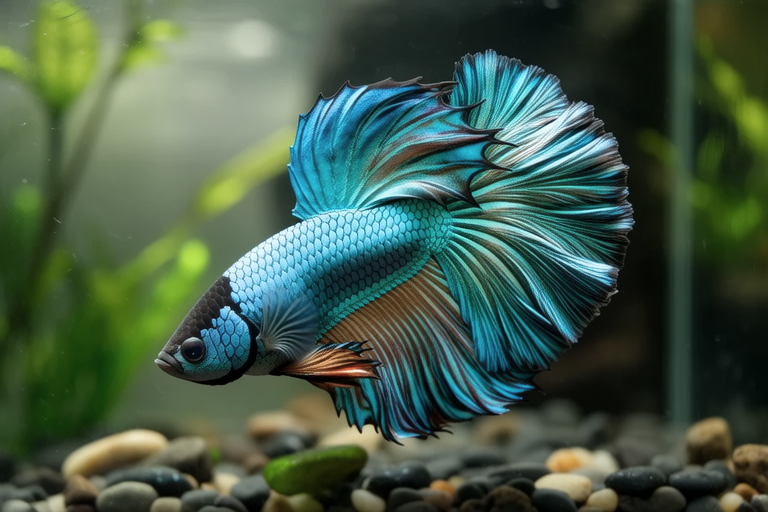
Betta fish are renowned for their stunning appearance, but there’s more to their physical makeup than just looks. Male bettas, in particular, are known for their long, flowing fins, which can be up to two inches longer than their body length. Females, on the other hand, have shorter, more compact fins. Both males and females come in a wide range of colors and patterns, from solid hues like red, blue, and black to intricate designs such as marble, butterfly, and crowntail.
One lesser-known fact about betta fish is that they can change the shape of their bodies to swim faster or slower. By compressing or expanding their bodies, bettas can adjust their speed and agility, making them excellent swimmers in tight spaces. This ability is particularly useful in their natural habitat, where they must navigate through dense vegetation and avoid predators.
Care Requirements
Proper care is essential for ensuring the health and happiness of your betta fish. While bettas are relatively easy to care for, they do require specific environmental conditions to thrive. The ideal tank size for a single betta fish is at least five gallons, with a minimum depth of eight inches. A larger tank will provide more space for swimming and help maintain better water quality.
Water temperature should be maintained between 76°F and 82°F (24°C to 28°C), and pH levels should be kept between 6.5 and 7.5. Regular water changes are crucial for removing waste and maintaining clean, healthy water. Aim for a 25% water change every week, using a gravel vacuum to remove debris from the substrate.
Feeding betta fish is another important aspect of care. Bettas are carnivorous and require a balanced diet of high-quality betta pellets, flakes, and frozen or live foods such as brine shrimp, bloodworms, and daphnia. Avoid overfeeding, as excess food can lead to poor water quality and health issues. Feed your betta fish once or twice a day, offering only what they can consume within two minutes.
Tips for Pet Owners and Potential Owners
If you’re thinking about adding a betta fish to your family, here are some tips to ensure a happy, healthy pet:
- Provide a spacious tank: A larger tank will give your betta fish more room to swim and explore, reducing stress and promoting overall well-being.
- Use a filter: While bettas don’t require strong filtration, a gentle filter can help keep the water clean and oxygenated. Make sure the flow isn’t too strong, as bettas prefer calm waters.
- Add hiding spots: Provide plenty of plants, caves, or decorations for your betta fish to hide and feel secure. This is especially important if you have multiple bettas or other fish in the same tank.
- Avoid overcrowding: Betta fish are territorial and can become stressed or aggressive when housed with too many tankmates. If you want to add other fish, choose peaceful species that won’t compete for resources or territory.
- Watch for signs of illness: Regularly observe your betta fish for any unusual behavior, such as lethargy, loss of appetite, or abnormal fin or body coloration. Early detection of health issues can improve the chances of successful treatment.
Conclusion
Betta fish are truly remarkable creatures with fascinating behaviors, adaptations, and physical traits. From their ability to recognize their owners to their impressive swimming skills, bettas offer endless opportunities for observation and enjoyment. By understanding their needs and providing proper care, you can ensure a long, healthy, and happy life for your betta fish. Whether you’re a seasoned aquarist or a first-time fish owner, bettas are sure to bring joy and wonder to your home. So, why not take the plunge and welcome a betta fish into your aquatic family today?
