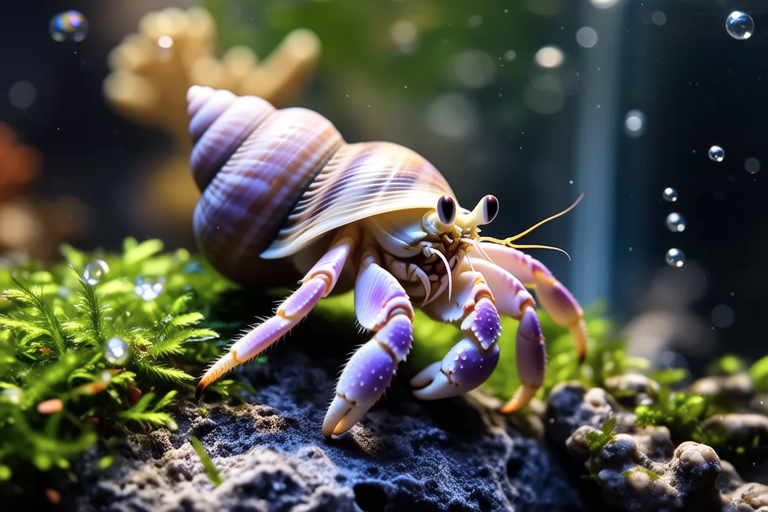
Hermit Crab Care 101: Essential Tips for Happy, Healthy Shells
Welcome to Hermit Crab Care 101, your comprehensive guide to ensuring the happiness and health of these fascinating creatures. Whether you’re a first-time owner or have been caring for hermit crabs for years, this article will provide you with essential tips and tricks to keep your hermit crabs thriving. From setting up their perfect habitat to understanding their dietary needs and common health issues, we’ve got you covered.
Proper Habitat Setup
The first step in hermit crab care is creating a suitable habitat that mimics their natural environment. Hermit crabs are native to tropical and subtropical regions, so it’s important to recreate these conditions as closely as possible.
- Tank Size: A 10-gallon tank is suitable for a small group of hermit crabs, but larger tanks are recommended for more crabs. Ensure there is enough space for each crab to have its own territory.
- Hiding Spots: Provide various hiding spots such as cork bark, driftwood, and coconut huts to give your crabs privacy and security.
- Substrate: Use a deep layer of crushed coral, play sand, or a mixture of both. The substrate should be moist but not wet, allowing your crabs to burrow comfortably.
- Water Sources: Include two water dishes, one with freshwater and another with saltwater. Change the water daily to prevent bacterial growth.
- Temperature and Humidity: Maintain a temperature between 75-85°F (24-29°C) and humidity levels at 70-80%. Use a hygrometer to monitor humidity and a thermometer to check the temperature.
Suitable Substrate Options
The substrate you choose plays a crucial role in the overall health and comfort of your hermit crabs. It provides a place for them to burrow, hide, and molt.
- Crushed Coral: This substrate is ideal because it helps maintain the correct pH level in the water dishes and provides calcium for the crabs’ exoskeletons.
- Play Sand: Fine-grained play sand is another popular choice. It’s softer than crushed coral and easier for younger crabs to dig into.
- Mixture: Combining crushed coral and play sand can offer the best of both worlds. The coral helps with pH balance while the sand provides a softer surface for burrowing.
Ensure the substrate is kept moist by misting it regularly. However, avoid making it too wet, as this can lead to mold growth and respiratory problems for your hermit crabs.
Ideal Temperature and Humidity Levels
Hermit crabs are highly sensitive to changes in temperature and humidity. Maintaining the right levels is crucial for their health and longevity.
- Temperature: Use a heat mat or under-tank heater to maintain a consistent temperature. Place the heat source on one side of the tank to create a temperature gradient, allowing your crabs to move to cooler areas if they need to.
- Humidity: Achieve optimal humidity levels by misting the tank daily and ensuring proper ventilation. You can also use a humidifier or fogger to maintain the desired moisture levels.
Regularly check the temperature and humidity levels to ensure they remain within the recommended range. Adjust the heating and misting as necessary to keep your crabs comfortable.
Dietary Needs
Hermit crabs are omnivores, meaning they eat both plant and animal matter. Providing a varied diet is key to keeping your crabs healthy and active.
- Fruits and Vegetables: Offer fresh fruits like bananas, apples, and berries, as well as vegetables such as carrots and leafy greens. Cut the food into small pieces and place it in shallow dishes.
- Protein Sources: Include protein-rich foods like fish flakes, shrimp, and boiled eggs. These items should be offered sparingly to avoid overfeeding.
- Calcium Supplements: Crushed eggshells or cuttlebone can provide additional calcium for strong exoskeletons. Place these supplements in a shallow dish for easy access.
- Water: Ensure clean, fresh water is available at all times. Replace the water in the dishes daily to prevent contamination.
Hermit crabs are scavengers and will eat almost anything, but it’s important to provide a balanced diet to promote good health. Remove uneaten food after a few hours to prevent spoilage.
Safe Shell Changes
One of the most exciting aspects of hermit crab ownership is watching them change shells. However, it’s important to ensure the process is safe and stress-free for your crabs.
- Providing Variety: Offer a wide selection of shells in different sizes, shapes, and colors. Ensure there are enough shells for each crab to have a choice.
- Observation: Watch for signs that your crabs are ready to change shells, such as frequent shell inspections or moving around more than usual.
- Patience: Some crabs may take days or even weeks to find a new shell. Be patient and allow them to make the decision on their own.
Never force a hermit crab to change shells. If a crab has been living in the same shell for a long time, it may be attached to it and could become stressed if forced to move.
Common Health Issues to Watch For
Despite your best efforts, hermit crabs can still encounter health issues. Being aware of the common problems and knowing how to address them can help you provide timely care.
- Respiratory Issues: Symptoms include labored breathing, lethargy, and loss of appetite. These issues often arise from poor air circulation or high humidity levels. Improve ventilation and reduce humidity to alleviate symptoms.
- Shell Rot: Dark patches on the shell indicate shell rot, which can be caused by prolonged exposure to wet conditions. Clean the affected area with a soft brush and dry the shell thoroughly. Replace the shell if necessary.
- Limp Limbs: Limp or weak limbs can result from nutritional deficiencies or injury. Ensure your crabs have access to a balanced diet and consult a veterinarian if the problem persists.
If you notice any unusual behavior or physical changes in your hermit crabs, it’s important to act quickly. Consult a veterinarian who specializes in exotic pets for professional advice and treatment.
Environmental Enrichment and Regular Maintenance
To keep your hermit crabs happy and engaged, it’s important to provide environmental enrichment and perform regular maintenance.
- Rotating Toys: Introduce new toys and accessories periodically to stimulate your crabs’ curiosity and encourage exploration.
- Cleaning: Regularly clean the tank and replace the substrate every few months to prevent the buildup of bacteria and mold.
- Check Water Dishes: Inspect the water dishes daily for cleanliness and refill them with fresh water. Replace the water immediately if it becomes cloudy or contaminated.
By providing a stimulating environment and maintaining a clean habitat, you can ensure your hermit crabs lead healthy and fulfilling lives.
Conclusion
Caring for hermit crabs requires attention to detail and a commitment to providing a suitable environment. By following the tips outlined in this guide, you can ensure your hermit crabs live long, healthy, and happy lives. Remember to stay informed about the latest care techniques and always prioritize the well-being of your crabs. With proper care and attention, you’ll enjoy many years of companionship with these fascinating creatures.
