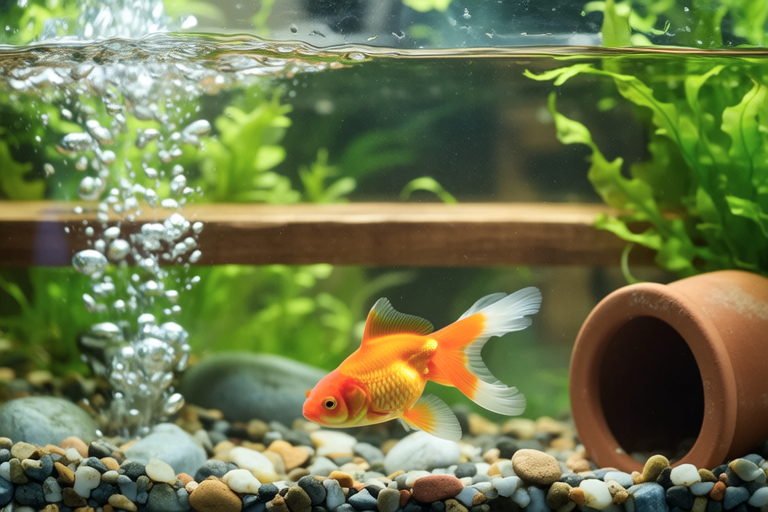
Creative Ways to Enrich Your Goldfish’s Environment at Home
Goldfish are one of the most popular pets worldwide, cherished for their vibrant colors and graceful swimming. However, providing an enriching environment for your goldfish is crucial for their health and happiness. This article explores creative ways to enhance your goldfish’s habitat through proper tank setup, beneficial plant choices, interactive decorations, and water quality maintenance.
Proper Tank Setup
The foundation of any goldfish’s environment begins with the tank itself. A spacious tank ensures your fish have ample room to swim and grow. For single goldfish, a minimum of 20 gallons is recommended; however, larger tanks provide better living conditions and reduce stress. The shape of the tank also matters; opt for a rectangular or bow-front tank over circular ones as they offer more swimming space.
Substrate selection plays a vital role in creating a naturalistic setting while facilitating filtration. Gravel substrates are popular but can trap uneaten food and waste, leading to poor water quality if not regularly cleaned. Alternatively, consider using sand, which allows for easier siphoning during maintenance. Ensure the substrate is fine enough so it doesn’t harm your goldfish’s delicate gills.
Water temperature should be maintained between 68°F and 74°F (20°C to 23°C) using an aquarium heater. Regularly monitor temperature fluctuations with a reliable thermometer. Avoid placing the tank near windows or drafts to prevent temperature swings.
Beneficial Plant Choices
Incorporating live plants into your goldfish tank offers numerous benefits. Not only do they beautify the environment, but they also provide hiding spots, reduce stress, and improve water quality by absorbing nitrates and carbon dioxide. Select hardy aquatic plants suitable for goldfish tanks:
- Azolla filiculoides: Floating fern that adds oxygen to the water and provides shade.
- Egeria densa: Also known as Brazilian waterweed, this plant thrives in goldfish tanks and helps maintain clean water.
- Ceratophyllum demersum: Hornwort is another excellent choice, as it grows quickly and serves as a natural filter.
When introducing new plants, quarantine them first to avoid transferring pests or diseases into your main tank. Once established, trim plants regularly to encourage healthy growth and maintain optimal tank conditions.
Interactive Decorations
To keep your goldfish mentally stimulated, incorporate interactive decorations such as caves, tunnels, and floating objects. These items not only add visual interest but also provide enrichment opportunities. Consider the following ideas:
- Mirrored panels: Position these strategically around the tank to create optical illusions, encouraging exploration.
- Floating logs or branches: Securely attach driftwood or cork bark pieces for climbing and resting.
- Decorative caves: Offer hiding places where your goldfish can retreat when feeling stressed.
Rotate decorations periodically to prevent boredom and ensure all areas of the tank remain accessible. Additionally, avoid overcrowding the tank with too many decorations, as this can limit swimming space.
Water Quality Maintenance
Consistent water quality directly impacts your goldfish’s health. Regularly test parameters like pH, ammonia, nitrite, and nitrate levels using reliable test kits. Maintain pH within the range of 6.5 to 8.0, depending on the specific needs of your goldfish species.
Install a high-quality filter capable of handling at least four times the volume of your tank per hour. Filters help remove debris, toxins, and excess nutrients, promoting clear water and stable ecosystems. Perform weekly partial water changes—about 10% to 20%—to dilute harmful substances and replenish essential minerals.
Use appropriate dechlorinators before adding tap water to neutralize chlorine and chloramines. Avoid overfeeding, as uneaten food decomposes rapidly, contributing to poor water quality. Feed your goldfish only what they can consume within two minutes, twice daily.
Creating Stimulating Environments
To promote goldfish health and well-being, focus on creating stimulating environments that encourage natural behaviors. Incorporate gentle background music or soft lighting to mimic natural daylight cycles. Introduce novelty items occasionally, such as sinking treats or floating toys, to engage their senses.
Consider implementing a feeding routine that incorporates puzzle feeders or sinking pellets designed for bottom-feeding species. This approach promotes active foraging, mimicking natural hunting patterns. Additionally, observe your goldfish’s interactions with each other and their surroundings, adjusting the environment accordingly to support social dynamics and individual preferences.
Conclusion
By thoughtfully designing your goldfish’s home with proper tank setup, beneficial plant choices, interactive decorations, and diligent water quality maintenance, you can create a thriving environment that enhances their health and happiness. Remember, a well-maintained tank not only benefits your fish but also brings joy and satisfaction to you as a responsible pet owner.
