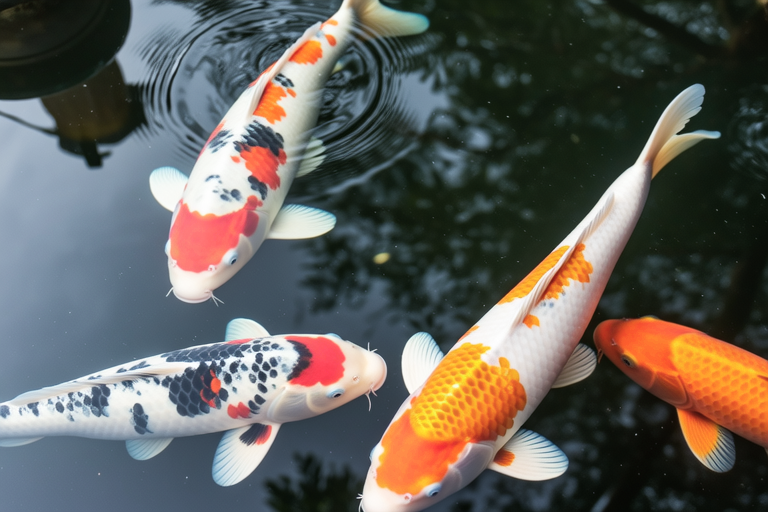
The Transformation of Koi: From Natural Pond Habitats to Ornamental Pools
Koi, scientifically known as Cyprinus carpio, have a rich history that dates back over a thousand years. Originally native to East Asia, these carp were first domesticated in Japan during the Heian period (794–1185 CE). Initially, they were kept for food, but over time, Japanese farmers began to notice variations in coloration among the fish. This led to selective breeding, creating the colorful and diverse koi we know today.
Rich History and Cultural Significance
The history of koi is deeply intertwined with Japanese culture. The word “koi” itself means “carp” in Japanese, and these fish have long been revered for their strength and perseverance. According to legend, a carp swam upstream against a strong current, transforming into a dragon when it reached the top. This story symbolizes the journey of life and the rewards of persistence.
In Japan, koi are often associated with good fortune and prosperity. They are frequently depicted in art, literature, and architecture. For example, the famous Niigata Prefecture in Japan is home to many koi farms, where enthusiasts can admire the vibrant colors and graceful movements of these fish. The annual Niigata Koi Show showcases the best examples of this aquatic art form.
The Art of Koi Keeping
Koi keeping, also known as koi farming or koi breeding, is a delicate and rewarding practice that requires patience, knowledge, and attention to detail. Proper care involves maintaining clean water, providing adequate space, and offering a balanced diet. Koi ponds must be designed to support the needs of the fish, including filtration systems, oxygenation, and UV sterilization units.
The art of koi keeping extends beyond mere maintenance; it encompasses an appreciation for the aesthetic qualities of the fish. Koi enthusiasts take pride in selecting and raising fish with desirable traits, such as vibrant colors, symmetrical patterns, and graceful swimming motions. Over time, these fish become beloved companions, bringing joy and tranquility to their caretakers.
Varieties of Koi Breeds
Koi come in a wide range of colors, patterns, and sizes, each with its own unique characteristics. Some popular varieties include:
- Shibunkon: These koi feature a white body with red and black markings, resembling a peony flower. Shibunkon are prized for their striking appearance and elegant swimming style.
- Sanke: Sanke koi are characterized by their white base color with red and black markings. They are highly sought after for their beautiful symmetry and vibrant hues.
- Doitsu: Doitsu koi have a metallic sheen, giving them a sleek and modern appearance. Their scales are often smaller than those of other koi varieties, resulting in a smooth, almost mirror-like finish.
Each breed has its own distinct features and care requirements, making koi keeping a fascinating and ever-evolving hobby.
Symbols of Koi in Different Cultures
Koi are not only admired in Japan but also hold significant meaning in other cultures. In China, koi are symbols of good luck and success, often featured in traditional paintings and decorations. The Chinese character for koi, 鯉, is pronounced “li” and is associated with the concept of “flowing water,” representing the continuous flow of life.
In Western cultures, koi are increasingly recognized for their beauty and symbolism. Many homeowners incorporate koi ponds into their landscaping, creating serene environments that promote relaxation and reflection. The presence of koi in these settings evokes a sense of peace and tranquility, making them popular additions to gardens and outdoor spaces.
The Science Behind Vibrant Colors
The vibrant colors of koi result from a combination of genetics and environmental factors. Koi pigmentation is influenced by genes that control the production and distribution of melanin, a pigment responsible for skin, hair, and eye color in humans. In koi, melanin determines the intensity and pattern of black coloring.
Other pigments, such as carotenoids, contribute to the red and orange hues seen in many koi varieties. Carotenoids are derived from the fish’s diet and are stored in specialized cells called chromatophores. These cells expand or contract depending on the fish’s mood, health, and surroundings, allowing koi to display a wide range of colors and patterns.
Environmental factors, such as water quality and temperature, can also affect koi coloration. Maintaining optimal conditions is essential for preserving the health and vibrancy of these fish. Regular water changes, proper filtration, and appropriate feeding schedules help ensure that koi remain healthy and beautiful throughout their lives.
Tips for Setting Up an Ideal Koi Pond or Pool
Creating an ideal koi pond or pool involves careful planning and attention to detail. Consider the following tips when designing your aquatic oasis:
- Select a suitable location: Choose a site that receives partial sunlight and is sheltered from strong winds. Avoid areas prone to flooding or standing water.
- Design the pond layout: Plan for adequate depth, circulation, and filtration. Incorporate hiding spots, such as rocks or plants, to provide shelter and reduce stress.
- Install proper equipment: Equip your pond with a reliable pump, filter, and heater. Consider adding a UV sterilizer to prevent algae growth and improve water clarity.
- Choose the right plants: Select aquatic plants that enhance the pond’s aesthetics while providing shade and oxygen. Popular choices include water lilies, lotus flowers, and submerged plants like hornwort.
- Feed your koi properly: Provide a balanced diet consisting of high-quality pellets, flakes, and occasional treats like freeze-dried or live foods. Avoid overfeeding, as excess food can pollute the water.
By following these guidelines, you can create a thriving environment for your koi, ensuring their health, happiness, and longevity.
The Serene Presence of Koi
The presence of koi brings a sense of calm and serenity to any environment. Watching these graceful creatures glide through the water can be a meditative experience, helping to reduce stress and promote relaxation. Many people find solace in observing the gentle movements of koi, finding comfort in their constant yet peaceful presence.
For koi keepers, the joy of caring for these fish goes beyond simple enjoyment. It fosters a deep connection between human and animal, creating a bond built on trust, respect, and mutual admiration. As caretakers tend to their koi, they learn valuable lessons about patience, responsibility, and the importance of nurturing life.
Conclusion
The transformation of koi from their natural pond habitats to ornamental pools represents a remarkable journey of evolution, adaptation, and cultural significance. From humble beginnings as food fish to cherished symbols of good fortune and perseverance, koi have captured the hearts and imaginations of people around the world.
The art of koi keeping is both a science and an art form, requiring expertise in breeding, maintenance, and design. By understanding the unique characteristics of each breed and the factors that influence their health and beauty, enthusiasts can create thriving environments that showcase the full potential of these magnificent fish.
Whether you’re a seasoned koi keeper or a novice enthusiast, the joy of caring for koi is undeniable. These graceful creatures bring a sense of peace and tranquility to any environment, making them cherished companions and sources of inspiration. As you embark on your koi-keeping journey, remember to approach this rewarding hobby with patience, dedication, and a passion for the natural world.
