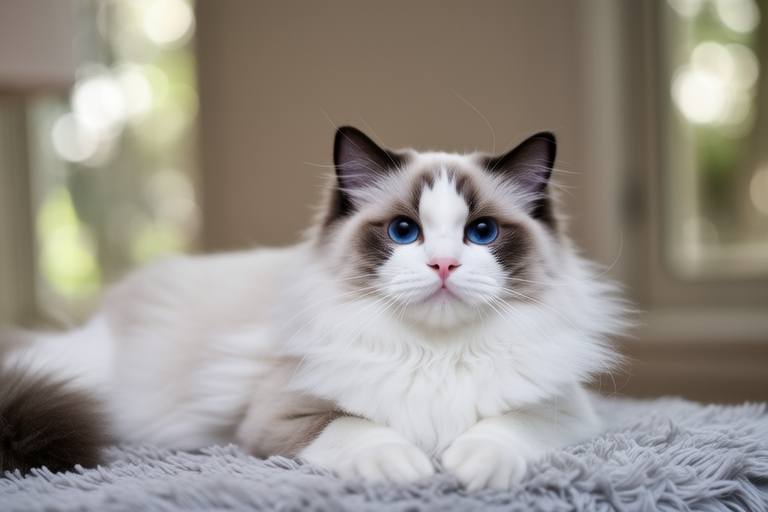
Ragdoll Cats: Nature’s Softest and Most Affectionate Companions
When you think of a perfect feline companion, one that combines the charm of a dog with the grace of a cat, the Ragdoll comes to mind. These gentle giants are known for their silky coats, affectionate nature, and laid-back personalities, making them ideal pets for families and cat enthusiasts alike. In this article, we will explore the rich history, unique physical characteristics, and loving temperament of Ragdoll cats, as well as provide insights into their care requirements. By the end, you’ll understand why these soft, cuddly creatures have captured the hearts of so many.
The History of Ragdoll Cats
The story of the Ragdoll begins in California during the 1960s. Ann Baker, a breeder from Riverside, developed the breed by crossing her own domestic longhair cat with other breeds, including Persian, Burmese, and Birman. The resulting kittens were large, semi-longhaired cats with striking blue eyes and a docile demeanor. However, it was the cats’ tendency to go limp when picked up that truly set them apart. This trait, which gave them their name, is believed to be due to a genetic mutation rather than a deliberate breeding choice.
Baker trademarked the name “Ragdoll” and established her own registry, the International Ragdoll Cat Association (IRCA). She also introduced a controversial practice of selling kittens with spay/neuter contracts, which prevented owners from breeding their cats. This led to a split within the Ragdoll community, with some breeders choosing to leave the IRCA and form their own associations. Today, the Ragdoll is recognized by most major cat registries, including The International Cat Association (TICA) and the Cat Fanciers’ Association (CFA).
Physical Characteristics
Ragdolls are large, muscular cats with a semi-longhaired coat that feels like a cloud when touched. They come in various colors and patterns, including seal, chocolate, blue, and lilac points, as well as solid and lynx point variations. Their blue eyes are their most striking feature, giving them a serene and gentle expression. Ragdolls are slow to mature, often taking three to four years to reach their full size, which can be quite impressive – males can weigh between 12 and 20 pounds, while females typically range from 8 to 15 pounds.
One of the most notable features of Ragdolls is their soft, plush fur. Unlike some other long-haired breeds, their coats require minimal grooming. Weekly brushing is usually sufficient to prevent matting and keep their luxurious locks looking their best. Their thick undercoat provides insulation, making them comfortable in cooler temperatures, but they may need additional warmth in very cold environments.
Affectionate Temperament
Perhaps the most endearing quality of Ragdolls is their affectionate nature. They are often described as “dog-like” because they enjoy following their owners around the house, greeting them at the door, and even learning to play fetch. Their docile demeanor makes them excellent companions for children and other pets, as they rarely display aggression or territorial behavior. However, this doesn’t mean they are pushovers – Ragdolls are intelligent and curious, enjoying interactive toys and puzzle feeders that stimulate their minds.
Another hallmark of the Ragdoll’s personality is their tendency to become relaxed and floppy when held or petted. This trait, known as “ragdolling,” is particularly pronounced in young cats and can be a delightful surprise for new owners. While older Ragdolls may not exhibit this behavior as strongly, they still tend to be very affectionate and enjoy being close to their human companions. Their calm and easygoing nature makes them a great choice for households with busy schedules, as they are content to relax on a lap or nearby while their owners are occupied.
Care Requirements
Despite their reputation for being low-maintenance, Ragdolls still require proper care to thrive. A balanced diet is essential for maintaining their health and energy levels. High-quality commercial cat food formulated for their age, weight, and activity level is recommended. Fresh water should always be available, and treats should be given sparingly to avoid obesity. Regular veterinary check-ups, vaccinations, and parasite prevention are also important for keeping your Ragdoll healthy.
Grooming is another aspect of Ragdoll care that requires attention. While their coats are relatively easy to maintain, regular brushing helps prevent matting and removes loose hair. Bathing is generally unnecessary unless the cat gets particularly dirty or develops a skin condition. Dental hygiene is also crucial, as tartar buildup can lead to periodontal disease. Brushing your cat’s teeth with a pet-friendly toothpaste or providing dental chews can help maintain good oral health.
Mental stimulation is just as important as physical care for Ragdolls. Interactive toys, scratching posts, and climbing structures can help keep them entertained and engaged. Puzzle feeders that dispense treats can also be a fun way to encourage mental exercise. Providing a safe outdoor space or supervising playtime indoors ensures that your cat has opportunities for exploration and exercise. Socialization is key, especially for Ragdolls who will be living with children or other pets. Early exposure to different environments and experiences helps them develop confidence and adaptability.
Why Ragdolls Make Excellent Companions
Ragdolls are ideal companions for families and individuals seeking a loving, low-maintenance pet. Their affectionate nature and gentle disposition make them perfect for households with children, elderly people, or those with mobility issues. They are also adaptable to various living situations, from small apartments to spacious homes, as long as they receive adequate attention and enrichment.
For cat enthusiasts, Ragdolls offer a unique combination of beauty and personality. Their striking appearance, combined with their playful and sociable nature, makes them a joy to observe and interact with. Many owners find that their Ragdolls become true members of the family, forming strong bonds with their human companions. Their ability to learn tricks and follow simple commands adds to the fun and creates a deeper connection between owner and pet.
Adopting a Ragdoll can also bring comfort and companionship to those dealing with loneliness or stress. Their calming presence and unconditional love can provide emotional support, helping to reduce anxiety and improve overall well-being. Whether you’re a first-time pet owner or a seasoned cat lover, a Ragdoll could be the perfect addition to your home.
Conclusion
Ragdoll cats are truly remarkable creatures, combining the softness of a cloud with the warmth of a friend. Their rich history, unique physical characteristics, and affectionate temperament make them stand out among other cat breeds. With proper care and attention, Ragdolls can provide years of companionship, entertainment, and love. If you’re looking for a loyal, gentle, and loving companion, consider welcoming a Ragdoll into your life. You won’t regret it!
